Analysis: Iran war becomes a contest of who can take the most pain
Key Takeaways
- Conflict hinges on which side can endure pain longest
- A surge in oil prices points to Iran's potentially most effective weapon
- The war has complex global effects beyond regional fighting
War's central dynamic
The war with Iran, for all its complexity and global effects, boils down to a single question: Who can take the pain the longest?
“Analysis: Iran war becomes a contest of who can take the most pain Analysis: Iran war becomes a contest of who can take the most pain DUBAI, United Arab Emirates (AP) — The war with Iran, for all its complexity and global effects, boils down to a single question: Who can take the pain the longest”
A surge in oil prices points to what may be Iran’s most effective weapon and the United States’ biggest vulnerability in continuing the campaign: damaging the world economy.
U.S. President Donald Trump appears aware of the danger, and as oil jumped to nearly $120 a barrel on Monday he suggested the war would be “short-term,” which helped reassure markets as the price eased to around $90 even as he vowed to keep up the war and the punishment on Iran.
On the other side, Iran has to endure a near-constant stream of American and Israeli airstrikes it can’t defend against, yet it remains in control and continues to launch missiles and drones across the region.
Energy and shipping disruption
Iran has long warned that if attacked it would retaliate across the Middle East by targeting oil infrastructure that powers Gulf Arab wealth, and it has backed up that threat with barrages of missiles and drones.
The disruption has rattled energy markets and logistics: Qatar was forced to halt its production of natural gas, Bahrain declared its oil operations couldn’t meet their contractual obligations, and producers like Saudi Aramco are affected.
Shipping broadly has stopped in the strategic Strait of Hormuz, through which 20% of all oil and natural gas traded passes and up to 30% of world fertilizer exports, after Iranian attacks on several ships prompted companies to stop sending their vessels through the strait.
Civilian and regional impact
Civilians and daily life across the region are under strain as a result of the fighting and bombardment.
“Analysis: Iran war becomes a contest of who can take the most pain Analysis: Iran war becomes a contest of who can take the most pain DUBAI, United Arab Emirates (AP) — The war with Iran, for all its complexity and global effects, boils down to a single question: Who can take the pain the longest”
The Iranian public, which rose up in nationwide protests in January, has stayed home to try to survive heavy bombardment while security forces have been on the street every day to ensure no anti-government demonstrations form.
Gulf Arab states face seemingly unending and occasionally fatal Iranian fire that targets oil fields, cities and critical water works, and Israel — while saying it inflicted heavy damage on Iran’s missile program — continues to be targeted by sophisticated Iranian missiles that trigger frequent air-raid sirens, close schools and workplaces, and create a tense atmosphere across the region.
Leadership and nuclear risks
Leadership shifts and nuclear risks complicate any prospect of ending the war: an Israeli airstrike killed 86-year-old Supreme Leader Ayatollah Ali Khamenei at the start of the war and clerics named his 56-year-old son Mojtaba to the position, elevating him to the rank of an ayatollah.
Iranian Foreign Ministry official Kazem Gharibabadi said Tehran holds the upper hand and rejected contacts about a ceasefire, and President Trump has been vague and contradictory about his aims, sometimes sounding like he pushes for overthrowing Iran’s theocracy and other times saying he would stop short.
Iran still has a stockpile of highly enriched uranium, which it had been enriching up to 60% purity, and the U.S. bombed three Iranian nuclear sites in June during the 12-day war between Israel and Iran, likely burying much of the stockpile in the debris; those sites remain out of the reach of international inspectors.
Analysts warn Mojtaba Khamenei could issue a religious ruling that reverses earlier statements and orders the material used to make a weapon, a scenario both America and Israel do not want to see.
More on Iran
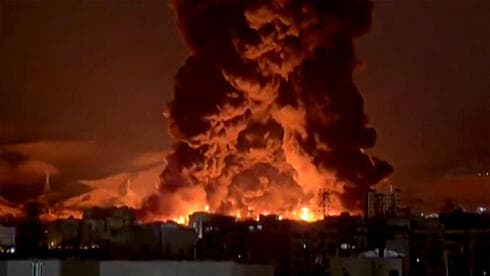
US obliterates military targets on Iran’s Kharg Island, Trump warns
13 sources compared
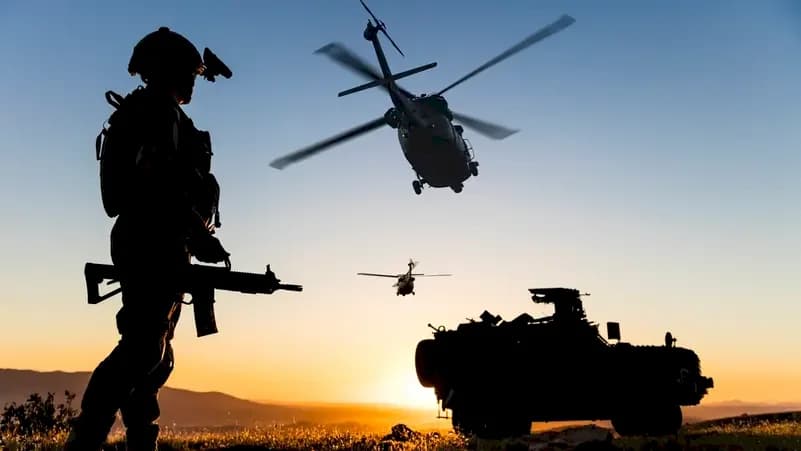
US Deploys About 2,500 Marines to Middle East After Iran Attacks Gulf Shipping
33 sources compared
FBI Warns of Iranian Drone Plot Based on Unverified Tip; California Says No Credible Threat
10 sources compared

White House Demands ABC Retract Report Claiming Iran Sought To Launch Drone Attacks On California
11 sources compared