Britain25 January, 20262 min read
Andy Burnham Asks Labour NEC To Approve His Candidacy In Gorton And Denton By-Election
Andy Burnham applied to Labour's NEC to enter the Gorton and Denton candidate selection Labour NEC may block his candidacy citing leadership-challenge risk and costly mayoral by-election

18 outlets told this the same way.
Outlets did split on UK Police Charge Teddy Young With Spying For Foreign Power, Royal Navy Member →
Burnham seeks NEC approval
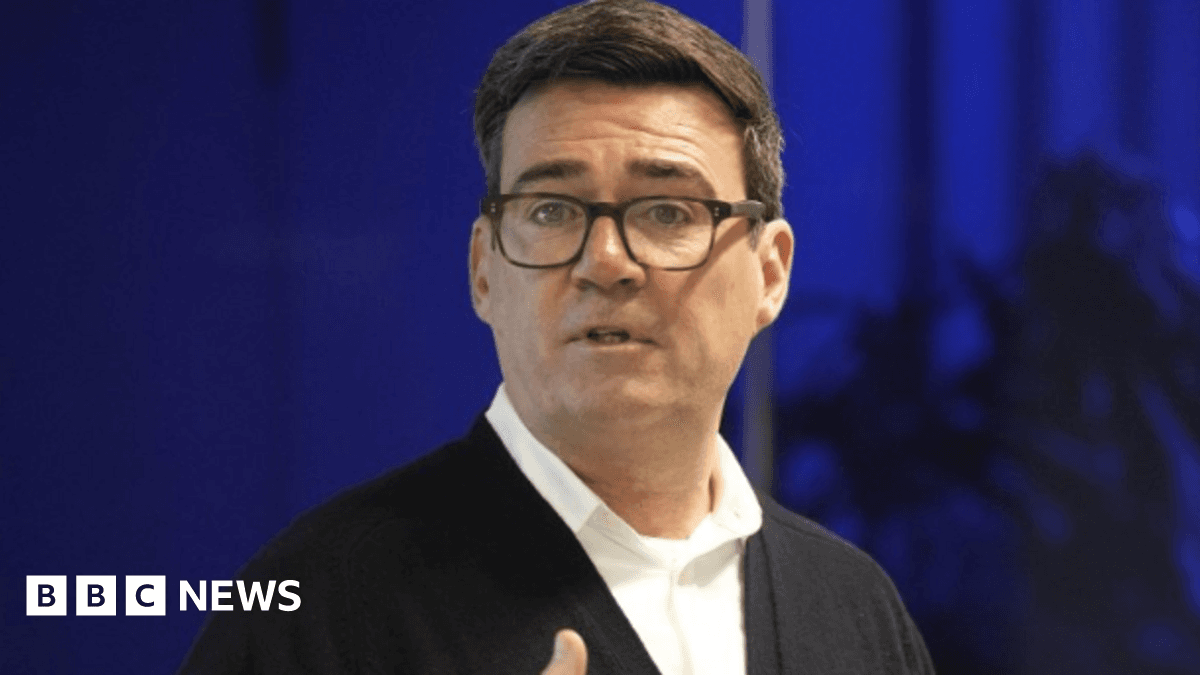
Andy Burnham has formally applied to Labour’s National Executive Committee (NEC) seeking permission to stand as the party’s candidate in the Gorton and Denton by-election after MP Andrew Gwynne’s resignation. The NEC’s decision is required because Burnham is a serving metro mayor, and the committee is expected to rule imminently on whether a serving regional mayor may enter a parliamentary selection contest. Burnham framed his application as a difficult decision made to support Manchester and the party while signalling his intention to back the government rather than undermine it.
“Labour’s ruling national executive committee (NEC) will decide later whether to allow Greater Manchester mayor Andy Burnham to stand as the party’s candidate in the Gorton and Denton parliamentary by-election.”
Speculation over Burnham return
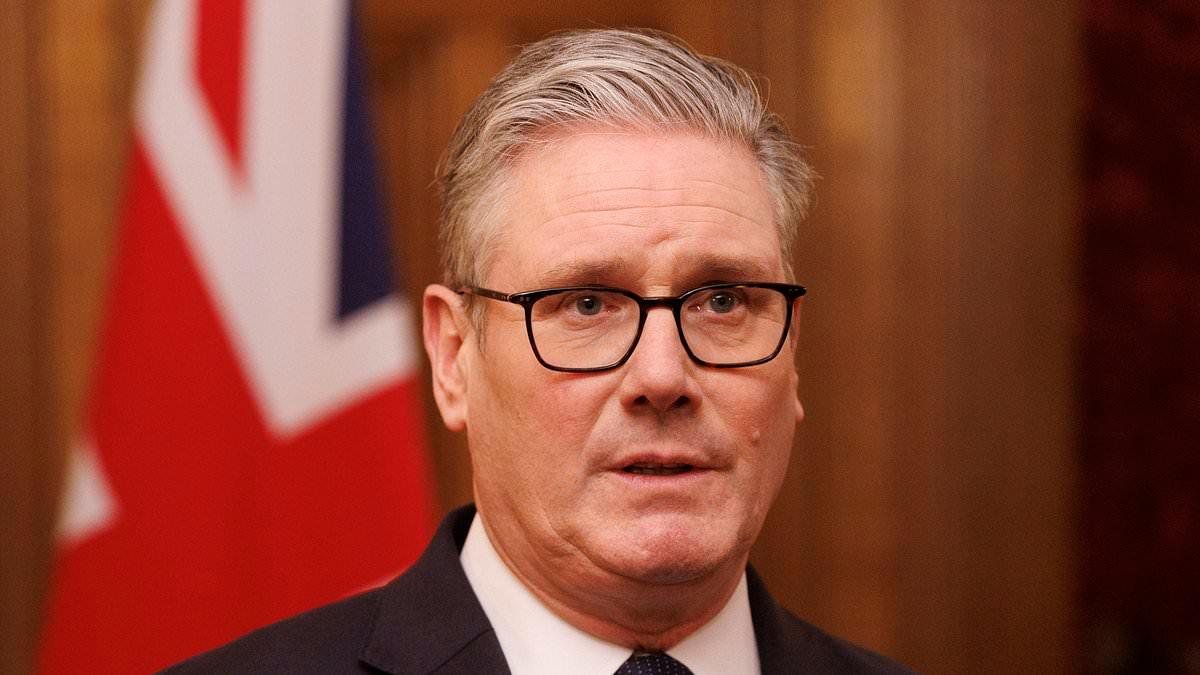
The prospect of Burnham returning to Westminster has intensified speculation about a possible leadership challenge to Sir Keir Starmer. High-profile figures have publicly backed letting local members decide. Some reports portray the move as an opening salvo for a challenge, while other coverage stresses cross-party concern about blocking a popular local mayor.
Senior figures named as supportive in different sources include Ed Miliband, Sadiq Khan, deputy leader Lucy Powell and, in some reports, Angela Rayner. Sources also warn that blocking his bid could provoke internal factional rows.
NEC veto and by-election costs
A central reason the NEC has a veto is practical: allowing a serving metro mayor to run for Parliament can trigger a mayoral by-election, with financial and administrative consequences. Several sources point to the rule change that gives the NEC a veto and to the tangible cost and disruption of a replacement mayoral contest, with one West Asian source citing the last Greater Manchester mayoral by-election at about £4.7m. NEC members are reported to be split between those worried about expense and those who argue Burnham's parliamentary experience and popularity would be an asset.
“Party rules give the NEC a veto over regional mayors running for Parliament—a change made after the last election to avoid costly mayoral by-elections.”
Burnham's statements and record
Burnham's public statements and campaign framing emphasise unity and service. He described the choice as difficult, said he wanted to 'mount the strongest possible defence' of Manchester's values, and pledged to 'back the Labour government, not undermine it.'
Coverage also notes his record as a high-profile mayor who shifted powers to Greater Manchester and delivered changes in local transport. Burnham has pledged to make no further public comments while internal processes run.
Gorton and Denton outlook
Sources describe the electoral outlook for Gorton and Denton differently. Some outlets depict the seat as a normally safe Labour constituency in Burnham’s northern base. Other polling suggests a three-way marginal contest involving Labour, Reform UK and the Greens, raising questions about whether Burnham would be guaranteed victory.
“The seat is a normally safe Labour constituency within Burnham’s northern base.”
Pundit and tabloid analyses emphasise potential electoral risks. Several pieces note that the by-election will be watched as a test of Labour’s direction.