
Britain · 17 August, 2026 · 2 min read
White House Denies Wiles Hack After UK PM Burnham Texted Susie Wiles Impersonator
Burnham texted an impersonator posing as White House Chief of Staff Susie Wiles. Politico first reported the impersonation; Downing Street declined to comment.
20 outlets told this the same way.
Outlets did split on Protesters Block Orange Order March in Portadown After High Court Permits It →
11 of 12 outlets skipped it: white House-fear: embassy raised concerns with Washington.
20outlets compared
Burnham texts impostor
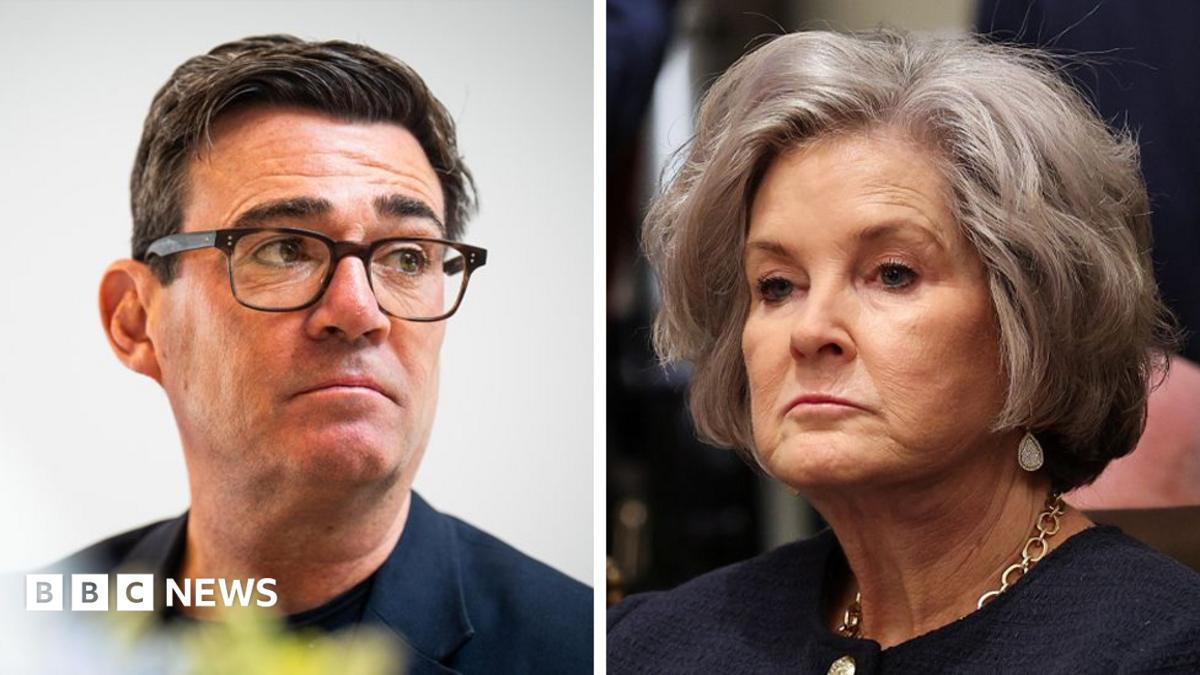
British Prime Minister Andy Burnham exchanged messages with a person posing as White House Chief of Staff Susie Wiles, before officials became suspicious and ended the conversation. Politico first reported the impersonation, citing four officials who said Burnham sent only a few messages before he became suspicious and stopped communicating.
“A spokesperson for Burnham declined to comment, saying it was policy not to discuss ‘national security matters.’”
The White House said the incident had nothing to do with Wiles’ devices being hacked, and a British government spokesperson declined to comment, saying, “We do not comment on national security matters.” The reports said the communication was conducted entirely through text messages, with no phone or video conversation taking place, and that the suspicious exchange was quickly reported to the appropriate authorities.

No significance, but raised
Downing Street sources described the exchange as being of “no significance,” while Politico reported that Burnham thought he was messaging with Susie Wiles before he became suspicious and cut off communications. The British embassy in Washington, D.C. was reportedly concerned enough to raise the matter with the White House, and the White House confirmed the incident was unrelated to Wiles’ devices being hacked.
The Independent reported that a White House official confirmed the incident was not caused by a breach or hack of Wiles’ personal devices, while the BBC previously reported an FBI probe into Wiles’ phone being hacked in May last year. Al Jazeera said the British government spokesperson refused to comment, repeating the policy that it is against “national security matters,” as the contents of the messages remained unclear.
Pattern of impersonation
The Burnham incident sits within a broader pattern described in the reports, including a May 2025 episode in which an impersonator used Wiles’ contacts file to send messages to influential Republican lawmakers, governors and business leaders. The White House and FBI responses to that earlier campaign included the FBI Director Kash Patel saying, “The FBI takes all threats against the president, his staff, and our cybersecurity with the utmost seriousness,” while the State Department warned U.S. diplomats about attempts to impersonate Secretary of State Marco Rubio using artificial intelligence.
“We do not comment on national security matters.”
The reports also pointed to prior targeting of senior UK officials, including Foreign, Commonwealth and Development Office confirmation that then-Foreign Secretary David Cameron was targeted in a hoax call involving a person pretending to be former Ukrainian President Petro Poroshenko. In addition, the reports said two other senior UK ministers were targeted in 2022 by an individual posing as then-Ukrainian Prime Minister Denys Shmyhal, with calls received by then-Defence Secretary Ben Wallace and Home Secretary Priti Patel over Microsoft Teams.