Full story
Burnham takes over
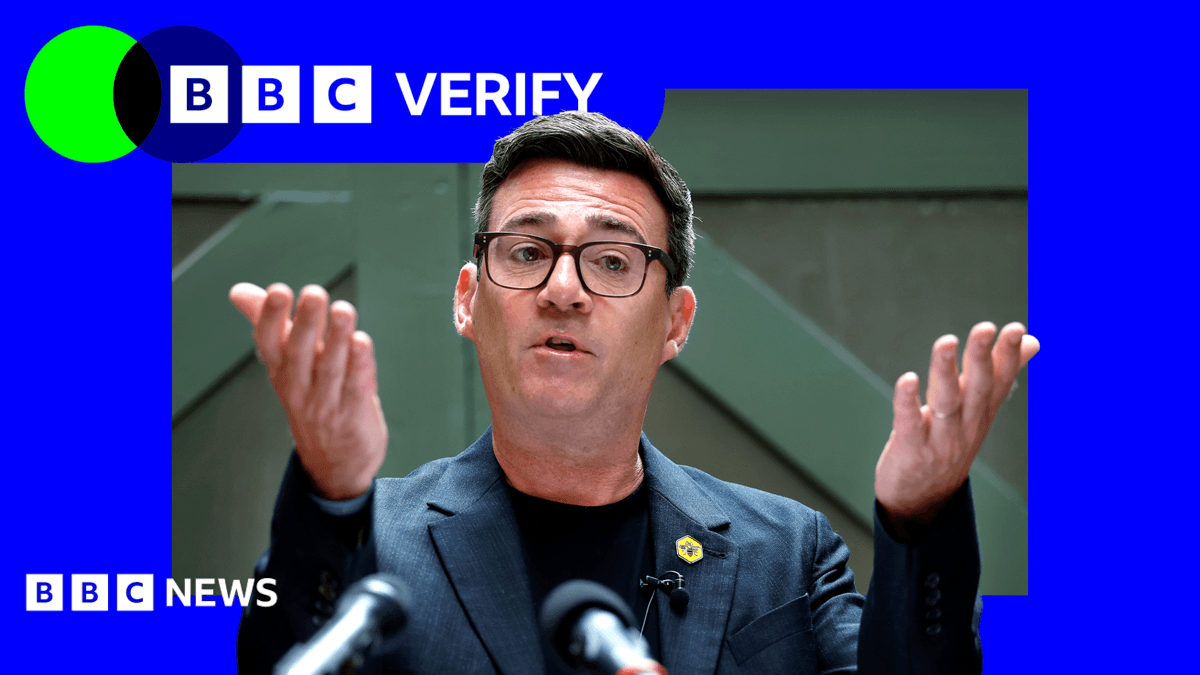
Andy Burnham is set to take over as prime minister on Monday after replacing Keir Starmer as leader of Britain’s ruling Labour Party, with Burnham described as the United Kingdom’s new leader in London.
NPR profiles Burnham as a 56-year-old born and raised in northern England who moved south to study English literature at the University of Cambridge, and it quotes Channel 4 News in May as Burnham saying, "I want to do whatever I can to make Labour a party that [people] can believe in again, a party that's solidly on the side of working-class people,".

The BBC says Scotland’s first minister John Swinney congratulated Burnham and hoped to build a "constructive relationship" that would improve the lives of people in Scotland, while also warning Burnham faced "serious challenges on a number of fronts" including "flatlining living standards, weak economic growth and years of austerity".
The Times of Israel, citing an AP dateline from LONDON, says Burnham was officially declared leader of Britain’s governing Labour Party on Friday and promised to bring hope to the British people, with the article saying he cleared his final hurdle to take office as prime minister next week.
Scotland, Labour, and rivals
John Swinney told the BBC that if Andy Burnham is serious about addressing challenges, he will find in him and the SNP a willing partner, but Swinney said the relationship must be based on "a recognition that the political landscape across the UK is changing" and that "Westminster does not have the right to dictate Scotland's future."
In the BBC’s account of Burnham’s own message to Labour MPs and supporters, Burnham vowed to reindustrialise the country and said he would give "hope back" to working class communities that the political class had "turned its back" on.
The BBC also quotes Anas Sarwar warning that the fight ahead is bigger than what happens inside the Labour party, saying, "We have a fight for the heart and soul of our nation," and it adds that Sarwar framed the alternative as "It's either going to be a success with Andy Burnham, or it's going to be a country in the hands of Nigel Farage and the new right."
The Times of Israel says Burnham’s leadership contest was decided after he secured nominations from 379 of the 403 Labour lawmakers in the House of Commons, and it quotes Burnham telling an audience, "We’re going to give them hope back," in his first speech as leader.
Devolution and economic stakes
As Burnham prepares to enter Downing Street on Monday, My London reports that new research from the Centre for Cities shows the Greater London Authority currently relies on central government more than other major cities, and it says City Hall has no access to local income taxes and only limited control over property taxes.
My London adds that less than a quarter of the GLA's £23.9billion budget is funded through business rates and the Mayoral precept portion of council tax, and it quotes Centre for Cities Chief Executive Andrew Carter saying, "London is one of the greatest cities in the world, but when it comes to its own tax powers it is very weak."
The article also says City Hall must spend 77 per cent of revenue on day-do-day operations, primarily policing and transport, and it frames the stakes for Burnham’s agenda by reporting that Centre for Cities argues fiscal devolution could add £10.5 billion to the UK economy if it increased London’s economic output by 1.75 per cent.
El Mundo contextualizes Burnham’s rise by describing how, in 2016, he announced his candidacy for the newly created Mayor of Greater Manchester and won with 63% of the votes, and it says the model later became known as "Manchesterism" that combined a "business-friendly" socialism with culture as civic identity.


