Sports30 December, 20252 min read
Anthony Joshua Leaves Hospital After Nigeria Car Crash That Killed Two Close Friends
Two of Joshua's close friends and team members, Sina Ghami and Latif Ayodele, were killed. Joshua sustained minor injuries, was stable, discharged from hospital, now recuperating at home.

29 outlets told this the same way.
Outlets did split on Tonda Eckert Keeps Southampton Job After Six-Week Suspended Ban Over Spygate →
Anthony Joshua crash update
Anthony Joshua, the 36-year-old former two-time world heavyweight champion, has been discharged from Lagoon Hospital in Lagos and is recuperating at home. He was involved in a car crash on the Lagos–Ibadan expressway in Ogun State that killed two of his close friends and team members. Multiple outlets report Joshua was a passenger in an SUV that struck a stationary truck, and state officials said he sustained only minor injuries, left the hospital on Wednesday, and visited the funeral home where the victims’ bodies were being prepared for repatriation.
“Former world heavyweight champion Anthony Joshua has been discharged from hospital after a car crash in southwest Nigeria that killed two of his close friends, state officials said.”
Joshua team fatalities
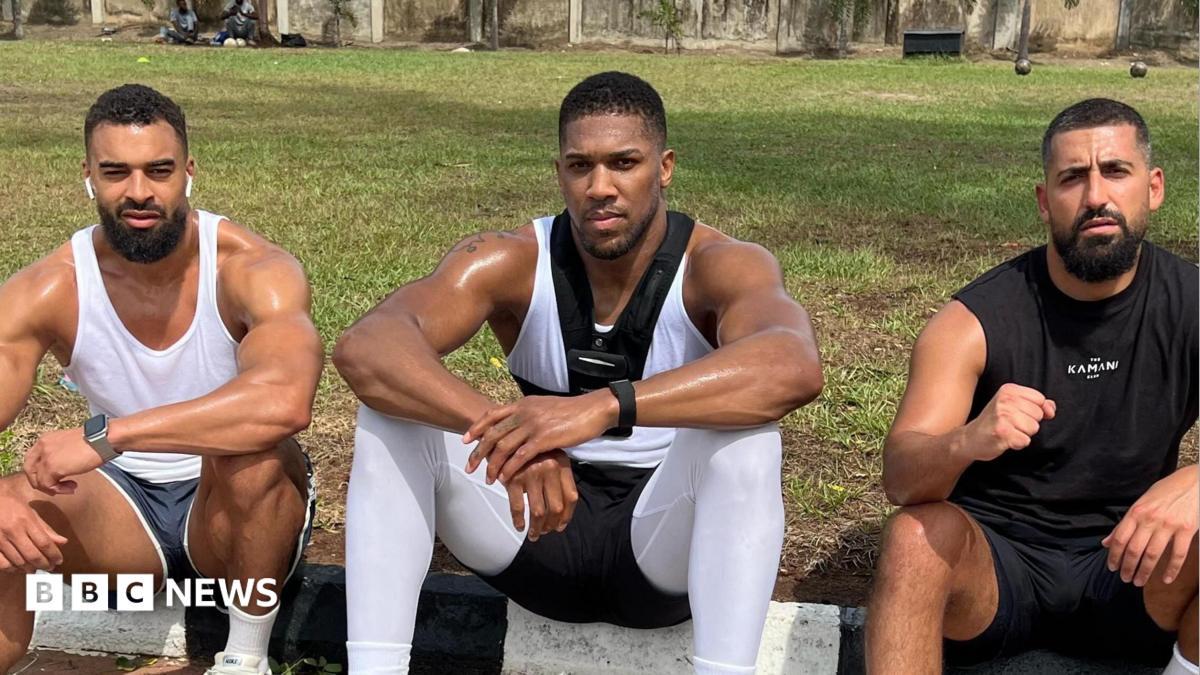
Two people killed were identified by multiple outlets as Sina Ghami and Latif (also reported as Kevin 'Latif'/'Latz') Ayodele. They were long-time members of Joshua’s team, described variously as a strength and conditioning coach, a rehabilitation coach and a fitness trainer.
Matchroom and others confirmed the fatalities and asked for privacy, while public figures including Jake Paul and Nigeria's President Bola Tinubu offered condolences. Reports emphasise the deep professional and personal links the victims had with Joshua, describing them as pillars of his training set-up and long-time friends.

Crash cause reports
Accounts of what caused the crash differ in emphasis across reports. Nigerian agencies and police statements cited by some outlets say preliminary probes found the vehicle was speeding and that a tyre burst contributed to the collision.
“Ogun’s Traffic Compliance and Enforcement Agency said preliminary probes found the vehicle was speeding and suffered a tyre burst before the collision.”
Other reports quote the Federal Road Safety Corps describing excessive speed and a wrongful overtaking manoeuvre that led the SUV to hit a stationary truck. Eyewitness footage and local police comments reported by some outlets describe the vehicle as badly wrecked while noting investigations are ongoing.
Joshua crash aftermath
The crash occurred days after Joshua's knockout victory over Jake Paul on Dec. 19.
Sources vary slightly on the timeline but place the accident within about a week to 10 days of that fight.
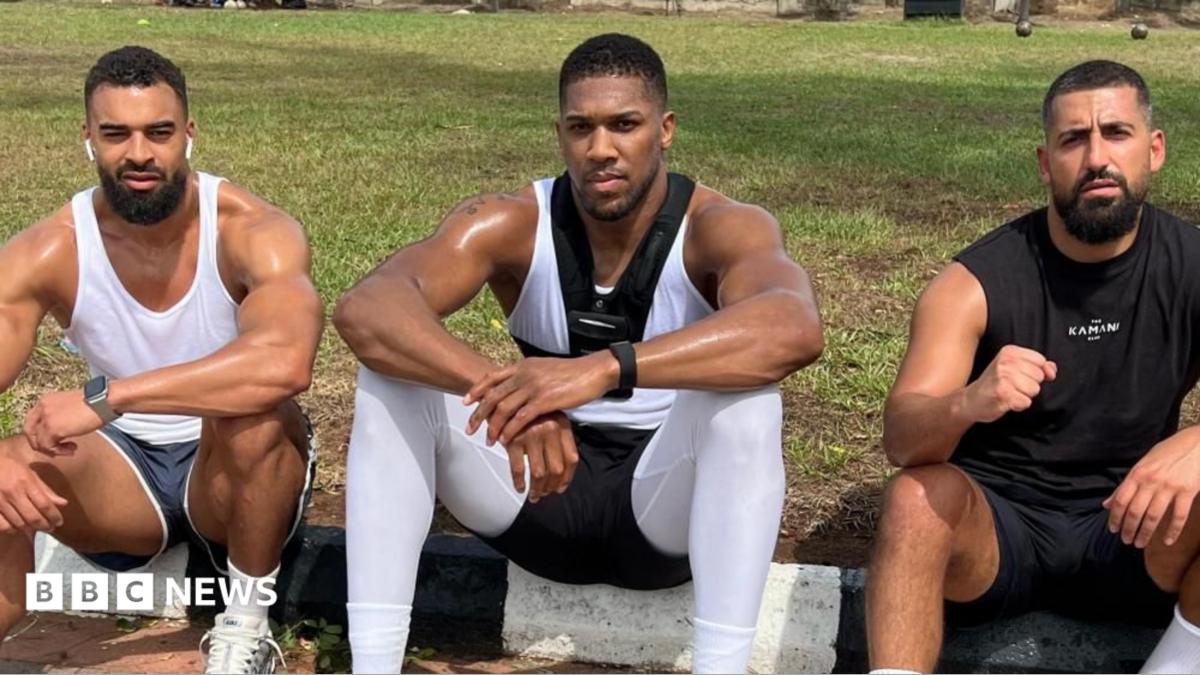
Media reports say Joshua had been in Nigeria for celebrations and to visit family.
After leaving the hospital, he and his mother attended the funeral home as preparations began to repatriate the two victims' bodies.
National leaders and peers, from President Bola Tinubu to Jake Paul and promoter Eddie Hearn, publicly expressed condolences.
Media coverage and aftermath
Reporting highlights the broader aftermath: investigations are open, families have asked for privacy, and the boxing community has expressed grief. Outlets diverge on longer-term implications. Several mainstream reports stick to confirmed facts and official statements about Joshua's condition and the ongoing probe.
“The crash has also cast doubt on his reported £100m mega-fight with Tyson Fury.”
Tabloids and some broadcast outlets add speculation about potential injuries and what this may mean for proposed future fights, while African outlets foreground local grief, the victims’ community roles, and road-safety context. The incident has prompted public condolences from sporting peers and national figures and remains under official investigation.