
Anthropic Sues U.S. Defense Department for Labeling Company a 'Supply-Chain Risk'
Key Takeaways
- Anthropic filed federal lawsuits to overturn the Pentagon's supply-chain risk designation
- Pentagon designated Anthropic a supply-chain risk after it refused to remove AI safety safeguards
- Pentagon memo ordered removal of Anthropic products from military systems within 180 days
Lawsuits and claims
Anthropic filed two federal lawsuits seeking to undo and block enforcement of a Pentagon “supply‑chain risk” designation, arguing the government’s actions are unlawful retaliation that violate constitutional and statutory rights.
“The Constitution does not allow the government to wield its enormous power to punish a company for its protected speech,” the company said in the filing”
The company asked a judge to “reverse the ‘supply chain risk label’ and stop federal agencies from enforcing it,” and its filing said “The Constitution does not allow the government to wield its enormous power to punish a company for its protected speech,” adding that “Anthropic turns to the judiciary as a last resort to vindicate its rights and halt the Executive’s unlawful campaign of retaliation.”

The complaint frames the administration’s move as unprecedented and unlawful and seeks injunctive relief while the litigation proceeds.
Origin of the dispute
The legal dispute grew out of months of fraught talks between Anthropic and the Pentagon after CEO Dario Amodei refused to remove two explicit guardrails: prohibitions on using Anthropic’s Claude for domestic mass surveillance of Americans and for fully autonomous weapons that operate without human oversight.
Pentagon officials, led publicly by Defense Secretary Pete Hegseth, insisted the company accept “all lawful uses” of Claude and warned of punitive steps if it did not comply; President Donald Trump also urged federal agencies to stop using Anthropic’s technology.
Anthropic says the guardrails reflect safety limits—"even the best AI models were not reliable enough for fully autonomous weapons"—and that the designation followed a breakdown in negotiations despite prior collaboration.
Operational impact
The Pentagon’s supply‑chain risk designation and related government actions have immediate operational and commercial effects.
“Personalized content and ads can also include things like video recommendations, a customized YouTube homepage, and tailored ads based on past activity, like the videos you watch and the things you search for on YouTube”
The designation—historically used to restrict firms with ties to foreign adversaries—bars agencies and defense contractors from using Anthropic’s models for Pentagon work and has already led to removals and canceled contracts, including the General Services Administration’s termination of Anthropic’s OneGov contract.
An internal Defense Department memorandum also directed senior leaders to remove Anthropic products from systems within 180 days, while reports say the designation threatens a previously reported $200 million DoD contract.
Legal claims and review
Anthropic’s complaints press multiple legal arguments and seek immediate relief while challenging the DOD’s process.
The company contends the designation was made “without observance of the procedures Congress required,” that “no federal statute authorizes the actions taken here,” and it has asked courts to pause enforcement and to review the supply‑chain determination.
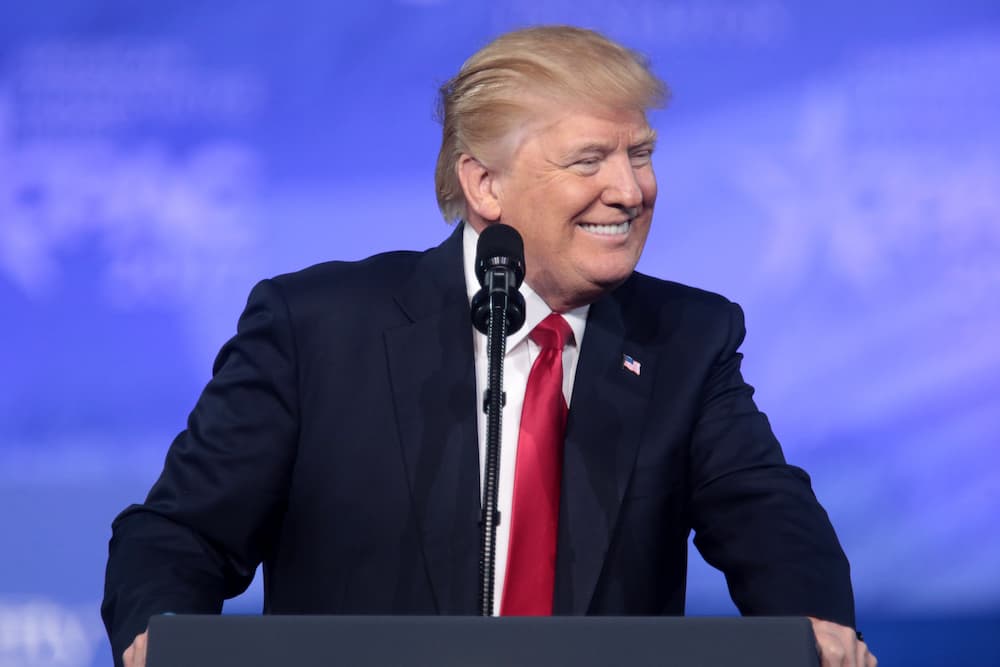
Legal observers have questioned whether the law’s findings support a domestic blacklisting and whether public statements by administration officials undermine the Pentagon’s posture; commentators say the case could set a precedent for how the government uses supply‑chain authorities.
Wider implications
The conflict has rippled through the tech and defense ecosystem and prompted competing responses from other industry players.
“Anthropic versus Washington”
Major cloud and platform partners said they would continue to host Anthropic’s models for non‑Defense uses while some defense vendors moved away, and rival labs quickly pursued or struck deals with the Pentagon.

Anthropic warned of severe financial harm if the blacklist stands, saying the actions could “destroy the economic value” the company has created and reduce 2026 revenue by several billion dollars, while observers warn the outcome will shape how AI firms negotiate safety limits with government purchasers in future.
More on Technology and Science
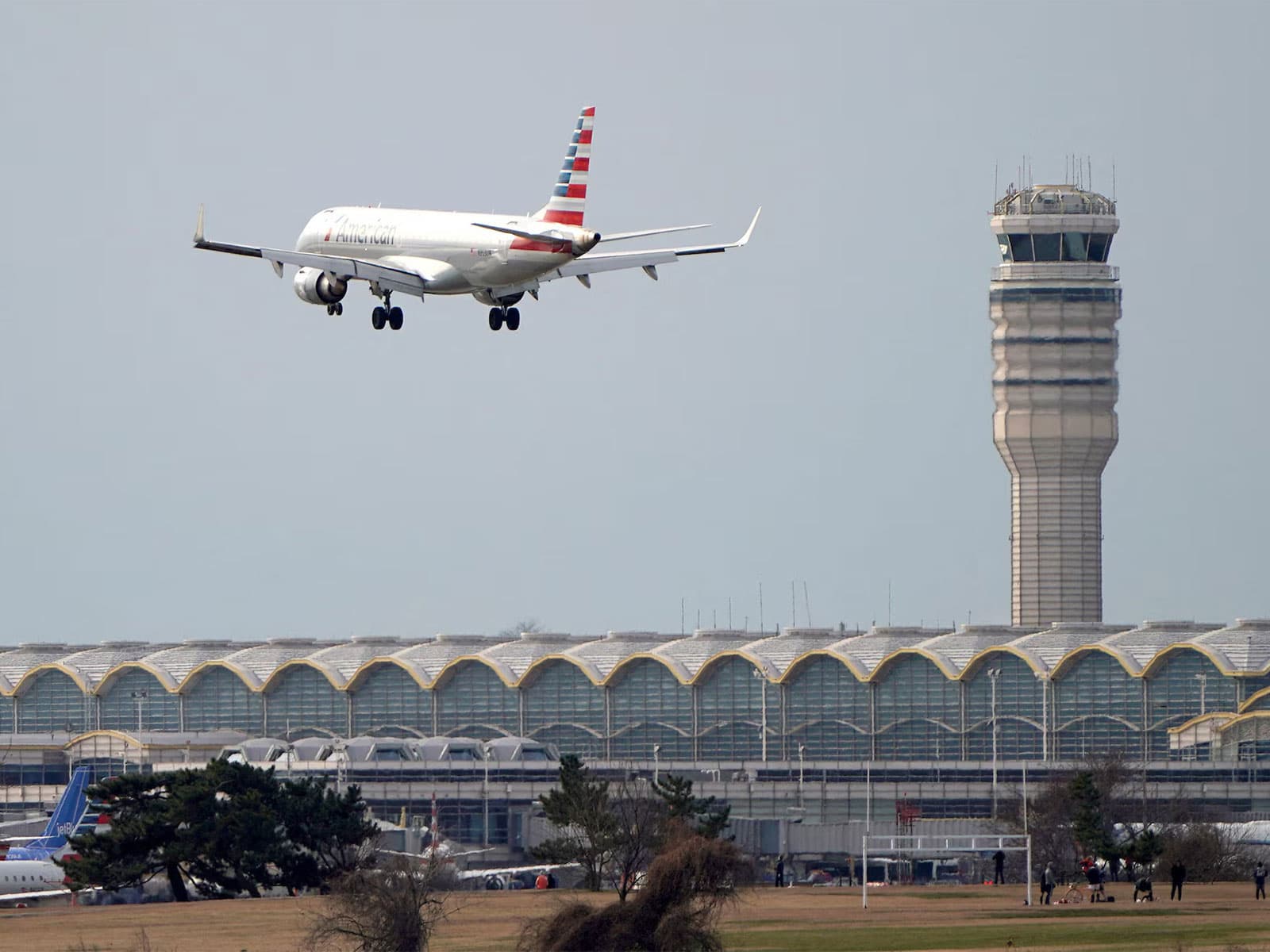
Chemical odor forces FAA to halt flights across DC-area airports
27 sources compared

Apple Cuts China App Store Commissions to 25% After Regulator Pressure
25 sources compared

FBI Investigates Hacker Who Uploaded Malware-Laced Games to Steam
12 sources compared

University of Cambridge Researchers Urge Tighter Regulation Of AI Talking Toys For Under-Fives
10 sources compared