Any ship passing Strait of Hormuz must obtain approval: IRGC Navy chief
Key Takeaways
- The IRGC Naval commander said vessels must obtain Iran's approval to transit Strait of Hormuz
- Two ships that ignored Iran’s warnings were targeted in the Strait that day
- Rear Admiral Alireza Tangsiri posted the warning on his X account on Wednesday
IRGC warning
The commander of the Islamic Revolution Guards Corps (IRGC) Naval Force says any vessel seeking to sail through the Strait of Hormuz must obtain Iran’s approval; otherwise, it could become a target of Iranian attacks.
“The commander of the Islamic Revolution Guards Corps (IRGC) Naval Force says any vessel seeking to sail through the Strait of Hormuz must obtain Iran’s approval; otherwise, it could become a target of Iranian attacks”
In a post on his X account on Wednesday, Rear Admiral Alireza Tangsiri said that two ships that had ignored Iran’s warnings were targeted in the Strait earlier that day.
Tangsiri's statements
Tangsiri ridiculed the US government’s pledges to escort and protect vessels transiting the waterway, calling them “hollow promises.”
He wrote: “Were the ships assured of safe passage through the Strait of Hormuz? This should be asked of the crews of the vessels Express Rome and Mayuree Naree, who today, trusting in empty promises, ignored the warnings and intended to cross the Strait, but were caught.”
He added, “Any vessel intending to pass must obtain permission from Iran.”
Passage restrictions impact
Iran has intensified its restrictions on the passage of ships through the Strait of Hormuz amid an ongoing US-Israeli war of aggression against the country.
“The commander of the Islamic Revolution Guards Corps (IRGC) Naval Force says any vessel seeking to sail through the Strait of Hormuz must obtain Iran’s approval; otherwise, it could become a target of Iranian attacks”
Authorities have indicated that the Strait, through which nearly one-fifth of global oil passed before the war, remains open and that vessels not serving the interests of the United States and Israel can sail through safely.
The restrictions have led to a significant rise in global energy and commodity prices, with experts suggesting that the impact could escalate to historic levels if the confrontation continues.
This comes as Washington has failed to provide escorts to vessels seeking to transit the waterway, despite earlier pledges to do so as part of efforts to restore market confidence.
Iran's oil shipments
A Wednesday report by The Wall Street Journal said that Iran has managed to transport more oil through the Strait of Hormuz despite a sharp decline in shipments by other oil giants in the Persian Gulf.
The report noted that tankers have loaded an average of 2.1 million barrels of Iranian oil per day, higher than the 2 million barrels per day Iran exported in February.
Citing data from tanker tracking service Kpler, the report showed that seven tankers have loaded oil off the Iranian coast since the war began on February 28, with at least two of the most recent loadings now safely sailing out of the Persian Gulf.
More on Iran
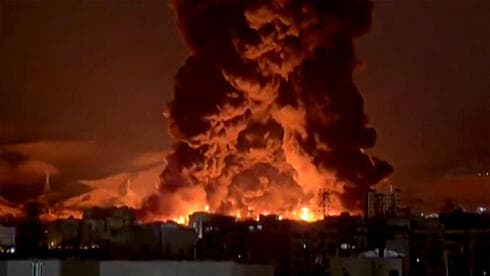
US obliterates military targets on Iran’s Kharg Island, Trump warns
13 sources compared

US Deploys About 2,500 Marines to Middle East After Iran Attacks Gulf Shipping
33 sources compared
FBI Warns of Iranian Drone Plot Based on Unverified Tip; California Says No Credible Threat
10 sources compared

White House Demands ABC Retract Report Claiming Iran Sought To Launch Drone Attacks On California
11 sources compared