Lebanon12 June, 20263 min read
Apostolic Nuncio Paolo Borgia’s Lebanon Aid Convoy Stopped by Israeli Forces After Fire With Hezbollah
This article is an automated aggregation of coverage from news outlets. Our editorials offer in-depth analysis curated by the NewsCord team.
Vatican-led aid convoy under Apostolic Nuncio Paolo Borgia aimed at southern Lebanon's Christian villages. Israeli forces halted the convoy and forced a route change amid crossfire with Hezbollah.
Convoy Caught in Crossfire
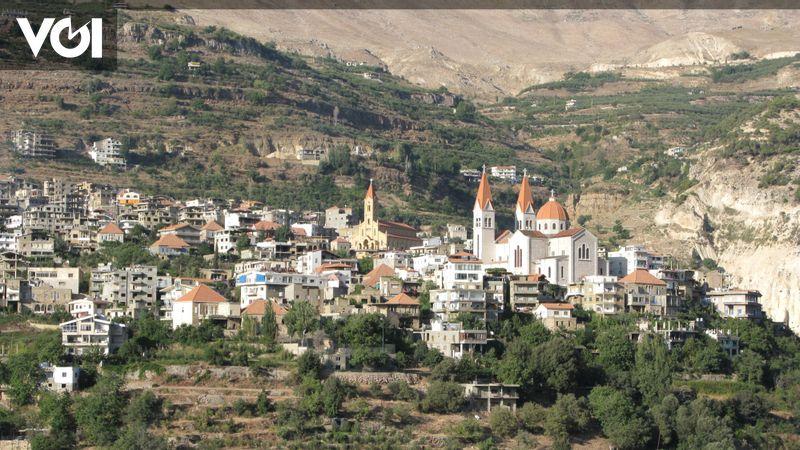
A humanitarian convoy organized by the Apostolic Nuncio in Lebanon, Archbishop Paolo Borgia, was forced to change its route because of “an exchange of fire between the parties” involving the Israeli army (IDF) and Hezbollah militias, as it headed toward three Christian villages in the south of the Cedar Country. The convoy left Beirut early in the morning and, after reaching the village of Debel south of Tyre, Archbishop Borgia said “It was not possible to continue along the route” coordinated with the relevant authorities. Vatican News said the group of 45 trucks and vehicles carried humanitarian aid including food supplies, fruit, vegetables, water, medicines, and fuel, and also cars carrying local residents returning after being displaced for weeks.
VOI.id reported that when approaching the village of Debl on Thursday, convoy members “came face to face with several Israeli tanks,” and said there were shots of tanks and machine guns toward the rear position that caused panic. The Vatican envoy’s convoy ultimately reached Debel after “a journey of 10 hours,” but had to turn back and take an entirely different route with new authorizations to travel safely.

Tanks, Panic, and Unanswered Questions
A convoy member who spoke to AFP on condition of anonymity told Naharnet that “we got face-to-face with several Israeli tanks” while approaching the village of Debl on Thursday. The same AFP-sourced account said “There were several tank and machine gun shots towards rear positions that we could not identify... which caused panic,” and it remained unclear whether the Israeli army wanted to intimidate the convoy or target Hezbollah positions. VOI.id said the Israeli military and the Vatican had yet to respond to AFP’s inquiries when the convoy was stopped and forced to change direction on Friday, June 12.
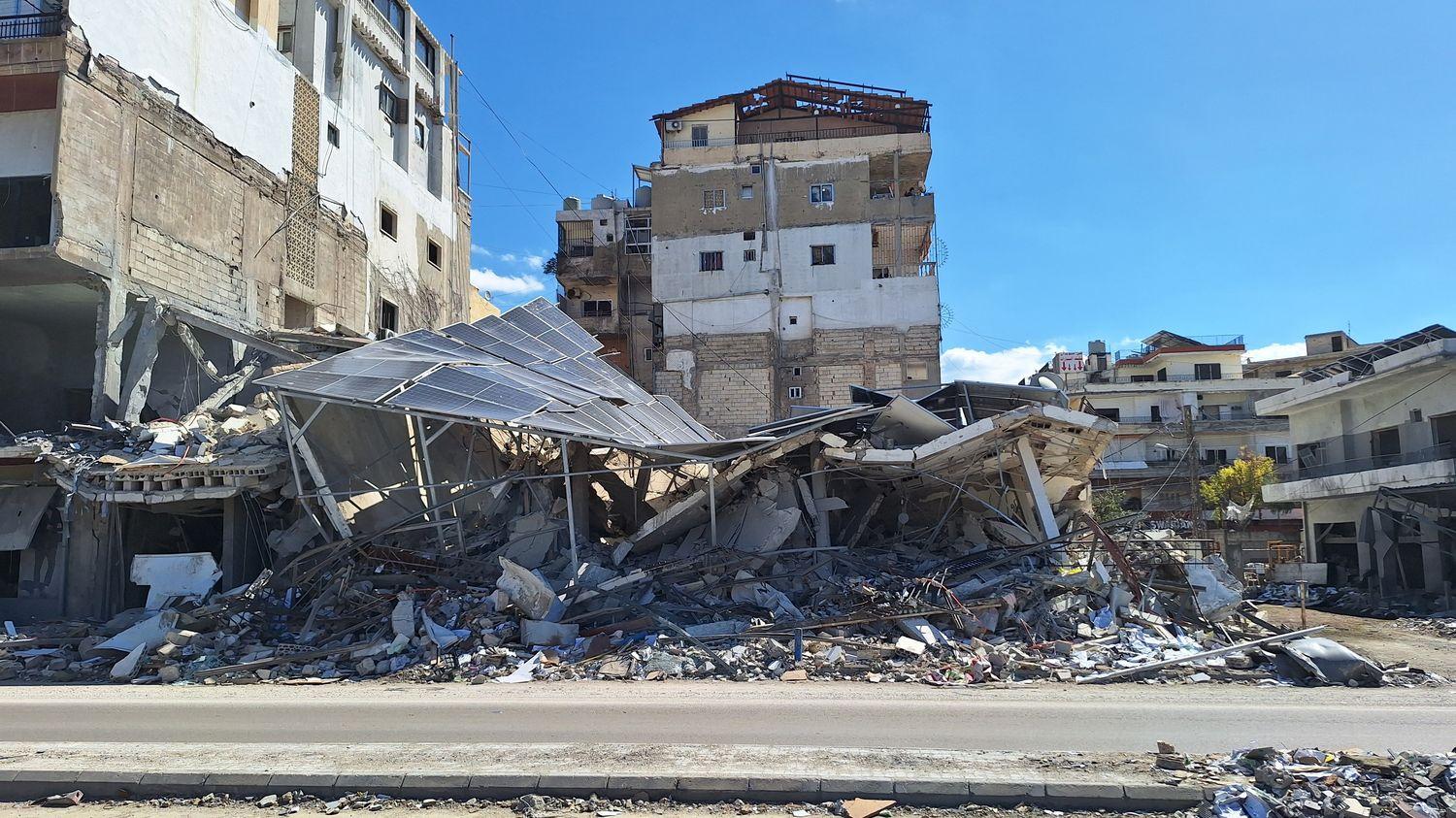
Vincent Gelot, head of the Catholic organization Oeuvre d'Orient, told AFP that residents who chose to stay are “completely isolated from the rest of the country,” lacking resources because “most of them are farmers.” Gelot also warned that the Christian villages are surrounded by areas the Israeli army has ordered to be evacuated, saying villagers “are in danger of disappearing” by the Israeli attack.
Aid Access and Disappearing Villages
The Diocèse de Paris reported that Monsignor Laurent Ulrich learned with “great sadness” of the cancellation of a humanitarian mission in southern Lebanon and urged that civilian populations receive humanitarian aid and protection “without hindrance.” In the same statement, the Maronite Patriarchate, Caritas-Liban, and the Work of the Orient said the cancellation of the convoy to the village of Debel—planned for Easter Day—would “constitutes a violation of international humanitarian law.” They said the mission was to supply “more than 40 tons of medicines and essential goods” to inhabitants cut off from the rest of the country and deprived of resources amid repeated evacuation orders issued by the Israeli army.
The Work of the Orient and Caritas-Liban also said the cancellation sends a “painful message” to Christians of southern Lebanon who were prevented from celebrating Easter with a delegation under the Vatican's aegis. Vatican News had earlier described the goal of the convoy as “to return” to areas effectively isolated by ongoing military operations, and said the next convoy would come “next week.”