Full story
Iran ties Lebanon to deal
Iran’s foreign minister Abbas Araqchi said an end to fighting with the United States would include Lebanon, while also saying the nuclear programme was not part of the current stage of talks.
“Iran-US draft deal would release $24B in funds, ensure Lebanon ceasefire: Iranian media The draft circulating in Iranian state media, which Trump denied on Friday, would grant Tehran sanctions relief and access to billions in frozen funds while limiting final talks to nuclear issues and excluding its missile program and proxies”
Araqchi told Iranian state media that “end to war on all fronts includes Lebanon but Tehran won’t give up nuclear programme,” and he added that nuclear talks with the US would only take place at a later stage.

The BBC reported that the deal would also lead to the reopening of the Strait of Hormuz, with Iran saying the Strait would be reopened as part of a broader arrangement that includes lifting a US blockade of Iran.
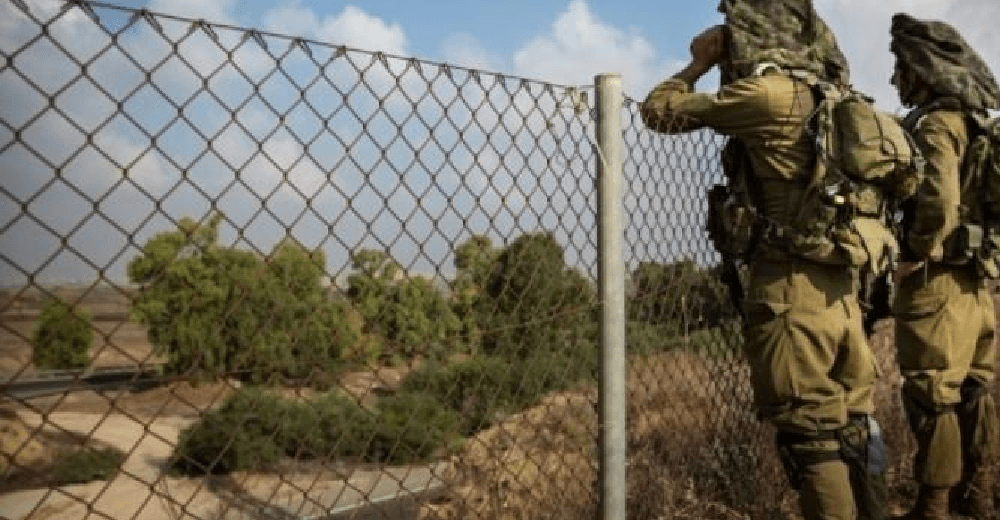
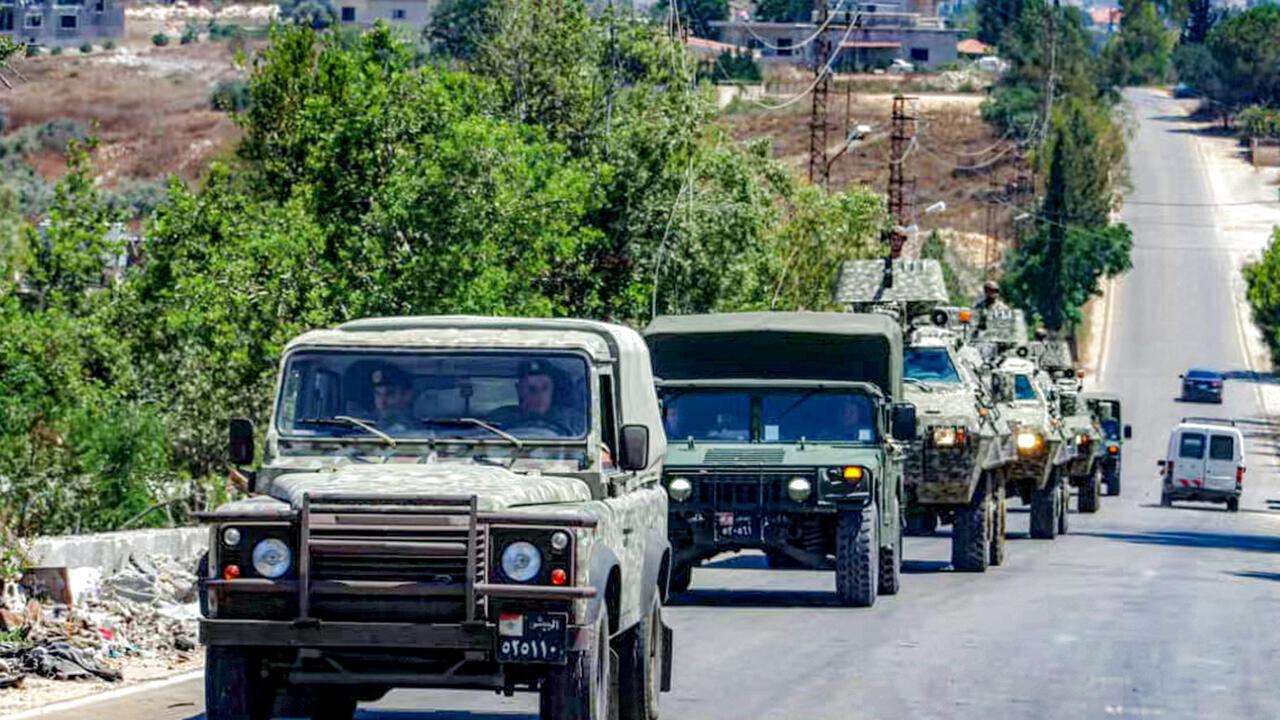
In Lebanon, Hezbollah said its fighters confronted Israeli forces advancing towards Majdal Zoun, targeting Israeli troops “with repeated rocket barrages, forcing them to retreat,” as Israel pressed on with strikes in Lebanon.
The Guardian also reported that Israel’s defence minister Israel Katz had said Israel would not withdraw from security zones in Lebanon, Syria or Gaza, even as the diplomatic track over Lebanon was being discussed alongside the US-Iran talks.
Quotes and competing narratives
Hezbollah’s position in Lebanon was framed as part of the Iran-U.S. understanding, with the Al-Monitor report describing a draft circulating in Iranian state media that would include “a permanent and immediate ceasefire on all fronts, including Lebanon.”
In the same reporting stream, Trump denied the leaked terms, writing on Truth Social that “have NOTHING to do with the terms that were agreed to, in writing,” while Vice President JD Vance said the Iranians were “not receiving any cash.”

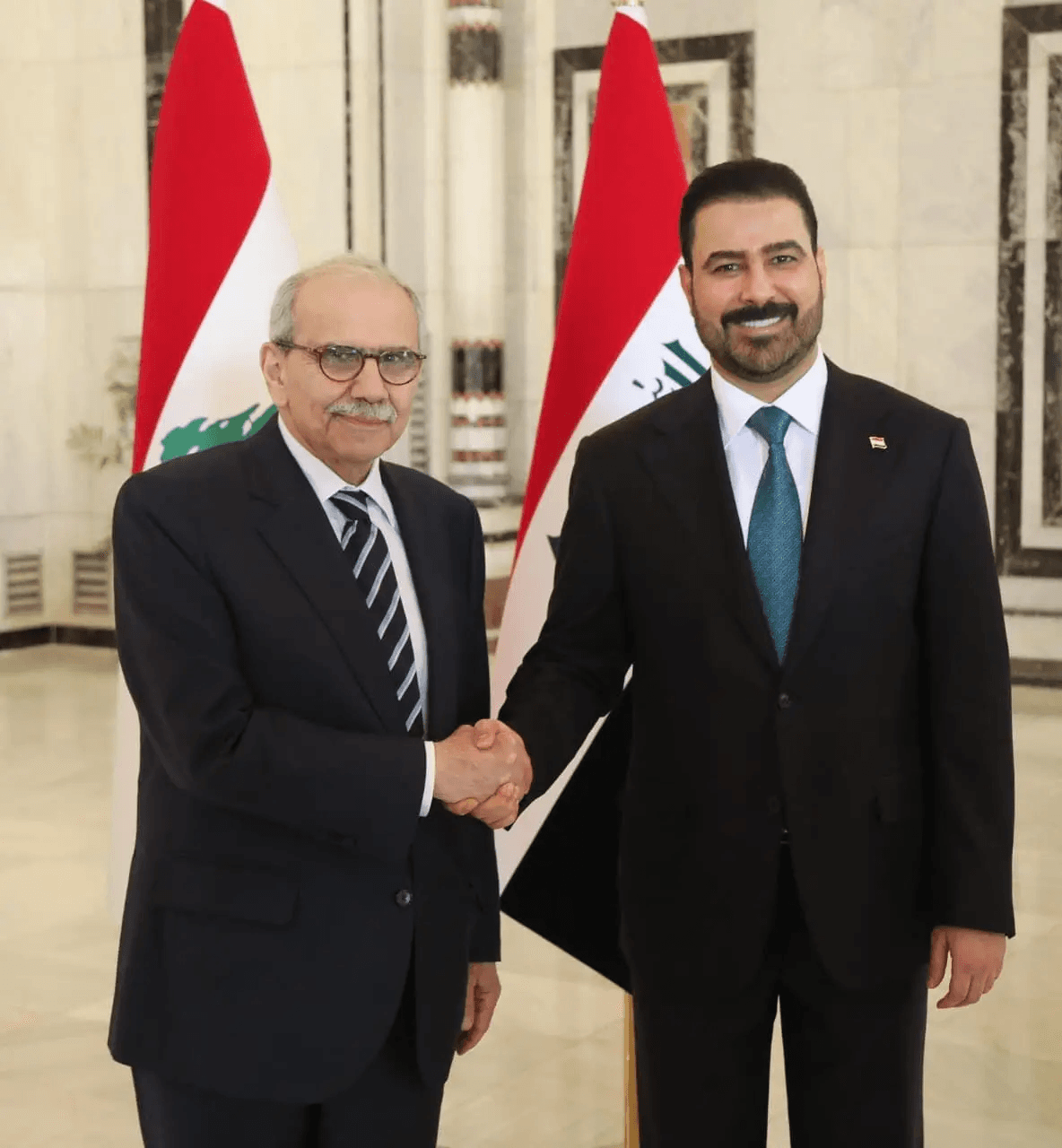
Lebanon’s president Joseph Aoun rejected any effort to link Lebanon to the US-Iran track, telling Reuters that “Lebanon’s future is in the hands of the Lebanese, not Iran — nor Israel,” and he said “There is no military solution.”
Aoun also said Hezbollah had publicly rejected direct talks with Israel but had not presented the government with its own roadmap, leaving Lebanon at an impasse as the US-Iran negotiations continued.
Meanwhile, the BBC reported that US officials confirmed some details of the agreement and said economic benefits for Iran would depend on Tehran meeting its obligations, with the MOU awaiting finalising.
What’s at stake next
The Al-Monitor account of the draft 14-point memorandum tied Lebanon’s ceasefire to the broader sequencing of the US-Iran deal, including a “60 days of negotiations to reach a final agreement on nuclear issues” and a “complete lifting of US sanctions plus UN Security Council and International Atomic Energy Agency resolutions.”
“Deal to end fighting would lead to Hormuz reopening, Iran says A deal with the US to end fighting in Iran is close and includes reopening the Strait of Hormuz, Iran's Foreign Minister has said”
That same draft described the first stage as ending the war “on all fronts, including Lebanon,” while also stating that “The final negotiations not to begin before the release of half of Iran's frozen funds,” linking Lebanon’s ceasefire to the timing of sanctions relief and frozen funds.
In Lebanon, the stakes were also described through the dispute over negotiations between Beirut and Israel, with Reuters reporting that Aoun insisted on a diplomatic track while Hezbollah rejected direct talks with Israel.
The Guardian’s live coverage added that Israel Katz had said Israel would not withdraw from security zones in Lebanon, and it also reported Hezbollah saying its fighters targeted Israeli troops advancing towards Majdal Zoun as Israel struck 310 Hezbollah targets in southern Lebanon in the past week.
The BBC said the deal would be followed by a 60-day period of negotiation focusing on Iran’s enriched uranium, with the Strait of Hormuz reopening “more or less immediately,” placing Lebanon’s ceasefire within a wider regional timeline.