Full story
Pilot zones begin
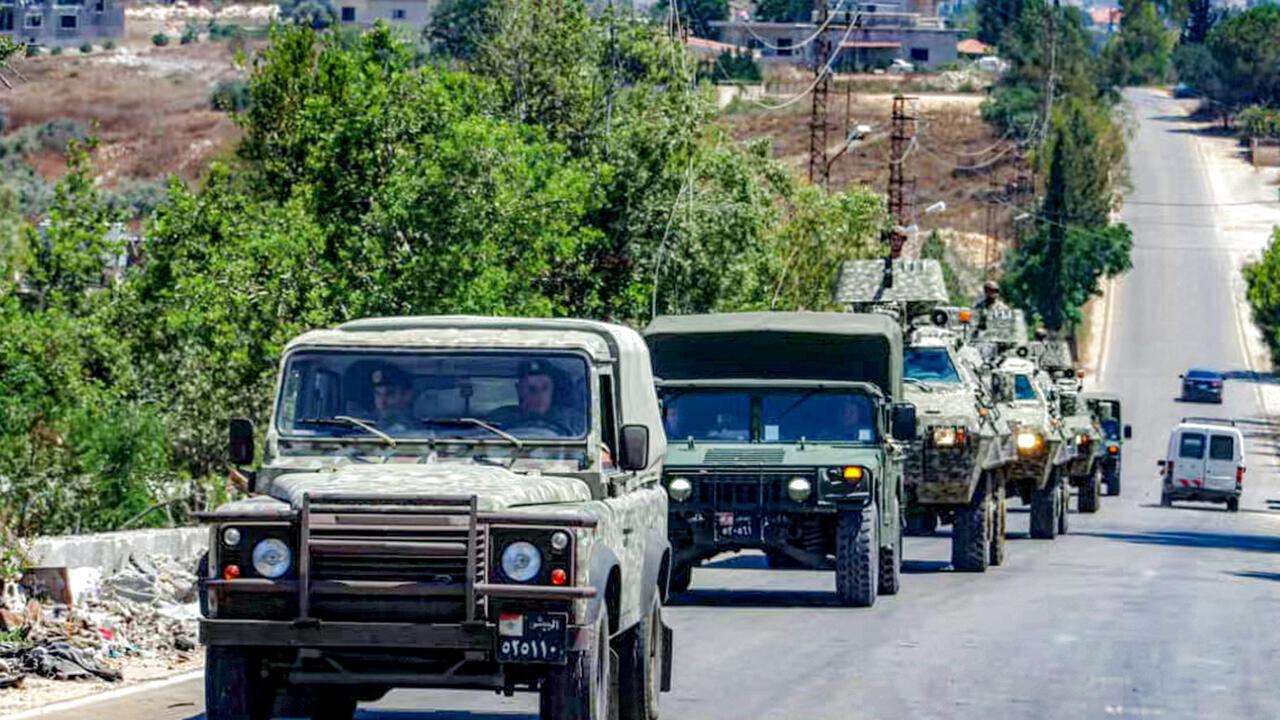
Lebanese Armed Forces began deploying in the town of Zuṭr al-Gharbiyah in southern Lebanon on Tuesday after Israeli forces withdrew, as part of a US-brokered “pilot zones” plan under a framework agreement signed on June 26.
“Lebanese army deployed in ‘pilot zone’ as families wait to return home Zawtar al-Gharbiya, Lebanon – We arrived at the entrance of Zawtar al-Gharbiya just as the Lebanese army moved in”
The BBC reported the Lebanese army said Israeli forces fired “at close range” to its troops during the deployment operation in Zuṭr al-Gharbiyah, while the Israeli army said it fired warning shots into the air after Lebanese troops crossed about 150 meters into what it describes as a security zone near Zuṭr al-Sharqiyah.

The U.S. State Department announced on Monday afternoon the start of “experimental area” operations in Zuṭr al-Gharbiyah and two other Lebanese villages, Frun and Sarifa, in line with the trilateral framework agreement among Israel, Lebanon, and the United States.
In Haaretz, residents returning to the entrances of abandoned villages in southern Lebanon questioned how long it would take for Israeli withdrawal, with one resident saying, “if an IDF withdrawal from 'three villages takes so long, what will happen with the dozens of destroyed villages? No one knows when we will return to them, if at all'.”
Le Monde described the scene at a barrier 700 meters from the entrance to Zaoutar El-Gharbiyé, where Ali Atwi pleaded, “We are asking the army for permission to go see our houses for an hour and then come back,” as the LAF began deployment in one of the first pilot zones.
Competing accounts
The Lebanese army said the Israeli occupation forces fired at close range to its units during deployment in Zuṭr al-Gharbiyah and stressed the attack could hinder implementation of deployment steps in the experimental areas.
The Israeli army countered that its forces fired warning shots into the air after Lebanese troops, accompanied by an engineering vehicle, crossed about 150 meters into what it describes as a security zone near Zuṭr al-Sharqiyah and breached checkpoints, adding that the area is not part of the experimental areas.

In the BBC’s account, the Israeli army said Lebanese personnel withdrew without reports of injuries, while the Lebanese army urged citizens “not to go to the village until the security situation stabilizes, and to comply with the instructions of the deployed military units to protect their safety.”
In Haaretz, residents gathered outside village entrances that were abandoned, with one resident saying, “They've been talking about this pilot for several weeks,” as thousands of displaced people waited for access.
The BBC also reported that a Lebanese citizen said, “the deployment of the Lebanese army will not be enough to end Israeli operations,” citing Israeli bombardment of a site where the Lebanese army is deployed in Zuṭr al-Gharbiyah.
What’s at stake
The pilot-zone process is framed as a test of Lebanese sovereignty and a step toward disarming Hezbollah, with the BBC describing the plan as seeing Israeli forces withdraw from a small portion of lands they controlled while disarming Hezbollah.
“Lebanese Army: Israeli forces fired at close range to our units during their deployment in an 'experimental area'”
The BBC reported that the Israeli army reiterated it will remain in the “security zone”—a strip of Lebanese territory along the border and extending 10 kilometers (six miles) inland—“as long as necessary” to defend the north.
In Le Monde, residents tied the stakes to reconstruction and access, with Youssef Yaghi saying, “More than 70% of the houses are destroyed, as are the water and electricity infrastructures... We just want to smell the scent of our land,” as the LAF blocked access behind a barrier 700 meters from the entrance.
Haaretz captured the uncertainty of return, quoting a resident who asked, “No one knows when we will return to them, if at all,” as thousands of displaced residents gathered outside village entrances that were abandoned.
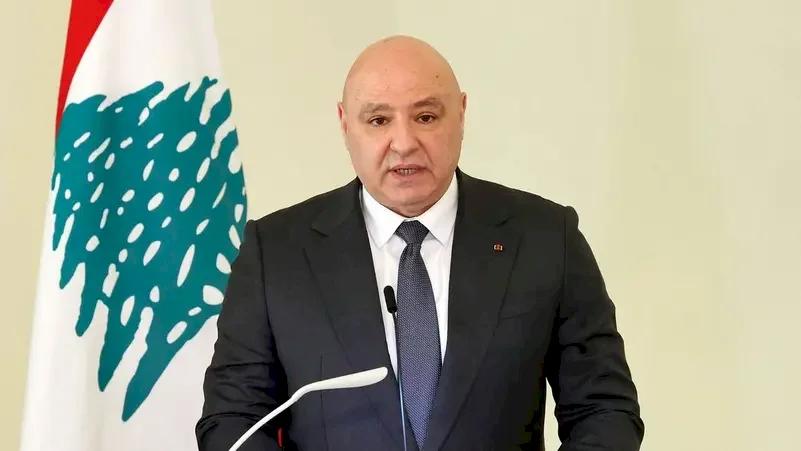
The BBC also reported that a Lebanese official told Reuters that Joseph Aoun believes “Trump alone has the influence to pressure Israel to withdraw its forces and help Lebanon recover its sovereignty,” and that Aoun would present Trump with a written proposal on dismantling Hezbollah’s massive arsenal.