Full Analysis Summary
Apple's Houston expansion
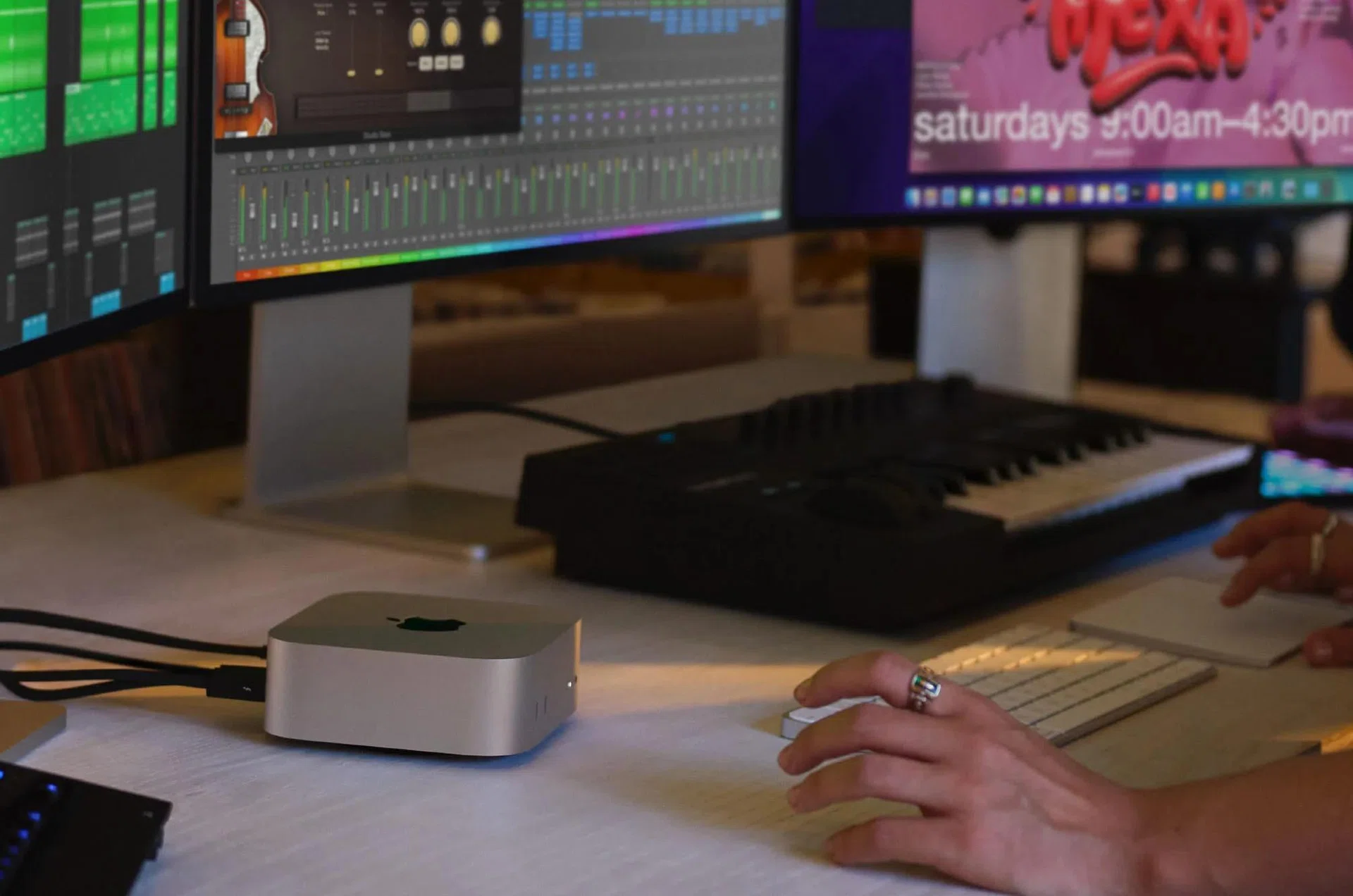
Apple said it will begin assembling Mac mini desktop computers in Houston later this year at the same site where it recently started producing AI servers for data centers.
The move marks a U.S. expansion of Mac production and complements the company's growing AI hardware footprint in Texas.
Apple also plans to expand AI server production there and open a 20,000‑square‑foot manufacturing training facility, signaling a coordinated push to combine consumer Mac assembly with AI server manufacturing and workforce training in one hub.
The Mac mini — a lower‑volume model that starts at US$599 — has attracted attention as a cost‑effective machine for running AI software, which helps explain the decision to collocate Mac and AI server production in Houston.
Coverage Differences
Unique Coverage
Only The Business Times article is available for this briefing, so there is no opportunity to compare how different source types (e.g., Western mainstream, West Asian, alternative) frame the move. The single source emphasizes the tie between Mac mini assembly and AI server production plus a new training facility in Houston, but we cannot confirm whether other outlets highlight different strategic, political, or economic angles.
Apple Mac production strategy
The move to Houston sits alongside Apple's longer-standing production footprint in the U.S. and Asia.
While most Macs continue to be built in Asia (China, Malaysia, Vietnam, Thailand), Apple has for some time produced the lower-volume Mac Pro in Austin.
The Business Times frames the Houston Mac mini assembly as a selective reshoring for lower-volume, strategically useful models rather than wholesale relocation of Mac manufacturing.
This reflects the company's split production strategy between U.S. facilities and Asian factories.
Coverage Differences
Narrative Framing
Because only The Business Times is available, the framing — that Apple is selectively moving lower‑volume models like the Mac mini and Mac Pro to U.S. sites while keeping bulk production in Asia — is drawn solely from that outlet. We cannot test whether other sources emphasize supply-chain risk, cost, political motivations, or purely operational reasons.
Apple Mac mini production plans
Reports cited by The Business Times suggest Apple expects a refreshed Mac mini with a new chip this year.
The reports say the company will likely continue producing U.S. models for the U.S. market while keeping other Mac production in Asia.
This indicates a market-targeted production approach, with U.S.-destined units made domestically and other regional demand supplied from existing Asian factories, according to the reporting available.
Coverage Differences
Missed Information
The Business Times reports that a refreshed Mac mini with a new chip is coming and that U.S. models will likely be made in the U.S. for the U.S. market, but without additional sources we cannot verify the supply‑chain rationale, production volumes, or Apple's official confirmation.
Apple US investment debate
The Business Times places the Houston Mac mini plan within a broader US$600 billion U.S. investment Apple touted during discussions with President Trump, and notes that the program has drawn both praise and criticism.
The article presents the investment as part of Apple's publicized U.S. commitments, while acknowledging public debate around the scale and merits of such corporate investment pledges.
Coverage Differences
Tone
With only The Business Times available, we can report its measured tone — noting both praise and criticism of Apple’s US$600 billion investment push — but cannot contrast whether other outlet types might cast the move more positively (e.g., as job creation) or more skeptically (e.g., as political posturing).
Reporting limitations
Limitations: reporting is based on a single sourced article.
Because only The Business Times was provided, this article synthesizes and restates that outlet's facts and framing.
It cannot present comparative perspectives, confirm external reactions, or verify reported replenishment of the Mac mini lineup beyond what the article reports.
Readers should note that cross-source corroboration and additional detail (e.g., statements from Apple, production volumes, or timelines) are not present in the material supplied.
Coverage Differences
Missed Information
The key difference here is absence: other source types and outlets are missing from the briefing set, so there is no basis to identify contradictions, alternate framings, or unique emphases beyond The Business Times' coverage.