Sudan24 December, 20254 min read
Arab League Welcomes Sudanese Government Ceasefire Plan Presented to UN Security Council
This article is an automated aggregation of coverage from news outlets. Our editorials offer in-depth analysis curated by the NewsCord team.
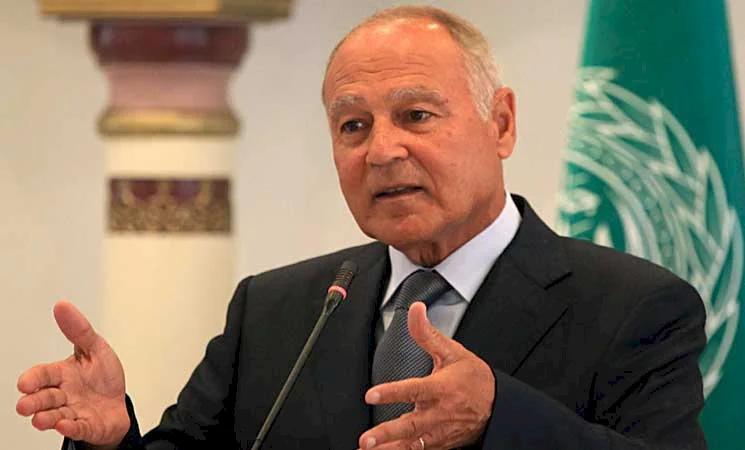
Arab League secretary-general welcomed the Sudanese peace initiative, urging positive engagement Plan requires RSF withdrawal and disarmament into UN/AU/Arab League‑supervised camps
11 outlets told this the same way.
Outlets did split on Air Strike Destroys Two WFP Trucks Carrying Food for 5,800 People in South Kordofan →
Sudan peace plan overview
Sudan’s prime minister presented a homegrown peace plan to the UN Security Council focused on a comprehensive ceasefire and the withdrawal, confinement, and disarmament of the paramilitary Rapid Support Forces (RSF). Al Jazeera reports the plan calls for a ceasefire, international monitoring, and the withdrawal, confinement, and disarmament of the RSF, and notes the Arab League — via secretary‑general Ahmed Aboul Gheit — endorsed the proposal and urged positive engagement. Türkiye Today describes a UN, African Union and Arab League‑supervised ceasefire and adds that the plan includes disarming rebel militias, DDR programs, accountability measures, and a Sudanese‑led transition dialogue.
“Sudan’s prime minister Kamil Idris presented a homegrown peace plan to the UN Security Council calling for a ceasefire, international monitoring and the withdrawal, confinement and disarmament of the paramilitary Rapid Support Forces (RSF).”
Local outlet WKMG summarizes the same core demands and highlights that the United States and Quad partners are pressing for a humanitarian truce intended to lead to a permanent ceasefire and civilian transition. United News of Bangladesh echoes the characterization of a home‑made plan seeking RSF withdrawal and supervised camps, framing it in the context of an almost three‑year war that has killed and displaced tens of thousands. The presentation combines diplomatic mechanisms for UN/AU/Arab League monitoring with security measures of RSF confinement and disarmament as the central bargain offered to the Security Council.

Arab League response to Sudan plan
The Arab League's public response is reported as welcoming and constructive. Al-Jazeera Net quotes Arab League Secretary-General Ahmed Abu al-Gheit praising the plan as an integrated framework with political, humanitarian and security elements and urging positive engagement. Al Jazeera likewise records his endorsement and call for engagement.
United News of Bangladesh notes that regional envoys and UN officials warned against unilateral actions and urged a truce that leads to a permanent ceasefire and a return to civilian rule, complementing the League's call for inclusive political steps. Press TV and Türkiye Today record the call for joint UN/AU/League monitoring as central to the proposal, framing the League's welcome as the regional imprimatur for joint supervision of any ceasefire. Together these reports show the Arab League is publicly backing the Sudanese plan while international actors call for that welcome to be turned into enforceable monitoring and follow-through.

Reactions and casualty tallies
Not all parties welcomed the plan. Al Jazeera reports the RSF - via adviser Al-Basha Tibiq - explicitly rejected the demands for withdrawal and confinement, calling them "closer to fantasy than to politics" and accusing the plan of recycling exclusionary rhetoric similar to the military's position. Al Jazeera also notes the army chief has dismissed prior truce offers.
“The RSF — through adviser Al‑Basha Tibiq — rejected the plan, calling demands for its withdrawal ‘closer to fantasy than to politics’...”
Press TV records broader diplomatic friction, including Sudan's accusation that the UAE has supported the RSF and the government's move to take the UAE to the International Court of Justice over alleged complicity in genocide. That claim underscores why regional politics complicate implementing a League-backed plan.
Casualty and displacement tallies differ across accounts: Al Jazeera and United News report about 14 million displaced and "tens of thousands" killed or an estimated 40,000 (United News), while Türkiye Today cites roughly 13 million displaced. These differences matter because they change how urgently sources frame enforcement, monitoring and humanitarian access.
International diplomatic responses
International diplomatic responses are reported in two contrasting ways: several sources describe active U.S. and Quad efforts to broker an immediate humanitarian truce, while others say diplomatic efforts have stalled. Türkiye Today and WKMG both record intensified U.S. efforts and Quad pressure for a humanitarian pause that can be turned into a permanent ceasefire and a transition to civilian rule. United News of Bangladesh ties those diplomatic calls to condemnations of atrocities by both sides and warnings against unilateral action and arms flows.
By contrast, Press TV states that US-backed truce efforts and talks led by multiple states have stalled, underscoring a diplomatic impasse despite the Arab League's endorsement. The combined reportage shows converging calls for a truce and monitoring but diverging assessments of whether diplomacy is currently advancing or stalled.

Humanitarian media coverage
Reporting across sources differs in humanitarian detail and in what is left out. Al Jazeera provides extended humanitarian context, noting intensified fighting in Kordofan that forced about 1,700 people to flee toward the White Nile and describing strains on the city of Kosti amid cuts to UN aid funding. United News of Bangladesh catalogues famine, disease, and allegations of mass killings and rape, which it describes as war crimes and crimes against humanity.
“Fighting has recently intensified in Kordofan, forcing roughly 1,700 more people to flee toward White Nile state and further straining the city of Kosti, which already hosts about two million displaced people and is running short of basic services amid cuts to UN aid funding.”
Press TV repeats the government’s ICC and ICJ-related accusations against the UAE, adding legal and geopolitical complications to the humanitarian picture. Some outlets offered little or no substantive article text in the snippets provided.

İlke Haber Ajansı explicitly states it does not yet have the article to summarize, and وكالة صدى نيوز reports the supplied content contained only the three words "engagement in the crisis," so those sources cannot yet contribute factual reporting on the plan. This mix of detailed humanitarian reporting and absent or minimal coverage matters for readers assessing both the human cost and the breadth of regional diplomatic responses.