Arab States Mobilize To Prevent U.S. Attack On Iran

Arab States Mobilize To Prevent U.S. Attack On Iran

15 January, 202613 sources compared
Iran-Israel

Key Points from 13 News Sources

  1. 1

    Saudi and Iranian foreign ministers held a phone call to discuss regional stability.

  2. 2

    Türkiye announced opposition to any military intervention against Iran.

  3. 3

    China urged restraint and dialogue amid US threats of strikes on Iran.

Full Analysis Summary

Iran unrest and diplomacy

Arab states are reported to be responding diplomatically after Tehran warned that U.S. military action against Iran could make allied territory, including U.S. bases hosted by regional partners, legitimate targets.

Iranian officials say they have urged countries such as Saudi Arabia, the UAE and Türkiye to prevent a Washington attack on Iran.

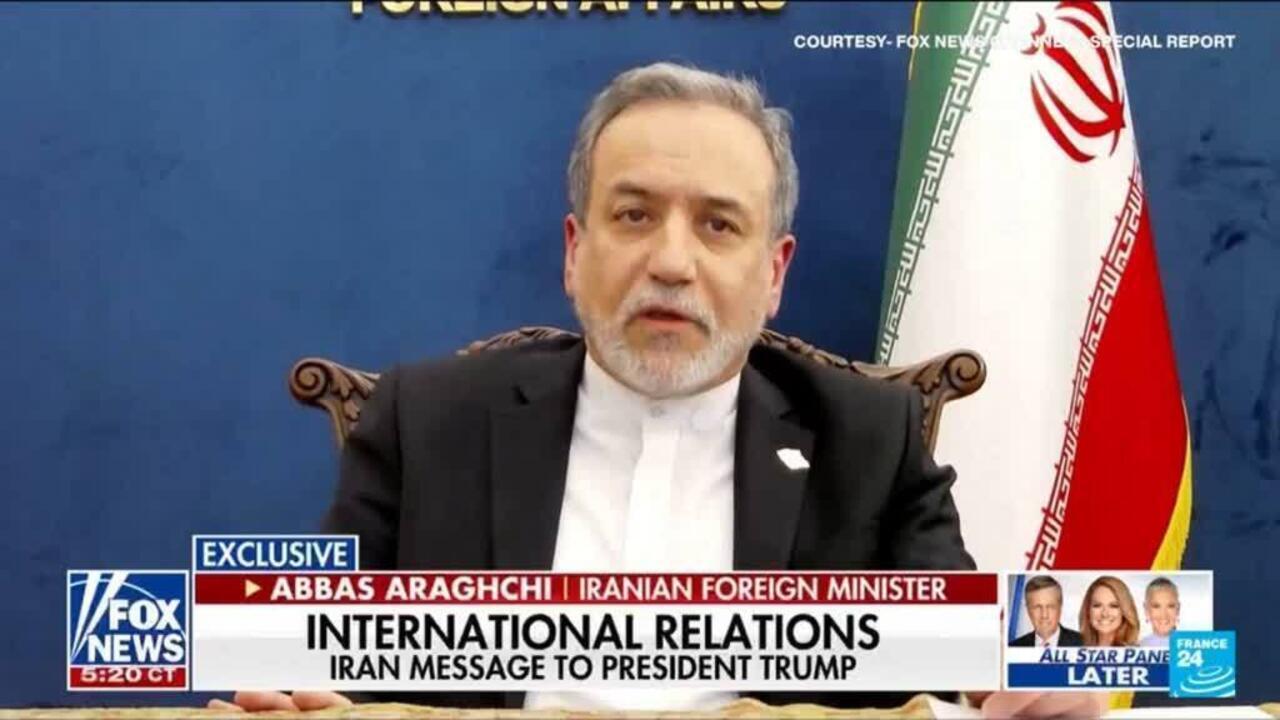
Anadolu Ajansı and PressTV report Iran’s top diplomat Abbas Araghchi urged the U.N. and foreign ministers to condemn what he called "foreign interference" in protests while stressing Iran remains ready for talks even as it prepares to defend itself.

Western outlets report that U.S. rhetoric has eased, with France 24 saying President Trump has reportedly softened talk of an imminent strike on Iran.

Iran closed its airspace to commercial flights.

Commentators in regional media caution there is little appetite among populations for foreign intervention and note that economic grievances are the core driver of unrest rather than external manipulation.

Coverage Differences

Contradiction

Iranian official accounts (Anadolu Ajansı, PressTV) emphasize foreign interference and portray protests as hijacked by violent, externally supported actors, while TRT Afrika and other regional commentators emphasize domestic economic grievances and explicitly say there is “no clear foreign appetite to stoke anti‑regime hostility,” creating conflicting explanations for the unrest.

Tone/Narrative

Western mainstream outlets (France 24) report a reduction in immediate U.S. strike rhetoric — “softened talk of an imminent strike” — while Iranian and allied sources maintain that Washington’s statements remain provocative and threaten escalation; this produces divergent tones about the immediacy and likelihood of military action.

Iranian diplomatic responses and claims

Iranian diplomacy has focused on formal appeals and warnings.

According to Anadolu Ajansı and PressTV, Foreign Minister Abbas Araghchi sent a letter to the U.N. and foreign ministers charging that peaceful protests were "hijacked" and became "ISIS-like, terrorist, and violent," and urging condemnation of external interference.

PressTV repeats allegations that rioters received operational support from Washington and Mossad.

An anonymous senior Iranian official told Reuters that Tehran has directly lobbied Gulf states — naming Saudi Arabia, the UAE and Türkiye — to act to deter any U.S. military move.

Some Israeli and Western sources continue to brief their governments on contingency scenarios.

Coverage Differences

Narrative emphasis

West Asian government‑aligned outlets (Anadolu Ajansı, PressTV) foreground Araghchi’s letter and allegations of foreign sabotage and atrocities, using stark language like “ISIS‑like” and listing alleged atrocities; Western mainstream reporting focuses more on external monitoring and contingency briefings (The Journal, Reuters via افغانستان اینترنشنال) and on human‑rights costs, creating different emphases.

Missed information/ambiguity

No source in the provided snippets quotes a direct response from the named Gulf governments (Saudi, UAE, Türkiye) confirming they are mobilizing to block a U.S. strike; the reporting instead cites Iranian requests and unnamed briefings, leaving actual Arab state actions unclear.

Disputed casualty figures

Western human-rights and casualty reporting portrays the unrest and the government response very differently from Iranian official claims.

The Journal compiles external monitoring and rights-group tallies that suggest a severe crackdown.

Those sources cite Norway-based Iran Human Rights' estimate of at least 3,428 protesters killed, more than 10,000 arrests, a 144-hour internet blackout recorded by NetBlocks, and AFP-verified footage of bodies in a morgue.

Independent outlets such as CityNews relay individual accounts of civilian deaths and blocked medical care.

HRANA provides a different, lower toll of roughly 2,615 fatalities in its reporting.

Coverage Differences

Contradiction/Tone

Western mainstream (The Journal, AFP cited) emphasizes high casualty figures, rights abuses and evidence like morgue footage and blackouts; Iranian state and aligned outlets (Anadolu Ajansı, PressTV) frame responses as necessary law‑enforcement action against foreign‑backed terrorists, thus sharply contrasting on culpability and scale.

Missed information/ambiguity

Casualty totals vary by source (HRANA vs. Iran Human Rights vs. government silence), and many figures cannot be independently confirmed in the snippets provided, creating uncertainty over the true scale of deaths and arrests.

Regional responses to Iran

Regional commentators and analysts say Arab and other U.S. partners face a difficult choice: distance themselves from a possible U.S. strike or risk becoming targets themselves.

Afghanistan International reports that Tehran warned allied territory could be considered legitimate targets and urged countries such as Saudi Arabia, the UAE, and Türkiye to prevent a U.S. attack on Iran.

None of the cited sources contains a direct public statement from those Gulf capitals confirming they will mobilize militarily or diplomatically as Tehran requested.

France 24 reports a softening in U.S. strike rhetoric, and Tehran says it remains open to talks even as it warns it will respond to any attack.
Coverage Differences

Missed information/ambiguity

The central claim that Arab states are ‘mobilizing’ to block a U.S. attack rests in the snippets on Iranian appeals and unnamed briefings rather than on explicit confirmations from Saudi Arabia, the UAE or Türkiye — creating ambiguity about actual Arab state actions versus Iranian requests or warnings.

Unique/off‑topic coverage

Some outlets in the set (Middle East Monitor, India Today) did not provide usable articles in the snippets and instead requested the text or link, so their perspectives are absent from the available coverage and cannot be used to corroborate claims about Arab state mobilization.

All 13 Sources Compared

Anadolu Ajansı

Iran’s foreign minister urges UN chief, counterparts to condemn ‘foreign interference’ amid unrest

Read Original

Arab News PK

Saudi, Iranian foreign ministers discuss regional developments in phone call

Read Original

CityNews Winnipeg

Canadian dead as Iran cracks down on anti-government protests: Foreign Affairs Minister

Read Original

France 24

Iran's foreign minister speaks to Donald Trump through Fox News

Read Original

India Today

Iran Protests Live: China urges restraint, dialogue in call with Iran's foreign minister amid tensions

Read Original

Middle East Monitor

Turkiye opposes ‘any military intervention’ against Iran: Foreign minister

Read Original

Press TV

FM Araghchi censures US ‘meddlesome, provocative’ policies towards Iran's internal affairs

Read Original

PressTV

Iran calls out US, Israeli roles in Daesh-like violence of rioters in letter to UN

Read Original

Swarajyamag

Iranian Foreign Minister Calls Jaishankar Amid Ongoing Protests In Iran

Read Original

The Journal

Iran's foreign minister took to Fox News to insist 'no hanging, today or tomorrow'

Read Original

TRT Afrika

Türkiye opposes 'any military intervention' against Iran: Foreign Minister Fidan

Read Original

TRT World

Türkiye opposes 'any military intervention' against Iran: Foreign Minister Fidan

Read Original

افغانستان اینترنشنال

Saudi, Iranian Foreign Ministers Hold Call On Regional Stability

Read Original