
Europe · 04 May, 2026 · 6 min read
Archaeologists Recover More Than 3,150 Viking Silver Coins Near Rena in Østerdalen
Near Rena in Østerdalen, Norway, the largest Viking Age coin hoard was found. Coins originate from England, Denmark, Germany and Norway.
Dating and estimated deposit year of the hoard.
5 of 7 outlets skipped it: hoard likely formed around 1050/1047 specifically as part of the transition timing; some sources frame it as explicitly tied to coin-minting beginnings in the region..
12outlets compared
Same story, two versions
tap a side to read it in full
Popular Mechanics
““Experts from the University of Oslo’s Museum of Cultural History believe the treasure was deposited near Rena, in what’s now the county of Innlandet, around 1047, shortly after the time when coins started to be minted in the region.””Read the original ↗
Archaeology News Online Magazine
““Based on the latest coins in the deposit, experts believe someone buried the hoard around 1050, near the final phase of the Viking Age.””Read the original ↗
The deposit-year estimate (e.g., ~1047 vs ~1050) frames the hoard’s interpretation relative to Harald Hardrada’s monetary reforms; small shifts affect how the find is used to date the transition from foreign to national coinage.
Viking hoard in Norway
Archaeologists and metal detectorists have been working on what multiple outlets describe as the largest Viking Age coin hoard ever found in Norway, discovered in a field near Rena in Østerdalen.
“over 3,000 silver coins”
Popular Mechanics says two registered metal detectorists located “over 3,000 silver coins” near Rena, and that the find is “the largest Viking Age coin hoard ever discovered in Norway.”P
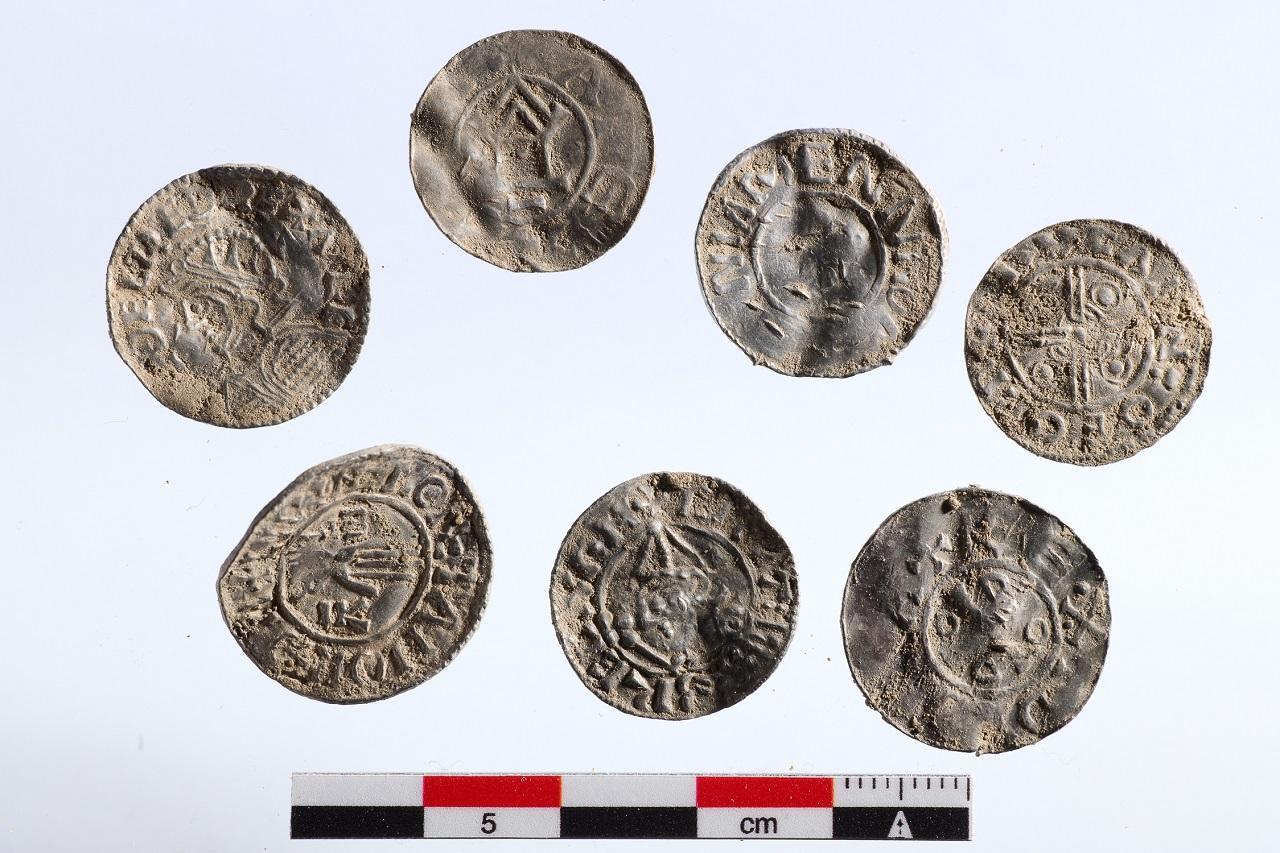
The Popular Mechanics account traces the hoard’s growth from “19 silver coins” to “70” within a day, and then to “passed 3,000” just weeks later, while the search continues.
Archaeology News Online Magazine similarly reports that archaeologists have recovered “more than 3,150 silver coins” from a field near Rena, calling it “the largest Viking Age coin hoard ever recorded in the country.”A
Medievalists.net adds that the discovery was first presented publicly “last week,” and that archaeologists are working with metal detectorists, the Museum of Cultural History in Oslo, and the Directorate for Cultural Heritage to investigate the site and recover remaining coins.
Several sources also tie the hoard to a specific time window: Popular Mechanics says experts believe it was deposited “around 1047,” while Archaeology News Online Magazine states the Coin Cabinet at the Museum of Cultural History in Oslo dates the coins “from the late 10th century to around the 1040s.”
In parallel, Interesting Engineering says the hoard contains between “2,970 and 3,150 pieces,” and that archaeologists are still on-site expecting to unearth even more coins.
How the hoard was found
Accounts of the discovery emphasize the initial detection and the rapid escalation in coin counts once archaeologists joined the search.
Popular Mechanics says the two metal detectorists were searching in a field near Rena, in a valley called Osterdalen, when their devices “went berserk with beeping noises,” and that the pair “immediately alerted local authorities.”P

It adds that the find was kept secret “to help secure the site,” and that experts believe the area had “never been searched by metal detectorists before.”
Archaeology News Online Magazine provides a similar timeline, saying the find began on “April 10” when two metal detectorists, “Rune Sætre and Vegard Sørlie,” located “19 silver coins” while surveying farmland at “Mørstad in Østerdalen.”
That outlet says the team stopped searching and contacted county archaeologists, and that the number rose to “70 coins on the first day,” then “passed 500,” “then 1,000,” and “later exceeded 3,000.”
Interesting Engineering also names “Vegard Sørlie and Rune Sætre” and says they uncovered “19 silver coins” on “April 10,” with the number growing to “70,” “then to 500,” and “eventually to over 1,000.”
Popular Mechanics says the coins look “almost newly minted” and credits “rock-free soil for the preservation,” while Stile Arte says “stone-free soil” prevented the silver pieces from deforming.P
Dating, rulers, and origins
Multiple outlets describe the hoard’s composition as a mosaic of coins minted under well-known rulers and from different regions across medieval Europe.
“mostly from England and Germany”
Popular Mechanics says the coins found in the hoard come “mostly from England and Germany,” with “a few examples” from “Denmark and Norway,” and it lists coins minted under “Knut the Great, Aethelred II, Otto III, and Harald Hardrada.”P
It also states that “The coin hoard includes coins from the 980s to the 1040s,” and that “Foreign coinage dominates the circulation of money in Norway up until Harald Hardrada (1046-1066) established a national coinage.”
Archaeology News Online Magazine similarly says the Coin Cabinet at the Museum of Cultural History in Oslo date the coins “from the late 10th century to around the 1040s,” and that most were minted in “England and German territories,” with smaller numbers from “Denmark and Norway.”A
Medievalists.net adds that the hoard contains coins dating “from the late 10th century through to the 1040s,” and that “Foreign coinage dominated circulation in Norway until Harald Hardrada (1046–1066) established a national coinage.”
Interesting Engineering frames the hoard as reflecting a turning point between the “980s and the 1040s,” when “foreign currency dominated” and Norway would establish its own mint, and it says most were minted under “Cnut the Great (the height of Viking power), Æthelred II, Otto III, and others.”
Stile Arte describes “hacksilver, i.e., cut and weighed silver,” while Archaeology News Online Magazine says the deposit was likely intentionally hidden as a store of value.A
Officials and archaeologists react
The discovery has prompted direct statements from officials and archaeologists, with outlets quoting named individuals about the significance of the find and the need for careful handling.
Popular Mechanics quotes Andreas Bjelland Eriksen, minister of climate and environment for the Innlandet County Authority, saying, “This is a historic discovery,” and adding that “The fact that it is also from the Viking Age makes it even more spectacular.”P

It also includes a quote from local archaeologist May-Tove Smiseth, who says, “This is completely unprecedented,” and later describes the experience as “a great experience, both professionally and personally.”
Medievalists.net also quotes Andreas Bjelland Eriksen as saying, “This is a historic discovery,” and quotes Smiseth describing the hoard as “a kind one might experience only once in a career.”
For the institutional side of cultural heritage protection, Medievalists.net quotes Director General for Cultural Heritage Hanna Geiran saying, “It is crucial that specialists are allowed to investigate the find properly and gain as much knowledge as possible,” and it quotes her again: “Finds of this kind are automatically protected under the Cultural Heritage Act.”
It also says Hanna Geiran stressed that “the site should not be visited,” and that the hoard is under guard and closed to the public.
Interesting Engineering adds that Smiseth described the find as “a once-in-a-lifetime” discovery and says archaeologists are “officially guarding the area,” while Archaeology News Online Magazine says the site is protected under Norwegian cultural heritage law and remains closed to visitors.A
What happens next
Looking ahead, the sources describe ongoing investigations, continued recovery work, and restrictions on access while archaeologists study the hoard’s context.
“Work will continue at the site”
Popular Mechanics says “Work will continue at the site,” and that the location “isn’t publicly known and access has been restricted,” while excavations continue to reveal additional coins “likely churned up by plowing over the centuries.”P
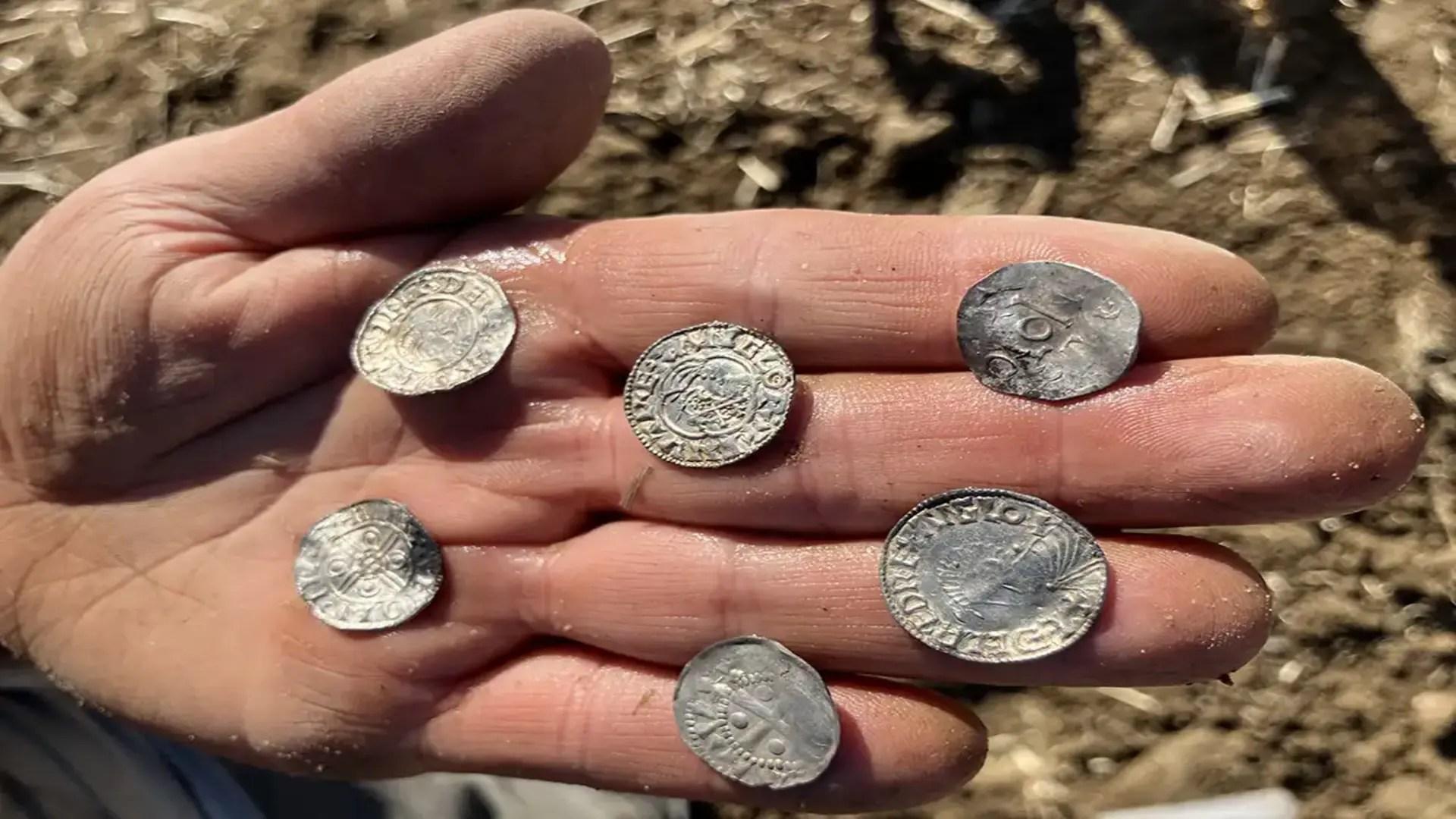
Archaeology News Online Magazine says “Work at the site is still ongoing,” and that archaeologists expect more coins to appear as the search continues, with the final number “has not yet been reached.”A
Medievalists.net says archaeological investigations are still ongoing, with specialists working to determine “the full extent and context of the hoard,” and it states that “For security reasons, the site is currently under guard and has been closed to the public.”
It also reports that the Norwegian Ministry of Cultural Heritage has announced “funding of 1.2 million kroner ($130,000 US) to support continued research on the site,” with the funds used for “archaeological investigations and ground-penetrating radar surveys.”
Stile Arte similarly says the area remains under surveillance and that investigations have ruled out that the treasure was located inside a building, adding that “The investigations have ruled out that the treasure was located inside a building.”
Interesting Engineering says archaeologists are still conducting investigations onsite and expecting to find more coins, and it describes the hoard as “Mørstad Hoard” while noting that access has been blocked until investigations are complete.