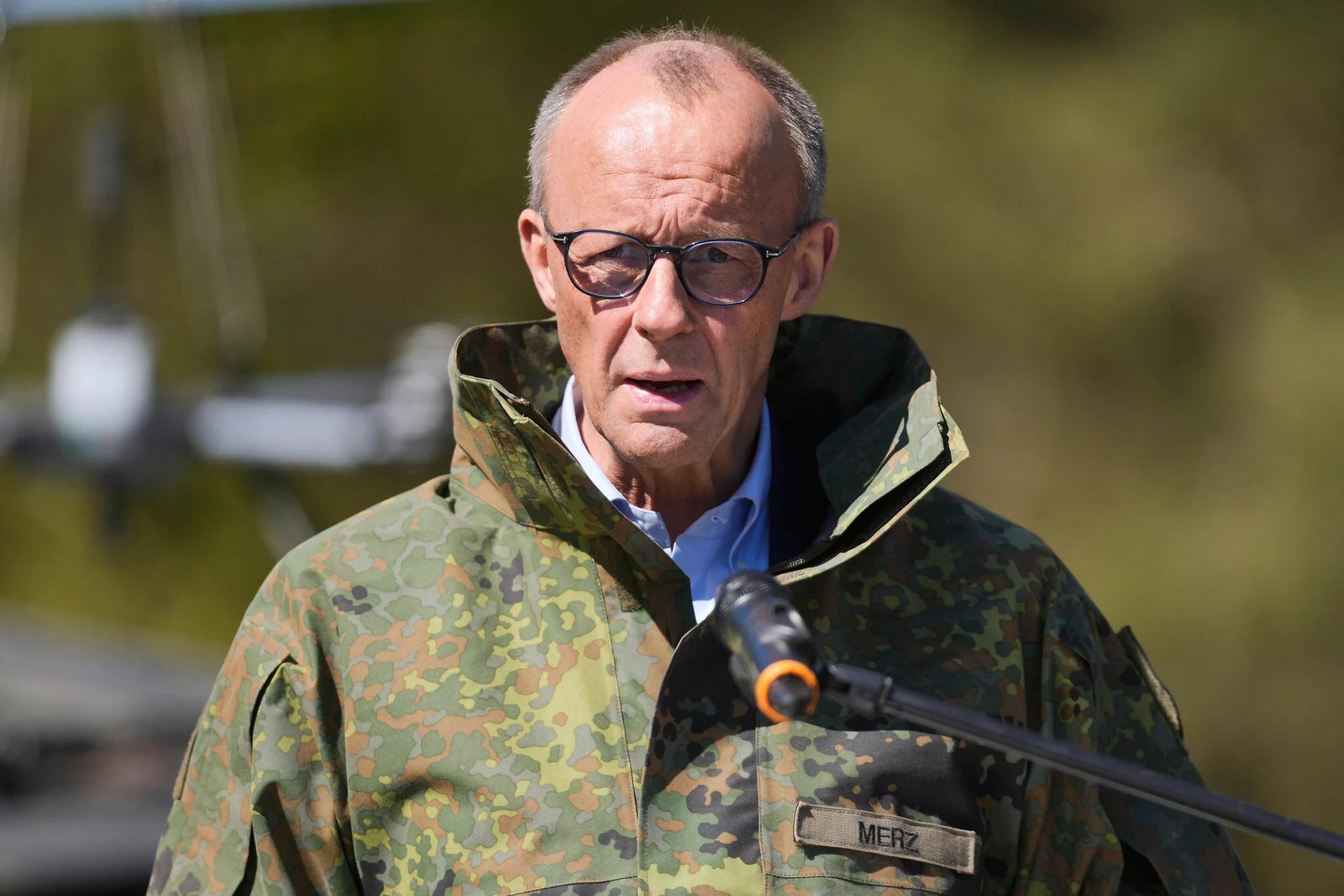
Friedrich Merz Says He Won’t Renounce Working With Donald Trump After Iran Spat
Key Takeaways
- Merz says he will not renounce working with Trump; aims to maintain transatlantic relations.
- He downplays tensions and asserts the relationship remains important, despite Iran war disagreements.
- Disagreement stemmed from Merz's critique of US Iran war planning, triggering Trump clash.
Merz keeps talking to Trump
German Chancellor Friedrich Merz said he would not renounce working with President Donald Trump despite a public spat between the two leaders over the war in Iran, and he framed the relationship as continuing even after recent tensions.
“01:04 01:16 11:35 01:11 02:45 01:22 02:53 23:17 20 Minutes with AFP Published April 30, 2026 at 7:06 PM • Updated May 1, 2026 at 12:38 AM The transatlantic relationship is experiencing a new episode of tension”
In an interview with German broadcaster ARD, Merz told the public broadcaster, "I am not giving up on working on the transatlantic relationship," and added, "Nor am I giving up on working with Donald Trump."
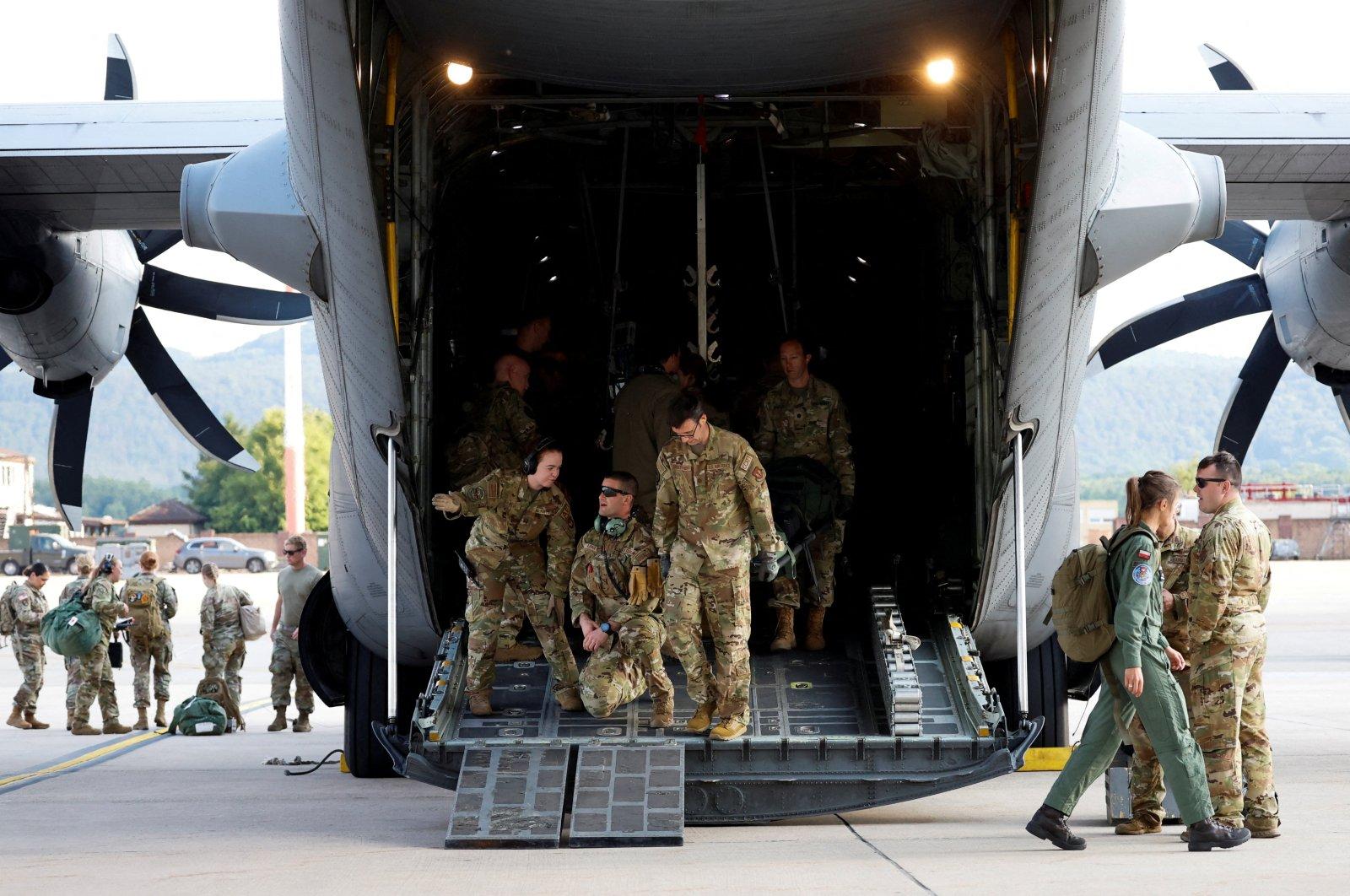
Multiple outlets linked the remarks to a dispute that included Trump’s announcement to pull 5,000 US troops from bases in Germany and Trump’s broader tariff threats toward the European Union.
The Guardian reported that Merz sought to downplay the troop announcement, saying it "may be being exaggerated a bit, but it’s not new," and it also quoted Merz saying the US decision on troops had "no connection" with the recent disagreements.
Le Figaro similarly said Merz told ARD he would continue to work on the transatlantic relationship and would not renounce working with Donald Trump, while La Presse reported that Merz stressed there was "no link" between the Berlin-Washington dispute and the decision concerning the American troops stationed in his country.
In parallel, Giornale di Brescia and Askanews both carried Merz’s position that he would not stop collaborating with Trump, with Giornale di Brescia quoting him: "Non rinuncio a lavorare sulle relazioni transatlantiche. Né rinuncio a lavorare con Donald Trump".
Troops, missiles, and tariffs
The dispute Merz tried to cool centered on multiple linked moves and statements, including troop reductions, missile planning, and trade.
DW reported that Merz downplayed tensions after Trump’s announcement to pull 5,000 US troops from bases in Germany, saying it would not be seen as retaliation and that it had "no connection" with recent disagreements.
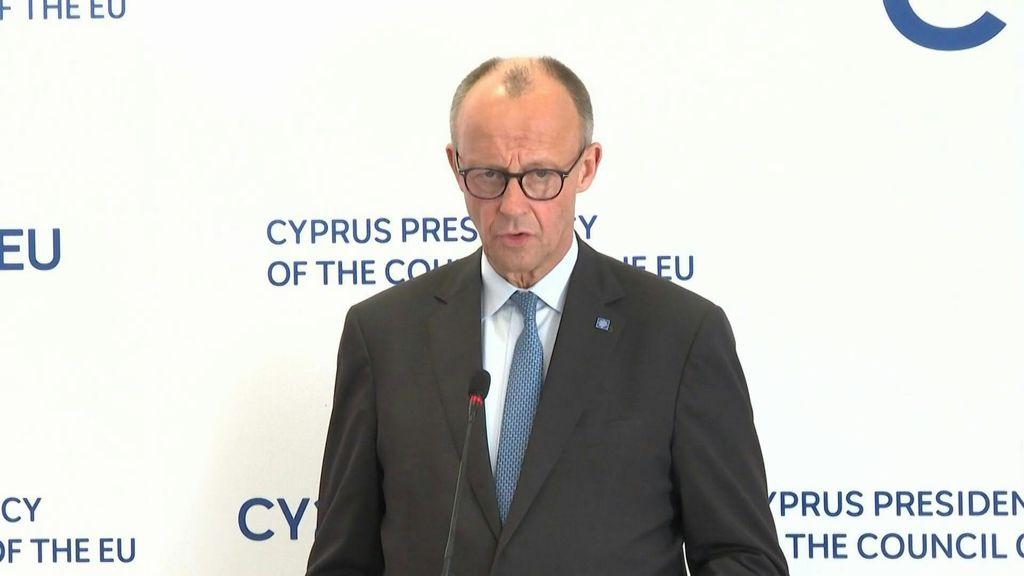
The Guardian likewise said Merz argued the abrupt public announcement should not be seen as retaliation, and it quoted Merz telling ARD host Caren Miosga, "It may be being exaggerated a bit, but it’s not new."
Politico.eu described Merz’s approach as lowering the temperature while still acknowledging friction, quoting Merz: "I believe that a good partnership includes respecting differing views," and adding, "I do that, and I think he does as well — at the moment perhaps a bit less."
On missiles, DW and La Presse both described Merz appearing to confirm that a planned deployment of US long-range Tomahawk cruise missiles to Germany would be called off, with DW quoting him: "As I see it at the moment, objectively speaking, there is hardly any possibility of the US supplying weapons systems of this kind."
On trade, Politico.eu said Trump threatened fresh tariffs on EU exports including cars, and it quoted Merz urging Brussels to move quickly to implement a deal, saying, "To be frank, he is somewhat rightly disappointed that we in the European Union have still not reached a conclusion."
Daily Sabah added a specific tariff figure, saying Trump announced that tariffs on cars and trucks from the European Union will increase to 25% next week.
What triggered the clash
Several outlets traced the immediate trigger for the Merz–Trump clash to Merz’s comments about the Iran war and the negotiating table, and they described how Trump responded with personal attacks.
“© 2026 Cable News Network”
The Guardian said the latest rift came after Merz said on 27 April that Iran was "humiliating" Washington at the negotiating table, and it reported that this provoked angry responses from Washington including Trump’s comments that Merz was doing a "terrible" job as chancellor.
La Presse similarly reported that on April 27, the chancellor said that Iran "humiliated" Washington at the negotiating table, and it said those statements drew sharp comments from Trump who judged Merz was doing a 'deplorable' job.
The Hill added a broader framing, saying Trump repeatedly attacked Merz for comments he made about the U.S. role in the Iran war and quoting a remark Merz made to students in the German town of Marsberg, where Reuters reported Merz said, "An entire nation is being humiliated by the Iranian leadership, especially by these so-called Revolutionary Guards."
The Hill also quoted Merz’s later position that his relationship with Trump "remains good," saying, "From my perspective, my personal relationship with the U.S. president remains good," and it said Merz told reporters he simply had doubts from the start about what was begun with the war in Iran.
DW described Trump’s scolding of Merz after Merz said Tehran was "humiliating" Washington at the negotiation table, and it reported Trump accused Merz of "thinking it is okay for Iran to have a nuclear weapon" and commenting that Germany was doing "so poorly, both economically and otherwise."
Daily Sabah stated Trump renewed criticism of Merz, saying Merz said Monday that Iran was "humiliating" Washington at the negotiating table, and it quoted Trump: "thinks it's OK for Iran to have a Nuclear Weapon. He doesn't know what he's talking about!"
Europe’s response at the summit
While Merz insisted the troop move had "no connection" to the Iran dispute, European leaders used the transatlantic strain to argue for unity and for a stronger European defense posture.
Sky TG24 described an extraordinary European Council on transatlantic relations in Brussels and quoted EU High Representative Kaja Kallas saying, "Transatlantic relations have suffered a hard blow last week."
Sky TG24 also quoted Kaja Kallas warning, "Any division among allies, between the U.S. and Europe, benefits our adversaries."
The same Sky TG24 report quoted Polish Prime Minister Donald Tusk saying, "the objective is to keep Europe united; it works," and it added, "This is one of the most critical moments with our American friends and unity shows that it is the only way to solve this truly strange problem we have today."
At the Brussels summit, Sky TG24 quoted Merz saying, "It has emerged that unity and determination on the part of Europe can indeed produce results," and it linked that to Trump stepping back from Greenland and renouncing imposing new tariffs on February 1.
French President Emmanuel Macron, as quoted by Sky TG24, said, "Let us stay vigilant," and argued that when Europe responds unitedly it can demand respect.
Metsola, also quoted by Sky TG24, wrote on X that "Our position on Greenland has not changed" and said the European Parliament would continue to assess the trade agreement between the EU and the United States and "build bridges with Congress."
How outlets frame the same dispute
Across the coverage, outlets emphasized different aspects of the same underlying conflict between Merz and Trump, from personal diplomacy to strategic uncertainty.
“German Chancellor Friedrich Merz addressed the state of the bilateral relationship with the US on Sunday, in the wake of a public spat between him and President Donald Trump over the war in Iran”
DW and The Guardian both focused on Merz’s effort to downplay tensions, with DW quoting Merz saying, "We have a different view of this war. That's no secret," and The Guardian quoting Merz telling ARD that "I am not giving up on working on the transatlantic relationship" and that the troop decision had "no connection."
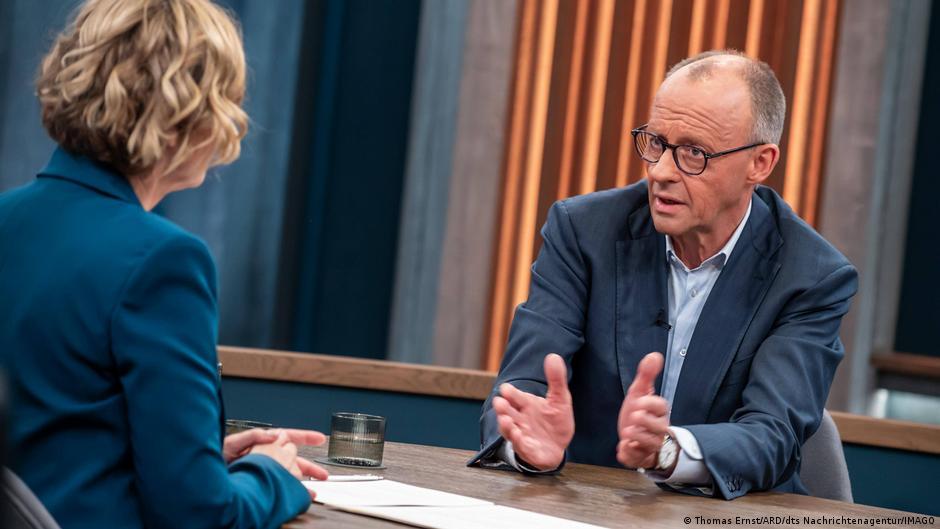
Politico.eu, by contrast, stressed communication style and the idea that Merz would not change how he speaks, quoting him: "I’ll say it better next time. But I won’t say something different."
The Hill framed the dispute as taking a toll on the US-German relationship and included a quote from Atlantic Council’s Jörn Fleck saying, "I think Merz let his guard down by making those comments in a supposedly private setting" and another quote from Council on Foreign Relations’ Liana Fix saying, "I think certainly many German officials were surprised."
Daily Sabah framed the troop drawdown as a growing transatlantic rift and tied it directly to tariff increases, stating the Pentagon announced the withdrawal of about 5,000 troops and that Trump announced tariffs on cars and trucks from the European Union will increase to 25% next week.
Le Figaro and La Presse both presented Merz’s insistence on continued dialogue, but they differed in emphasis: Le Figaro highlighted his willingness to maintain dialogue with Washington despite the Middle East dispute, while La Presse emphasized Merz’s claim that the troop dispute had "no link" to the Berlin-Washington dispute.
Askanews and Giornale di Brescia both carried Merz’s Italian-language statement that he would not give up on transatlantic relations and would not give up on working with Donald Trump, reinforcing the same message in a different editorial packaging.
More on Europe
Rangers Confirm Derek McInnes As Men’s First-Team Manager After Danny Rohl Joins RB Salzburg
10 sources compared
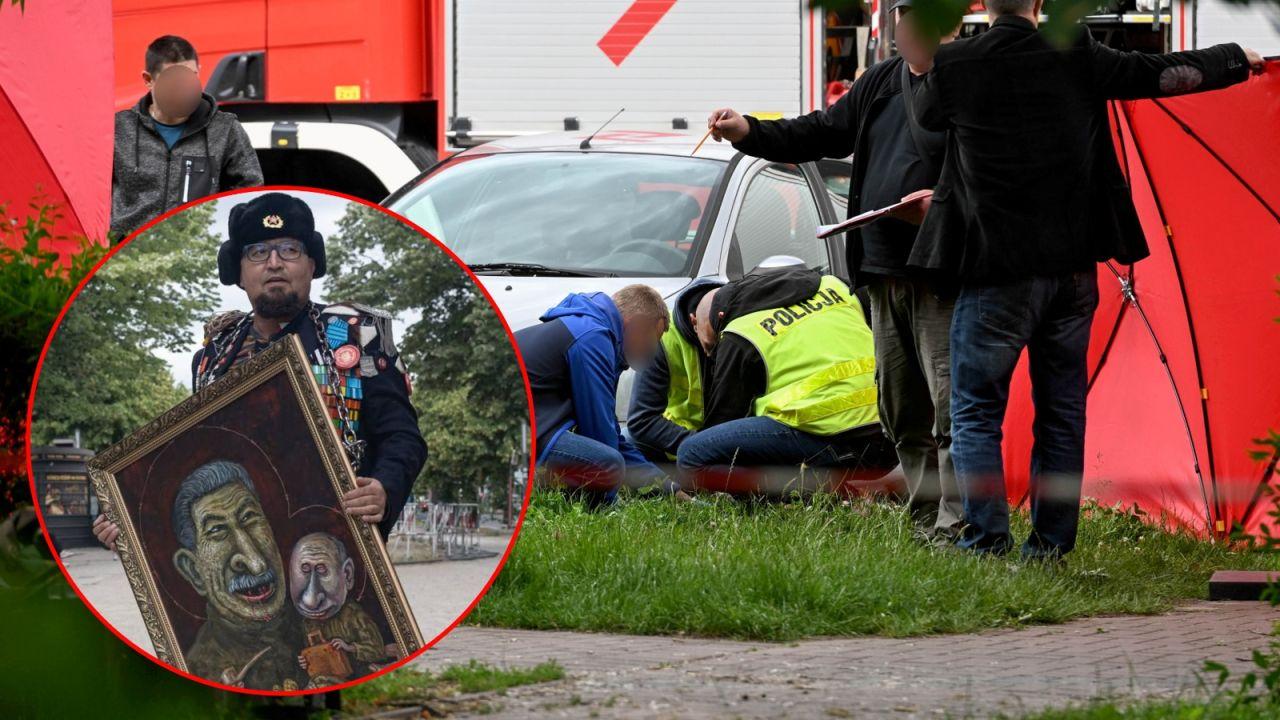
Gunman Kills Russian Kremlin Critic Semyon Skrepetsky in Biała Podlaska
10 sources compared
Russian Admiral Grigorovich Fired Warning Shots At UK-Registered Yacht In English Channel
34 sources compared

Crystal Palace Appoint Pierre Sage As Head Coach On Three-Year Deal
11 sources compared