Europe · 02 May, 2026 · 7 min read
Tangier Med Port Prepares More Ship Arrivals as Strait of Hormuz Crisis Reroutes Traffic
Hormuz crisis diverts shipping routes through Gibraltar. Ports like Tangier Med and Málaga prepare to receive more ships.
11 of 12 outlets skipped it: tangier Med Port’s specific operational/forecast details: focus on capacity management to prevent congestion; no cancellations yet; full impact expected in second half of April 2026..
12outlets compared
Same story, two versions
tap a side to read it in full
France 24
““Experts classify Hormuz as a natural strait governed by the United Nations Convention on the Law of the Sea, which guarantees freedom of navigation, similar to the Strait of Gibraltar, which serves as a model for stable natural passages, where official procedures are limited to fees for 'technical and administrative services' rather than for crossing the open waters themselves.””Read the original ↗
Newtral
““The Strait of Hormuz has captured international attention in recent weeks due to the impact its blockade is having on the global economy. Although it is one of the main bottlenecks in global maritime transport, it is not the only one.””Read the original ↗
France 24 frames Hormuz primarily through international-law governance and navigation rules, while Newtral frames the same geopolitical object primarily through economic choke-point metrics and blockade impacts. This shifts audience understanding from legal regime comparison to trade disruption quantification.
Rerouting Europe’s Shipping
Europe’s maritime economy is being reshaped by rerouted voyages and port capacity shifts tied to the Strait of Hormuz crisis and related regional conflict, according to multiple reports.
“tensions in the region intensify and force maritime shipping lines to reroute their voyages around the African continent”
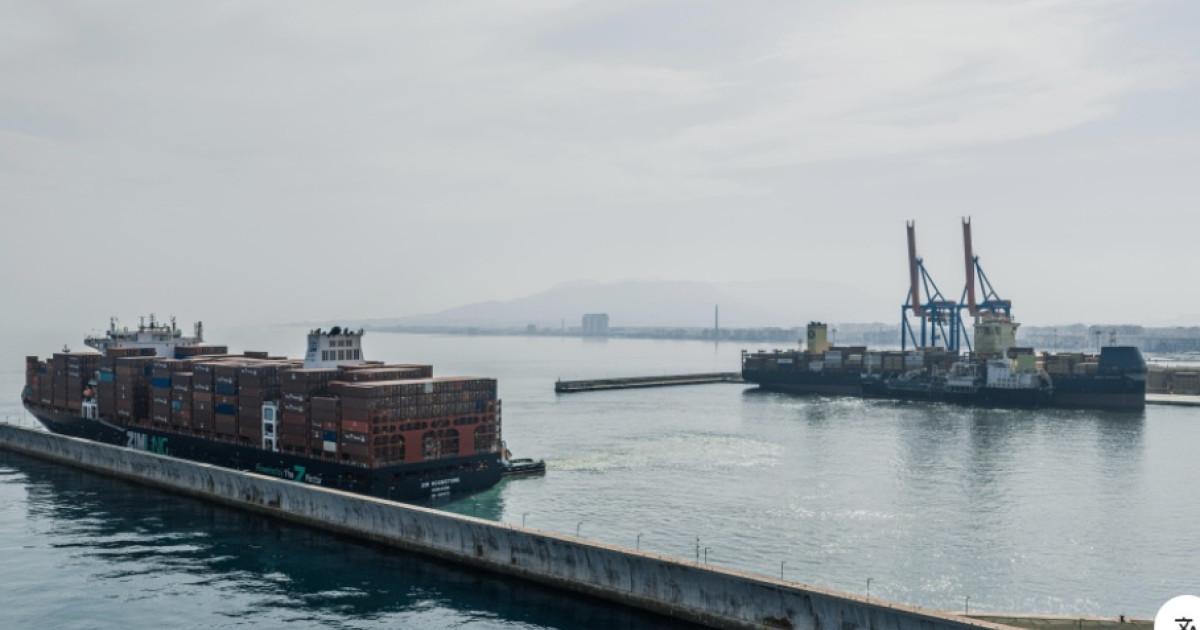
Idriss Arabi, the general manager of Tangier Med Port, said the port is preparing to increase the number of ships it receives as “tensions in the region intensify and force maritime shipping lines to reroute their voyages around the African continent.”

Arabi told Reuters in an email that the detour will “add between 10 and 14 days to the transit time of ships bound for the port,” and he said the port, “located north of Morocco on the Strait of Gibraltar,” is focused on “capacity management and preventing congestion.”
The same Reuters reporting said major container lines including Maersk, Hapag-Lloyd, and CMA CGM announced this month that ships are rerouting to the Cape of Good Hope route, while ships have been avoiding the Suez Canal and the Bab al-Mandeb Strait since late 2023 due to Houthi attacks.
Al Arabi Al Jadid’s Reuters-linked framing also tied the shift to “the closure of the Strait of Hormuz,” saying it “amplified this shift” and that higher fuel costs have increased pressure on shipping rates.
Arabi added that carriers imposed additional charges ranging from “$1,500 to $3,300 per standard container,” and charges for specialized equipment rising to around “$4,000.”
In parallel, El Debate reported that the Port of Málaga is preparing to receive more ships because the war in Iran diverts traffic via Gibraltar, with shipping companies contacting the port authority to request extra cargo space as the Strait of Hormuz is blocked.
Gibraltar’s Strategic Pull
As shipping lines reroute around Africa, Gibraltar’s role as a European strategic corridor is being highlighted in reporting that links Hormuz-era disruptions to the western Mediterranean and Atlantic routes.
A report in thediplomatinspain described Gibraltar as having “re-activated strategic interest” after Brexit, saying Britain’s exit from the European Union turned the future of the Rock into “a question that transcends the traditional sovereignty dispute” and is now “embedded in a broader context of negotiation among London, Madrid, and Brussels.”
The same analysis said “a significant portion of international trade connecting the Atlantic with the Mediterranean passes through it,” and it framed the strait as sitting “at the crossroads of several geopolitical dynamics: control of sea routes, energy security, management of migratory flows, and naval presence of various powers.”
Al-Jazeera Net reported that the Strait of Gibraltar remains “one of the world's most important maritime arteries,” through which “around 100,000 ships pass each year,” and it said readiness levels have been raised in “round-the-clock operations rooms” to keep navigation smooth and “minimize disruptions to global supply chains.”
In that account, Captain of the Port of Gibraltar John Giu said the strait’s “strategic location provides a degree of insulation from international volatility,” while also warning that it “does not fully shield the passage from the effects of shifts.”
The same Al-Jazeera Net report added that the strait’s importance extends beyond sea lanes, noting it is “a vital corridor for US military aircraft heading to the Middle East” and that “Spanish restrictions on its use apply.”
Separately, Europa Sur described a real-time incident in the Tarifa Traffic Separation Scheme, saying a merchant vessel suffered a breakdown “just 2.7 miles from the coast” and that the Tarifa Rescue Coordination Center assumed monitoring and activated a preventive deployment.
Hormuz Pressure and U.S. Moves
Beyond commercial shipping, European-facing maritime routes are also being affected by U.S. naval movements described as designed to avoid sensitive chokepoints tied to Iran.
“turned to veer around the African continent instead of crossing the Mediterranean Sea and the Suez Canal”
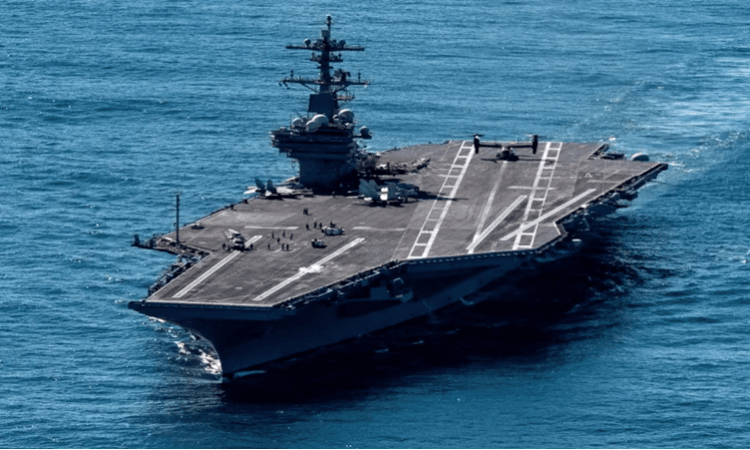
Mer et Marine, via theالعين الإخبارية report, said the U.S. aircraft carrier George W. Bush changed course unexpectedly and “turned to veer around the African continent instead of crossing the Mediterranean Sea and the Suez Canal, on its way to the Middle East operating area.”
The same report said observers had been tracking the carrier through the Strait of Gibraltar but “it ultimately headed south toward Africa,” and it framed the move as part of a plan “to bolster the U.S. military presence in the Middle East as part of the war against Iran.”
The report said the carrier left its Norfolk, Virginia base on “March 31,” and it described the usual path as via “the Mediterranean, then the Suez Canal, reaching the Red Sea,” which made the Gibraltar passage an expected step.
It also tied the timing to negotiations, saying the route could provide “an element of surprise” and that it might be “intentional to increase pressure at a sensitive political moment in the negotiations between Washington and Tehran.”
The U.S. Naval Institute is quoted in the٢٦ سبتمبر نت report as acknowledging that “the aircraft carrier USS George H.W. Bush did not pass through the Strait of Gibraltar into the Mediterranean,” and it added that the Bush and escorts “are sailing around the African continent to avoid passing through Bab al-Mandeb and the Red Sea.”
That same report claimed “no American aircraft carrier has crossed Bab al-Mandeb since Eisenhower’s crossing in December 2023,” and it linked the avoidance to concerns about being targeted by Yemeni armed forces.
Port Economics, Insurance, and Delays
European ports are being pulled into the Hormuz disruption through both capacity requests and the economics of risk, insurance, and transit time.
El Debate said shipping companies have contacted the Port Authority to request extra cargo space because of the blockage of the Strait of Hormuz, describing the route as one through which “about 20% of global oil passes,” and it said Málaga is “beginning to feel the tremor of a conflict that is more than 6,000 kilometers away.”

The report claimed “the closure of the Strait of Hormuz” is reshaping global maritime transport and placing Málaga “in an unexpectedly strategic position,” while it said “the shipping lines are asking to be allowed to carry more containers.”
It also asserted that major carriers including “the Mediterranean Shipping Company (MSC) and Maersk” have “already suspended transit through the area,” leaving “around 150 vessels immobilized in the vicinity.”
El Debate warned that insurance providers are “fleeing,” and it said war-risk premiums have increased from “0.25% to 0.50% of a vessel’s value per voyage” to “50% to 60%,” while “many insurers have suspended coverage outright.”
In the same report, it said that even if a ship wanted to challenge the blockade, it would be “sailing without a safety net,” and it predicted “a drastic reduction in traffic, a rise in freight rates, and, above all, significant delays in the delivery of raw materials and goods.”
For Andalusia specifically, El Debate quoted Gerardo Landaluce, president of the Port Authority of Algeciras, warning that “the conflict in the Middle East is creating immediate instability and uncertainty for maritime traffic in the Persian Gulf and globally.”
Bottlenecks Beyond Hormuz
European policymakers and markets are also being framed as facing a broader chokepoint problem rather than a single disruption, with Gibraltar appearing in lists of critical maritime choke points.
“Five strategic chokepoints control the world”
Infobae quoted Sir Jacky Fisher saying “Five strategic chokepoints control the world,” naming “Singapore, Cape Town, Alexandria, Gibraltar, and Dover,” and it argued that today “we would add to the list the small island of Hormuz and the strait that bears its name.”
The same Infobae report said the Strait of Hormuz blocks the Persian Gulf’s only maritime outlet and “thereby controlling about a fifth of the world’s oil and liquefied natural gas,” while also stating that “ships still carry about 85% of global export volume.”
It described how maritime trade is threatened by “new dangers,” including cheap technology extending the reach of armed groups at sea, and it said merchant ships on the Asia–Europe route via Bab el-Mandeb have faced “drones and missiles fired by Houthi militants in Yemen” between 2023 and 2025.
Infobae said the Strait, through which “about 9% of world trade used to pass,” now carries “only 4%,” and it warned it will carry even less if Houthis resume attacks in solidarity with Iran.
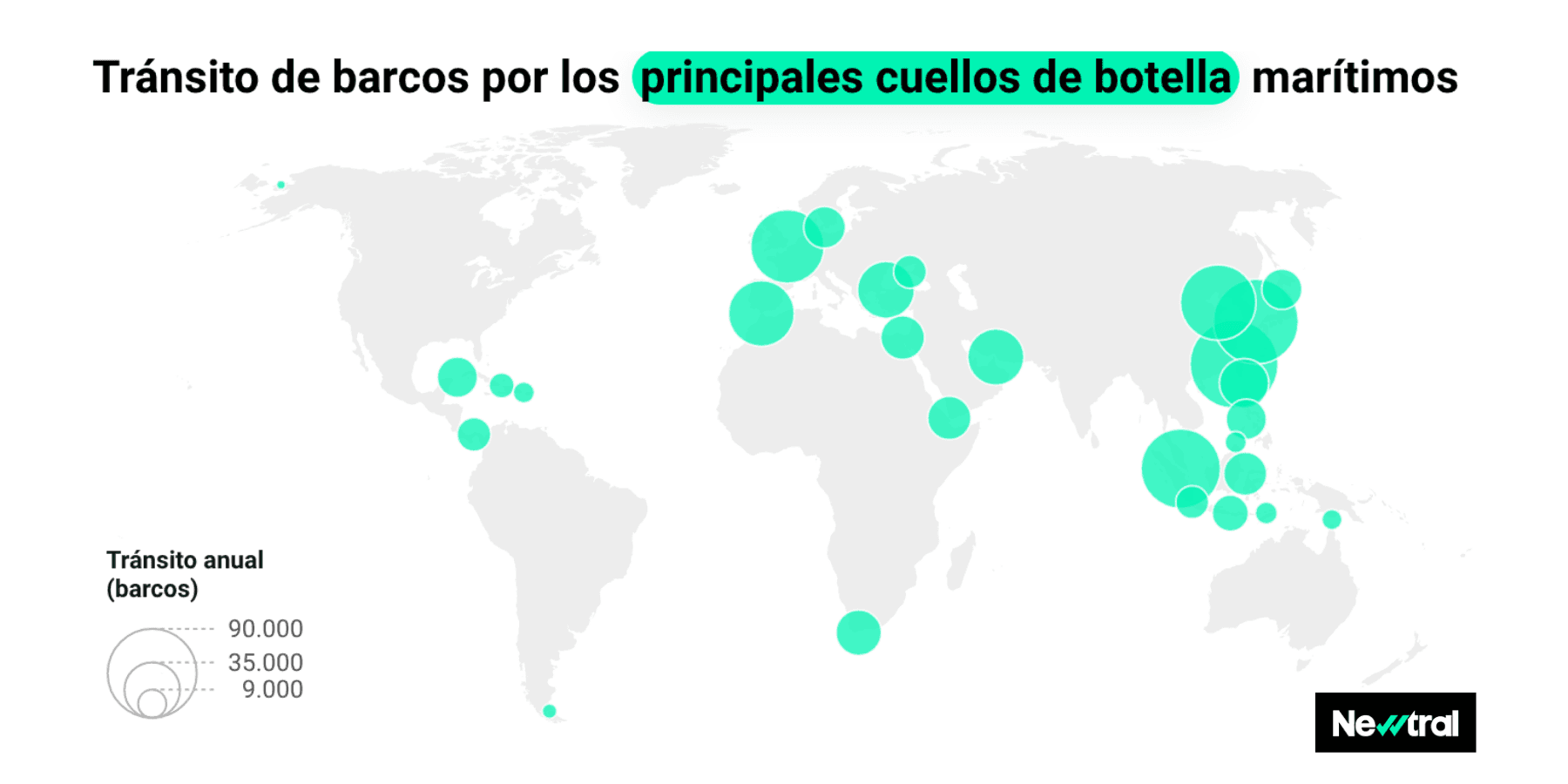
Newtral provided a more quantitative chokepoint framing, saying PortWatch lists “28 chokepoints in maritime traffic,” and it defined bottlenecks as “critical points along transportation routes that facilitate the passage of significant volumes of trade, and that act as vital arteries for world trade.”
Newtral reported that the Strait of Gibraltar is “the sixth busiest chokepoint,” with an annual average of “47,801 ships,” and it said “a third of which are oil tankers.”N