Full Analysis Summary
Attack on refugee girls
On Friday, at least 12 Sudanese girls from the Kounoungo (Konongo) camp near Adré in eastern Chad were reportedly assaulted by an armed gang while collecting firewood.
Refugees described the incident as a "horrific gang rape."
According to reports, eight girls received treatment at the camp’s medical clinic/centre.
Four girls with severe injuries were transferred urgently to Guereda/Guéréda Hospital for intensive care.
Refugees and camp residents have appealed to Chadian authorities and the UNHCR for immediate security improvements.
Coverage Differences
Tone and wording - largely consistent
Both Radio Dabanga (Other) and Dabanga Radio TV Online (Other) use strong, direct language and largely the same factual details; they both report refugees’ description of the assaults as “horrific gang rape” and give the same casualty and treatment counts, though they use slightly different spellings (e.g., Guéréda vs Guereda, Kounoungo vs Konongo). They are reporting refugees’ accounts rather than expressing their own editorial opinion.
Refugee camp safety concerns
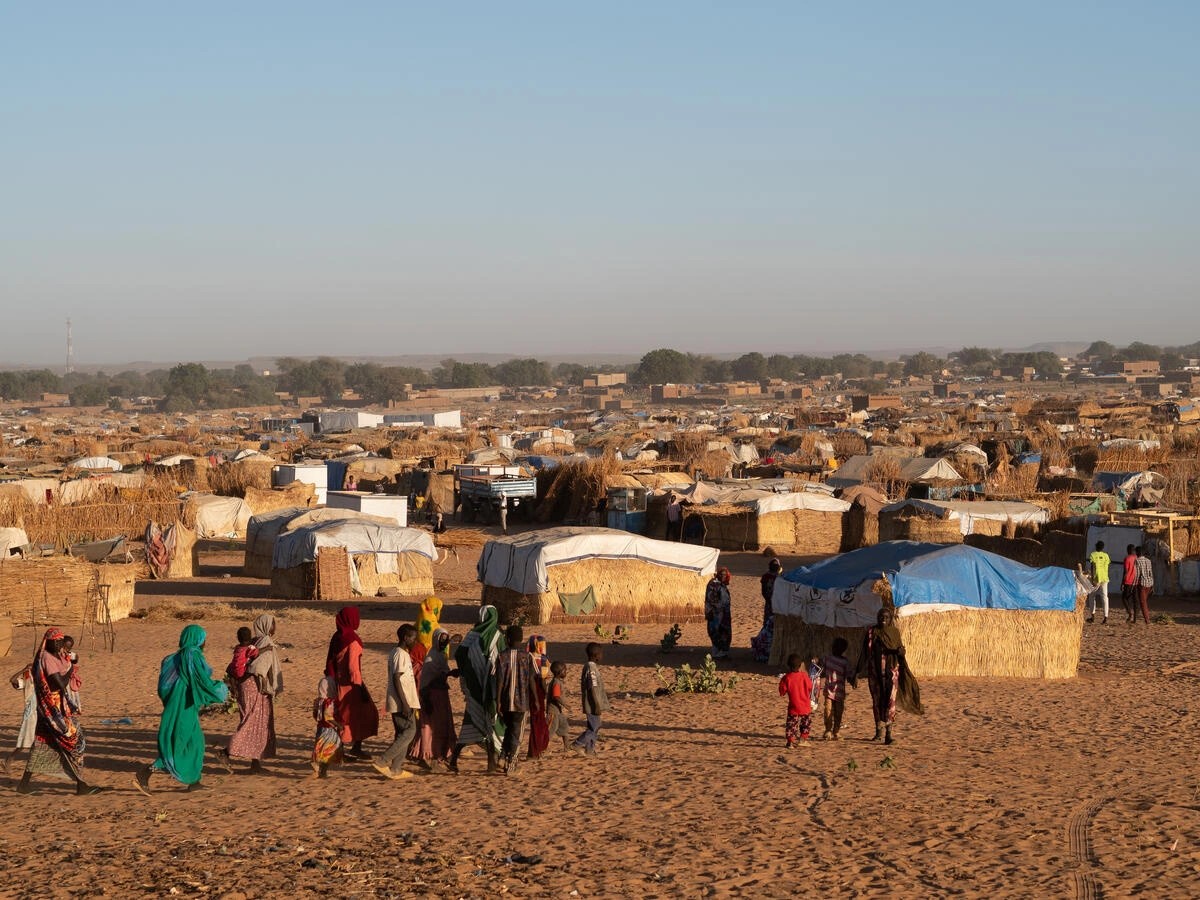
Camp residents say tens of thousands of Sudanese refugees are living in makeshift sites near Adré in eastern Chad.
They say the lack of perimeter security and police presence creates repeated risks, including attacks when people collect firewood.
Refugees are calling for increased police deployment, improved perimeter fencing, and additional logistical support from Chadian authorities and UNHCR to improve safety and living conditions in Kounoungo/Konongo camp.
Coverage Differences
Emphasis and phrasing - consistent appeals
Both sources (Radio Dabanga and Dabanga Radio TV Online) emphasize refugees’ calls for protection and list similar requests: more police, perimeter security and logistical support. The phrasing differs slightly (e.g., “camp medical centre” vs “camp clinic”), but the substance of the appeals is the same and is attributed as refugees’ reports rather than independent verification.
Reports on camp attack
Both reports identify the location as makeshift settlements near Adré and name the affected camp as Kounoungo (also spelled Konongo), reflecting variation in local transliterations.
Both sources report that the girls were attacked while collecting firewood, highlighting the everyday risks refugees face when they must gather fuel outside unsecured camp perimeters.
Coverage Differences
Minor factual presentation - naming/spelling
Both Radio Dabanga and Dabanga Radio TV Online present the camp name with variant spellings (Kounoungo/Konongo) and give the same location (near Adré). This reflects reporting of local place names and does not indicate substantive disagreement, but it is a difference in transcription and presentation.
Medical treatment and transfers
Medical staff in the camp clinic reportedly treated eight of the girls on site.
Four girls with severe injuries were transferred to Guereda/Guéréda Hospital for urgent care.
This suggests the clinic had capacity for immediate treatment but lacked resources for critical cases requiring referral.
Reports convey urgency: Radio Dabanga says the four were transferred "urgently", and Dabanga Radio TV Online specifies they were moved for "intensive care".
Coverage Differences
Detail emphasis - clinical severity wording
While both sources agree on numbers treated on-site and transferred, Radio Dabanga uses the phrasing “transferred urgently to Guéréda Hospital,” whereas Dabanga Radio TV Online specifies the transfers were for “intensive care.” Both are reporting refugees’ or camp accounts of the medical response.
Reporting limitations and gaps
Both reports are limited to refugees' testimony and immediate medical details.
Neither snippet includes an official response from Chadian authorities or UNHCR, nor any independent verification of the perpetrators' identity, leaving key questions unanswered.
The two sources, both labeled type "Other", are consistent with each other in content and tone.
The excerpts show no alternative viewpoints or commentary, underscoring that the public record in these pieces is confined to survivors' and camp residents' accounts and their appeals for protection.
Coverage Differences
Missed information / lack of sources
Neither Radio Dabanga nor Dabanga Radio TV Online provides statements from Chadian authorities or the UNHCR in the excerpts, nor do they identify perpetrators beyond calling them a “gang.” This absence is notable and means the reports rely on refugee testimony; it is not a contradiction but a shared limitation of both pieces.