Sudan22 January, 20262 min read
Armed Groups in North Darfur Block Aid and Trap 2,000 Families, UN Warns
This article is an automated aggregation of coverage from news outlets. Our editorials offer in-depth analysis curated by the NewsCord team.
Escalating conflict in North Darfur is trapping civilians and restricting humanitarian access. OCHA and local partners report at least 2,000 families trapped without aid.
6 outlets told this the same way.
North Darfur aid blockade
The United Nations warned that fighting in North Darfur has cut off thousands of civilians from humanitarian assistance. Local partners say at least 2,000 families are trapped in valleys around Karnoi and Umm/Um Baru, severely impeding aid deliveries. Radiotamazuj quoted the UN deputy spokesperson saying the UN Office for the Coordination of Humanitarian Affairs is worried about thousands of civilians cut off from aid in North Darfur.
“The UN’s deputy spokesperson, Farhan Haq, said OCHA is worried about thousands of civilians cut off from aid in Sudan’s North Darfur State. Briefing in New York, he said fighting has escalated in the state’s northwest and local partners report at least 2,000 families are trapped in the Wadi Qardi and Um Saad valleys in the Karnoi and Um Baru localities.”
The spokesperson added that at least 2,000 families are trapped in the Wadi Qardi and Um Saad valleys in the Karnoi and Um Baru localities. Radio Dabanga and Dabanga Radio TV Online similarly reported that OCHA warned fighting had cut off thousands from aid and that at least 2,000 families were trapped in the Qardi and Umm Saad valleys. One listed source, nagalandtribune.in, did not provide an article text when asked.
North Darfur conflict updates
The geographical details emphasize valleys and localities in northwest North Darfur, naming Wadi/Qardi and Um/Umm Saad valleys in the Karnoi and Um Baru areas. Sources say clashes have escalated there, trapping families and blocking humanitarian routes.
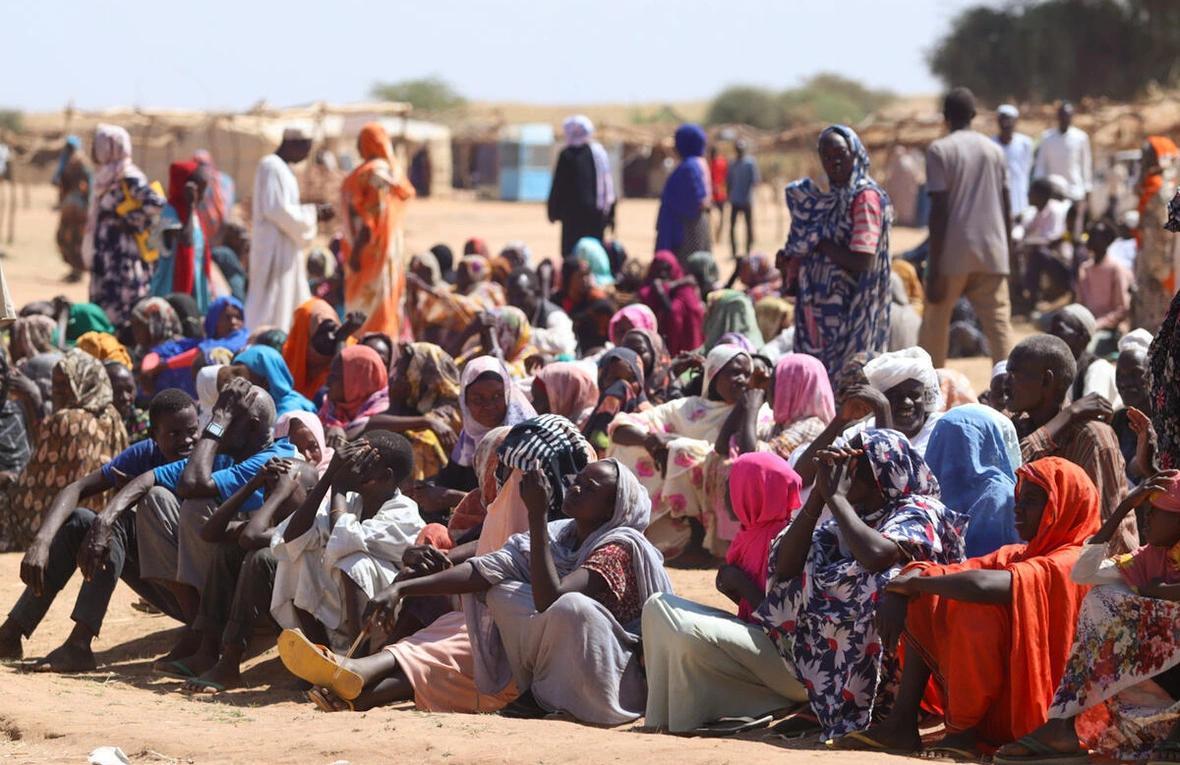
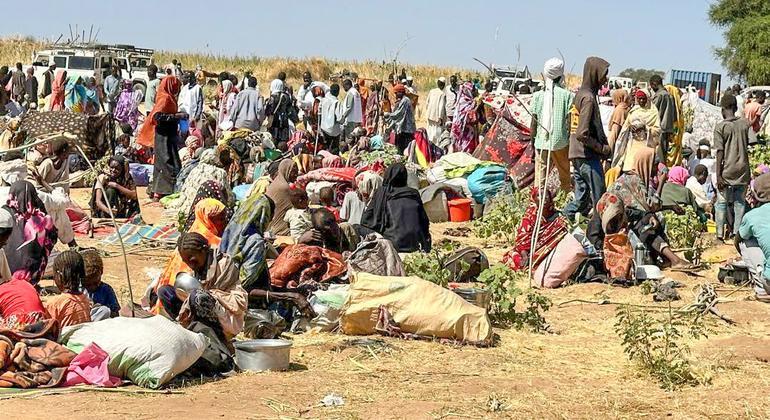
Radiotamazuj frames the issue within a New York briefing and mentions an accompanying UNHCR photo of people who fled El Fasher awaiting assistance in Tawila, providing visual corroboration. Radio Dabanga and Dabanga Radio TV Online repeat the OCHA warning and the trapped-families figure while focusing on access impediments to deliveries.

Humanitarian access and displaced families
All outlets emphasize the humanitarian consequences: OCHA's warning is presented as a serious access crisis, citing ongoing clashes that severely impede humanitarian deliveries and leave many civilians cut off from aid.
“OCHA is worried about thousands of civilians cut off from aid in Sudan’s North Darfur State.”
The repeated figure 'at least 2,000 families' appears across reports, which consistently link the trapped population to valleys in Karnoi and Um Baru and to escalating clashes obstructing relief operations.
Reporting gaps on armed conflict
Available snippets do not identify which armed actors are responsible for the fighting or explicitly name the groups blocking access; they report 'fighting' and OCHA warnings but stop short of attributing responsibility.
This omission is consistent across three reporting outlets with substantive content—radiotamazuj, Radio Dabanga, and Dabanga Radio TV Online—and creates an information gap on perpetrators that affects accountability and operational planning.
North Darfur access crisis
The UN/OCHA warning describes an acute access crisis in northwest North Darfur, with thousands cut off and at least 2,000 families trapped in valleys. Reporting differences are mainly small naming variants and the inclusion of a named UN spokesperson and a UNHCR photo reported by Radio Tamazuj. None of the provided snippets attributes responsibility to specific armed groups.
“The UN’s deputy spokesperson, Farhan Haq, said OCHA is worried about thousands of civilians cut off from aid in Sudan’s North Darfur State.”
The consistent core message across sources is urgent: clashes are preventing life-saving deliveries and isolating vulnerable families. Key operational and accountability details remain unclear in these excerpts.