Full Analysis Summary
Olive harvest access blocked
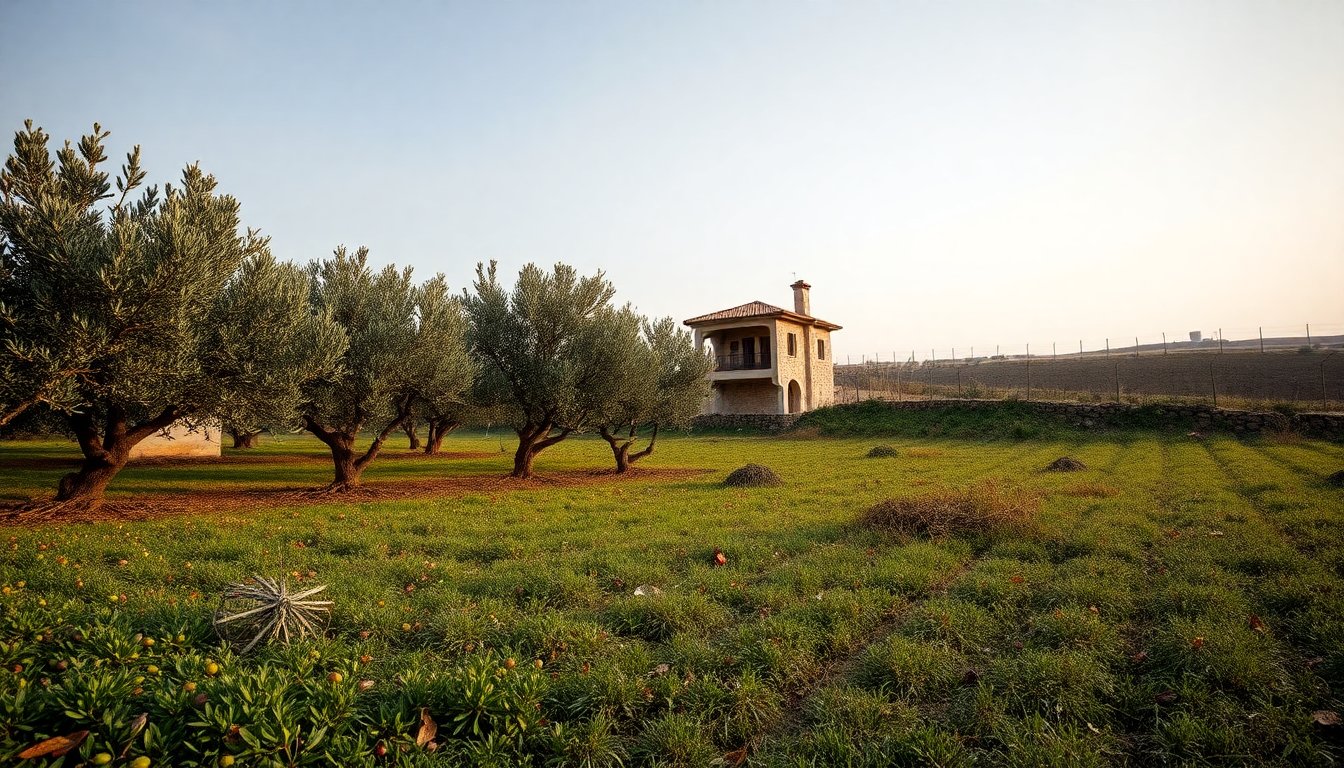
Armed Israeli settlers, frequently backed or accompanied by soldiers, have effectively blocked Palestinian families in Deir Ammar in the occupied West Bank from harvesting ancestral olive groves by seizing land and using military measures to bar access during the olive season.
Sources report that settlers and the army have claimed roughly 7,000 dunams around Deir Ammar.
The army has also declared large areas, including some 25,000 dunams of olive orchards, as closed military zones, issued short-term or retroactive orders during the harvest, and barred pickers from reaching groves.
Coverage Differences
Narrative emphasis / detail
Both sources describe settlers and military actions that prevent harvests, but they emphasize different details: Al Jazeera (West Asian) provides on-the-ground description of settlements/outposts (notably Neria), explicit accounts of soldiers accompanying settlers and the use of short-term/retroactive closed-zone orders during olive season, while newshub.co.uk (Other) stresses the long-term erosion since 1967 and quotes Rabbis for Human Rights’ field coordinator Kai Jack on clear coordination between settlers and military.
Violence preventing harvests
Villagers and named farmers report direct attacks, theft, and intimidation that physically prevented harvesting.
According to witnesses, settlers destroyed trees, stole equipment and produce, released livestock into groves, and physically attacked people trying to reach fields.
Local farmers, such as the Othmans and others, describe losing inherited land and facing settler violence when attempting to pick olives.
Coverage Differences
Detailing victims and incidents
Al Jazeera (West Asian) provides specific accounts, naming farmers (Yousef, Izzat, Ismail, Moustafa) and listing multiple types of attacks and damage, and cites UN OCHA and NGOs documenting hundreds of harvest-related settler attacks; newshub.co.uk (Other) reports family-level impacts (the Othmans) and quotes Rabbis for Human Rights’ field coordinator on coordination, focusing on dispossession and community-level resistance rather than listing many individual names.
Olive harvest economic impact
Harvest losses are severe and have sharp economic consequences.
Villagers estimate about 80% of olives around Deir Ammar went unpicked this season.
The local olive press produced roughly 30 tins instead of the usual 1,000–2,000.
Olive cultivation nationally accounts for about 20% of Palestinian agricultural output.
It is valued at $120–140 million, making the deprivation devastating for families who rely on olive oil sales.
Coverage Differences
Scale and economic framing
Al Jazeera (West Asian) quantifies the scale of loss and situates it within national agricultural economics and NGO/UN data, presenting explicit figures on unpicked olives, press production and sector value; newshub.co.uk (Other) frames these losses within the longer historical context of occupation since 1967 and emphasizes how land confiscation and closed-zone orders steadily erode Palestinian farmland and family livelihoods.
Legal and land access disputes
Organisations and activists have petitioned Israel’s Supreme Court, accusing the army of misusing closed-military-zone orders to produce the practical dispossession of land.
Observers place the most recent denial of harvest access within a broader trajectory of occupation-era land confiscation and settlement expansion since 1967.
Coverage Differences
Action and accountability emphasis
Al Jazeera (West Asian) reports on active legal petitions and NGO documentation and presents the issue as part of a sustained pattern of measures used during harvests; newshub.co.uk (Other) foregrounds the long-term dispossession since 1967 and on-the-ground coordination claims by groups like Rabbis for Human Rights, emphasizing community attempts to salvage and resist loss.