Gaza Genocide04 December, 20252 min read
Armed Rafah Families Kill Israel-Backed Militia Leader Yasser Abu Shabab
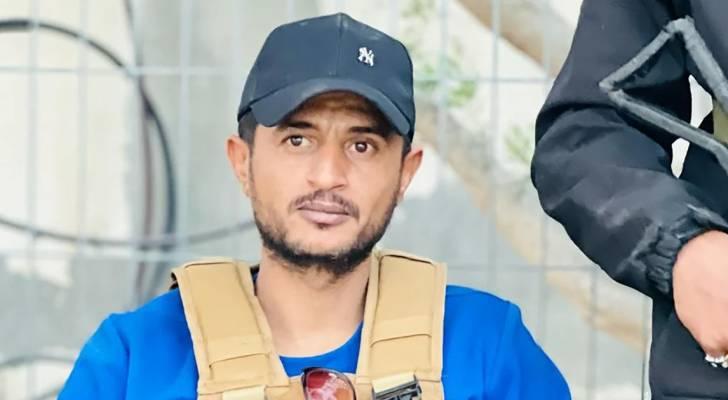
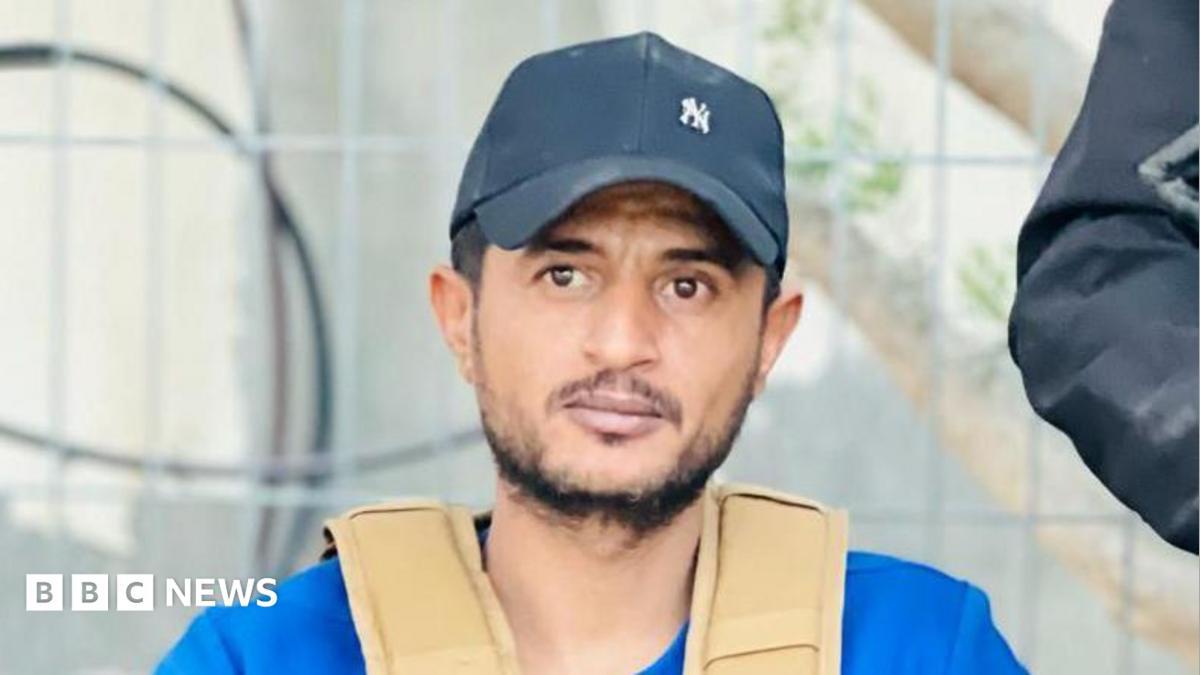
Yasser Abu Shabab led the Popular Forces militia in Rafah and was armed by Israel. He was shot dead in Rafah while trying to mediate a family dispute.

12 outlets told this the same way.
Outlets did split on Israel Marks Oct. 7 Anniversary With Strikes on Gaza, Netanyahu Faces Election After Nova Tribute →
Death of Rafah militia leader
Armed Rafah families and gunmen killed Yasser Abu Shabab, the leader of the Popular Forces militia that operated in Israeli-held Rafah, according to multiple Palestinian and Israeli reports. News outlets reported his death in Rafah’s public areas and noted conflicting accounts about how he died. His own group confirmed the death and said he died while trying to 'de‑escalate a conflict,' while other Israeli sources described the death as resulting from 'internal clashes.'
“Army Radio named Soroka Hospital, but the hospital denied admitting him and his group’s Facebook page gave no confirmation.”
Israeli sources also said Israel tried to evacuate him to a hospital in Israel before he was pronounced dead. Local images and messages of celebration circulated across Gaza after the reports.
Militia collaboration in Rafah
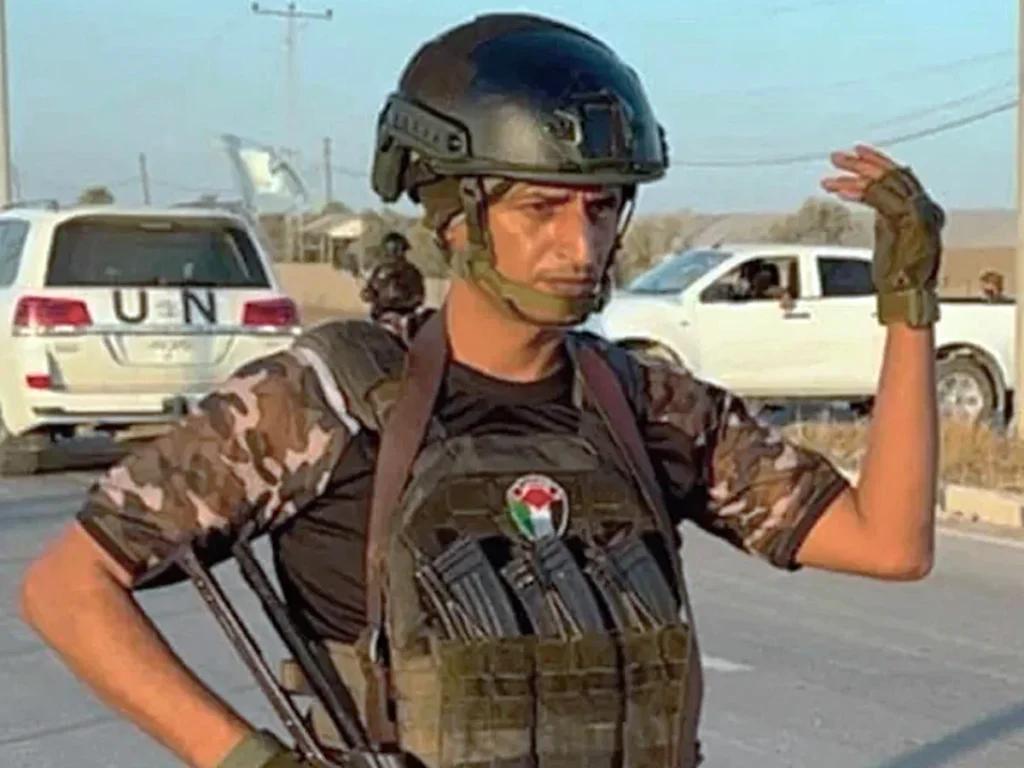
Abu Shabab led a small armed anti-Hamas faction called the Popular Forces. Israeli outlets and analysts say the group cooperated with Israel, receiving weapons, protection and even air cover to operate inside areas under Israeli control. Israeli officials used him as a local counterweight to Hamas and to secure aid and post-war reconstruction areas.
Hamas labeled him a collaborator and ordered his capture or killing. Reporting stresses that his militia operated mainly in Israeli-held parts of Rafah and was viewed by many Palestinians as traitorous.

Allegations against Abu Shabab
Multiple outlets catalogue allegations that Abu Shabab led criminal networks accused of looting humanitarian aid, abducting and killing civilians and fighters, and maintaining ties to extremist groups. İlke Haber Ajansı cites a 2024 UN internal report identifying his militia as a key actor in systematic looting of humanitarian convoys.
“A 2024 UN internal report identified his militia as a key actor in the systematic looting of humanitarian convoys.”
Media Line and Middle East Eye note past criminal allegations and imprisonment under Hamas before his escape during the war. These reports portray Abu Shabab not only as a political collaborator but as the leader of a criminalized network operating with Israeli backing in Rafah.
Implications of Abu Shabab's Death
Abu Shabab’s reported killing has immediate strategic and political implications. CNN and İlke Haber Ajansı note his death could complicate Israeli plans for control and reconstruction in Rafah and label the reported killing a bad development for Israel. Several sources assert Rafah is under Israeli control or a heavy Israeli presence, and that his fighters operated in those Israeli-held zones.
The loss of a locally influential, Israel-backed figure may disrupt Israel’s ability to rely on intermediaries on the ground. Palestinian celebrations and reports of sweets distributed and gunfire followed news of his death, signalling local sentiment toward him.
Reporting and investigation uncertainty
Significant uncertainty remains: Israeli authorities were reportedly investigating and no party immediately and publicly claimed responsibility. Israeli Channel 12 and some Israeli sources initially said he had been evacuated to Soroka Hospital, but the hospital denied admitting him. Hamas issued no immediate confirmation.
“Army Radio named Soroka Hospital, but the hospital denied admitting him and his group’s Facebook page gave no confirmation.”
Media accounts explicitly flagged the conflicting and unverified nature of the reporting. Investigators on both Israeli and local Palestinian sides were said to be trying to verify the circumstances. The lack of a clear, independently verified account means responsibility for the killing remains unresolved in the published reports.