
Armenia in the shadow of the war between Iran, the United States, and Israel
Key Takeaways
- War between Iran, Israel, and the United States risks regional crisis in South Caucasus.
- Armenia has only two open borders: Georgia to the north, Iran to the south.
- Borders with Turkey and Azerbaijan are closed, shaping Armenia's regional vulnerability.
Regional exposure and borders
The outbreak of the war between Iran, Israel, and the United States has placed the South Caucasus on the stage for a potential regional crisis.
“The outbreak of the war between Iran, Israel, and the United States has once again placed the South Caucasus on the stage for a potential regional crisis”
Although Armenia is not directly participating in the conflict, it cannot afford to ignore it: with only two open borders, to the north with Georgia and to the south with Iran, while the western border with Turkey and the eastern border with Azerbaijan remain closed.
That fragile regional balance makes Armenia an actor especially exposed to the geopolitical consequences of an unstable Iran.
Armenia's leadership response
In this context, Armenian Prime Minister Nikol Pashinyan has faced criticism from the opposition and public opinion.
While the conflict erupted in neighboring Iran, Pashinyan and his delegation of ministers and deputies were touring different regions of the country in acts of pre-campaign for the June elections, which his detractors interpreted as a lack of seriousness in the face of a scenario that will have direct consequences for national security.
To silence criticisms of his government, in what has become a habitual exercise of “putting out fires” that he himself has started, Prime Minister Pashinyan stressed that during the week preceding the outbreak of the conflict, the Government continued to monitor the evolution of events in Iran.
In that context, Defense Minister Suren Papikyan traveled to Tehran just four days before the attack carried out by Israel and the United States, where he met with his counterpart Aziz Nasirzadeh.
Energy vulnerability and Iran logistics
The start of the war has had an immediate impact: the rise of gas and fuel on world markets.
“The outbreak of the war between Iran, Israel, and the United States has once again placed the South Caucasus on the stage for a potential regional crisis”
For Armenia, heavily dependent on external energy imports, this phenomenon is truly concerning.
It translates into inflation, higher transportation costs, and direct pressure on consumer prices at a time when the government does not enjoy popularity ahead of the presidential elections.
That energy vulnerability is intimately connected with another reality: logistics.
About 20% of the cargo entering Armenia does so through the 44-kilometer border with Iran.
We are talking mainly about hydrocarbons and key construction materials for the domestic market.
In addition, a significant portion of goods arrives at Bandar Abbas port in the Persian Gulf, and from there is transported by land to Armenian territory.
According to Armenian sources consulted, that flow, which was halted during the first days of bombardments, is timidly starting to operate again.
The strategic importance of Iran for Armenia was particularly evident during the 2020 44-day war between Armenia and Azerbaijan over the Artsakh enclave (Nagorno-Karabakh), and in the following years, when the Azerbaijani president Ilham Aliyev claimed Armenian sovereign territory as supposed “ancestral lands” of Azerbaijan.
Regarding those statements, Tehran warned that any attempt to modify internationally recognized borders or advance on Armenian territory would be considered unacceptable.
That position was interpreted in Yerevan as a relevant deterrent.
At a moment when the military balance clearly leaned toward Baku, the Iranian warning functioned as a political message that a forced transformation of the regional map would not be tolerated without consequences.
For Armenia, that precedent reinforced the view of Iran not only as a commercial partner or logistics corridor, but as an actor whose stake in border stability coincides, in certain critical points, with Armenian interests.
Strategic stakes and leadership call
The resolution of the conflict Between Iran, the United States, and Israel is of vital importance for Armenia.
A crisis on its southern border with the potential to alter its demography, its economy, and its fragile strategic balance could jeopardize the country by leaving it without the backing of its sole ally in the region.
Armenia and Iran need each other.
Asked by this outlet, Sergei Melkonyan, a doctor in international relations, stressed that for Armenia the priority is the stability of Iran, regardless of the regime type.
Its interests are linked to regional connectivity, to the logistics chains with India, to access to the Persian Gulf, and for Iran, to the possibility of connecting that space with the Black Sea through Armenian territory.
For Armenia, Iran's stability is not an ideological issue, but existential.
The evolution of the conflict will require strong political leadership and strategic planning to mitigate impacts and prevent an external war from becoming a new national crisis.
More on Iran
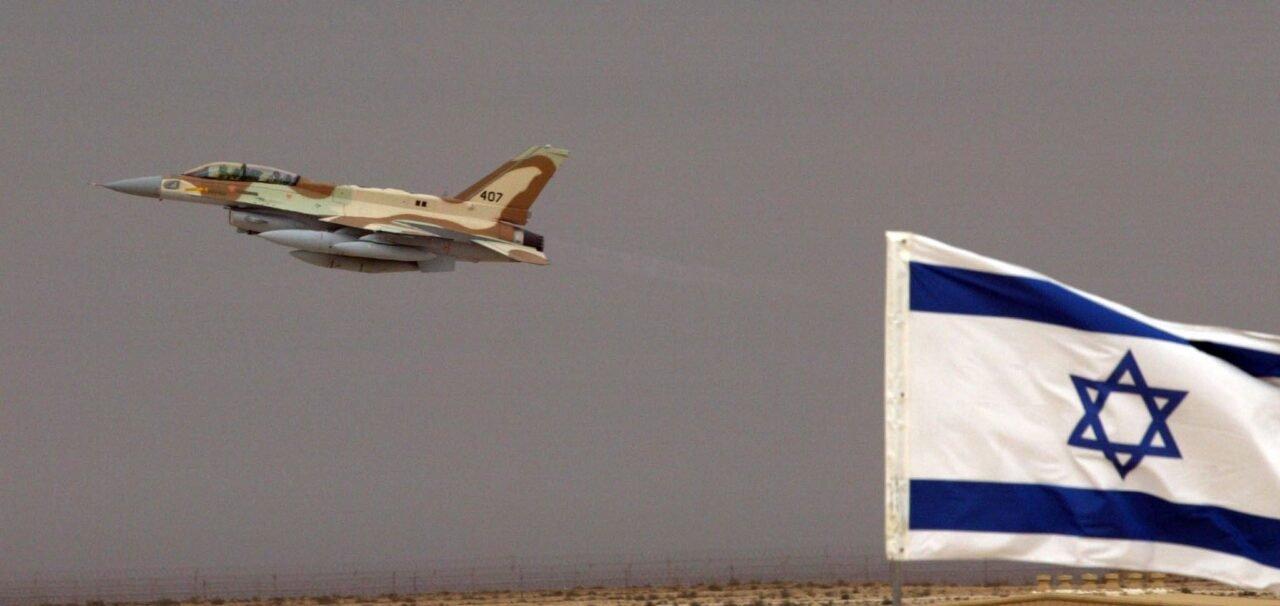
Israel Air Force Commander Tomer Bar Warns No Iran Nuclear Deal Would Be Major Failure
12 sources compared

Narges Mohammadi Rushed To Hospital In Zanjan After Losing Consciousness Twice In Custody
11 sources compared
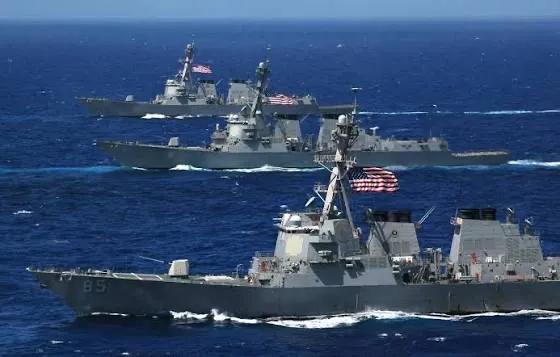
U.S. Navy Awards Domino Data Lab Nearly $100 Million to Detect Iranian Mines in Strait of Hormuz
10 sources compared
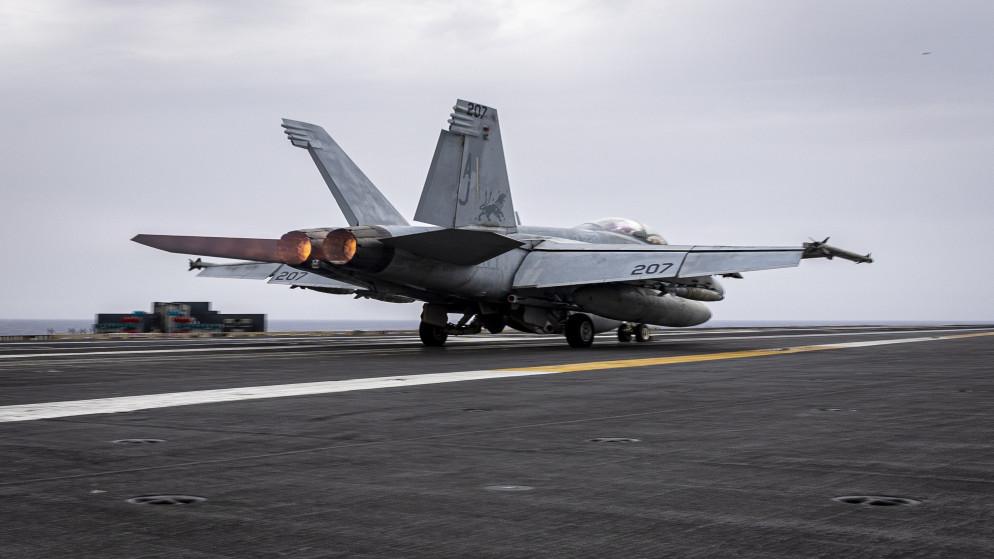
Trump Tells Congress Iran Hostilities Have Terminated Ahead of May 1 War Powers Deadline
20 sources compared