Europe27 October, 20252 min read
Arsonists Set Fire to Cables, Paralyzing France’s Southeast High-Speed Train Network
This article is an automated aggregation of coverage from news outlets. Our editorials offer in-depth analysis curated by the NewsCord team.
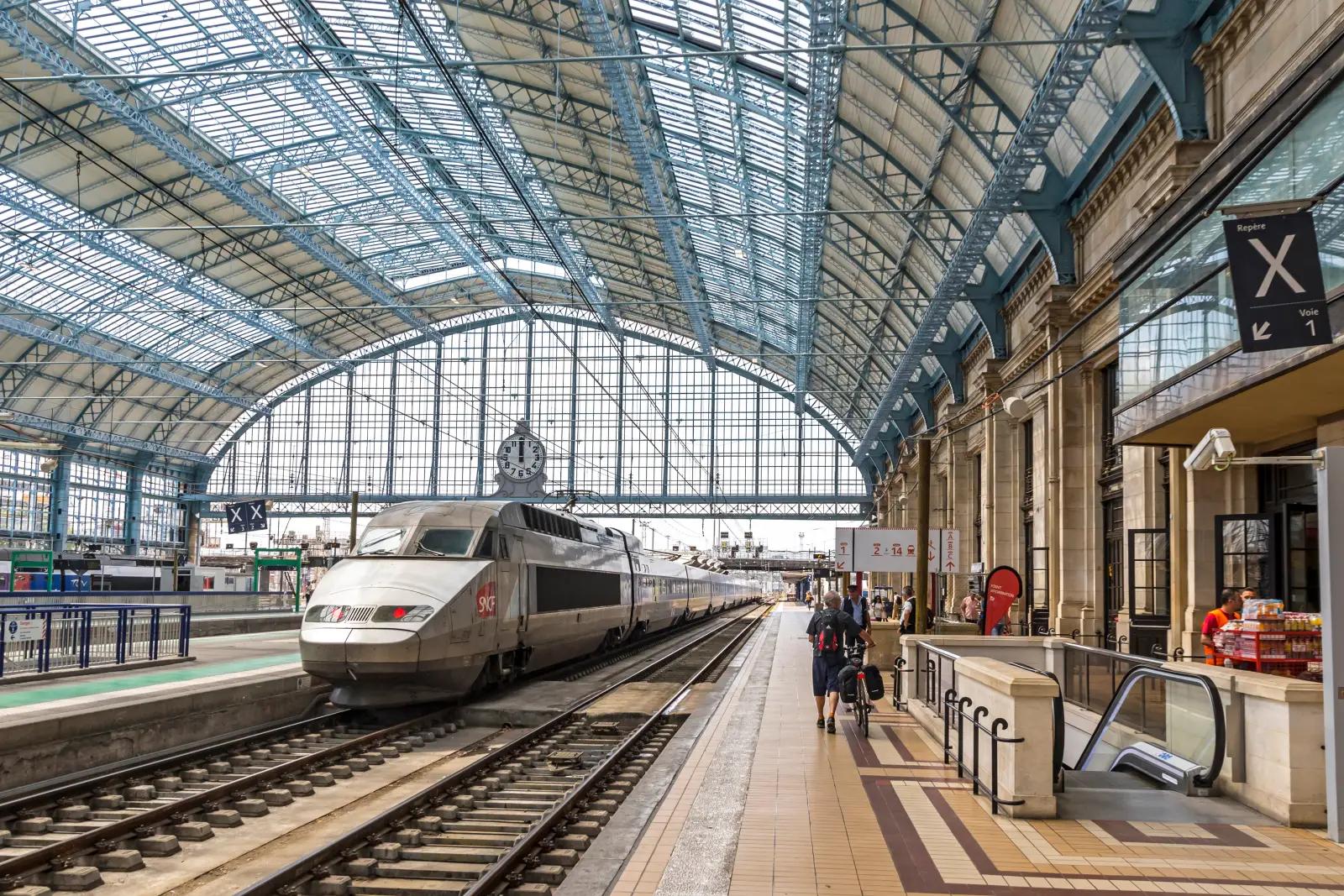
Deliberate fires damaged signaling and communication cables south of Valence station. About 100 TGV trains were canceled or delayed, affecting routes between Paris and southeastern cities.
16 outlets told this the same way.
Outlets did split on Marco Rubio Urges Europe To Awaken From Slumber In Athens Speech →
Train Signal Cable Arson Incident
Arsonists set fire to signaling cables near Valence/Alixan in southeastern France early Monday. The fire damaged 16 cables over a 25‑meter stretch and paralyzed a key TGV artery between Paris and the Mediterranean. Authorities and rail operators described the incident as deliberate vandalism and sabotage.
“On October 27, 2025, dozens of high-speed train services in France were disrupted after arsonists set fire to cables along a key railway line south of Valence, affecting the route between Paris and Marseille.”
The disruption affected services run by SNCF Voyageurs, Trenitalia, and Renfe, with about 100 trains disrupted and many Paris–Marseille services canceled. Investigations were launched by local gendarmes and later taken up by specialized units.

The perpetrators remain unknown. Officials indicated repairs were underway with an expectation of normal traffic by Tuesday morning.
Transport Disruptions and Delays
The operational fallout was severe, causing cancellations and multi-hour delays. There was widespread rerouting via conventional lines and bottlenecks across major hubs. Several outlets reported delays reaching seven hours, especially on Paris–Mediterranean corridors.
Other reports detailed more localized three-hour delays and morning cancellations beyond Lyon. As counters were overwhelmed during the All Saints’ holiday, some sources projected partial resumption by late afternoon.

Others forecast a full return to normal service by Tuesday morning. Meanwhile, the Paris–Lyon trunk line was largely spared from disruptions.
Rail Incident Investigations
Investigations and security messaging varied across different media outlets. Authorities opened probes into deliberate arson and transferred the sabotage investigation to specialized units in Grenoble. Some coverage focused on unknown perpetrators and reassured passengers about their safety.
“Law enforcement has launched an investigation following acts of vandalism that have severely disrupted high-speed train traffic in southeastern France since 6 a.m. Monday.”
One source claimed the police investigation was completed, which contradicted multiple reports of ongoing inquiries and transfers. Officials and operators emphasized reimbursement guarantees and noted the challenges of fully securing the extensive rail network.
Rail Infrastructure Vulnerabilities
The incident highlighted the fragility of critical rail infrastructure in the Southeast and the limits of redundancy. Regional and national outlets emphasized the lack of alternative routes, capacity constraints on conventional lines, and the challenge of protecting thousands of kilometers of assets. This concern persists even as France invests in modernizing and strengthening the network.
Media coverage varied in scope: some linked the sabotage to the broader rail sector context or unrelated national policy news. Others concentrated specifically on service restoration and security measures.
Travel Disruptions and Responses
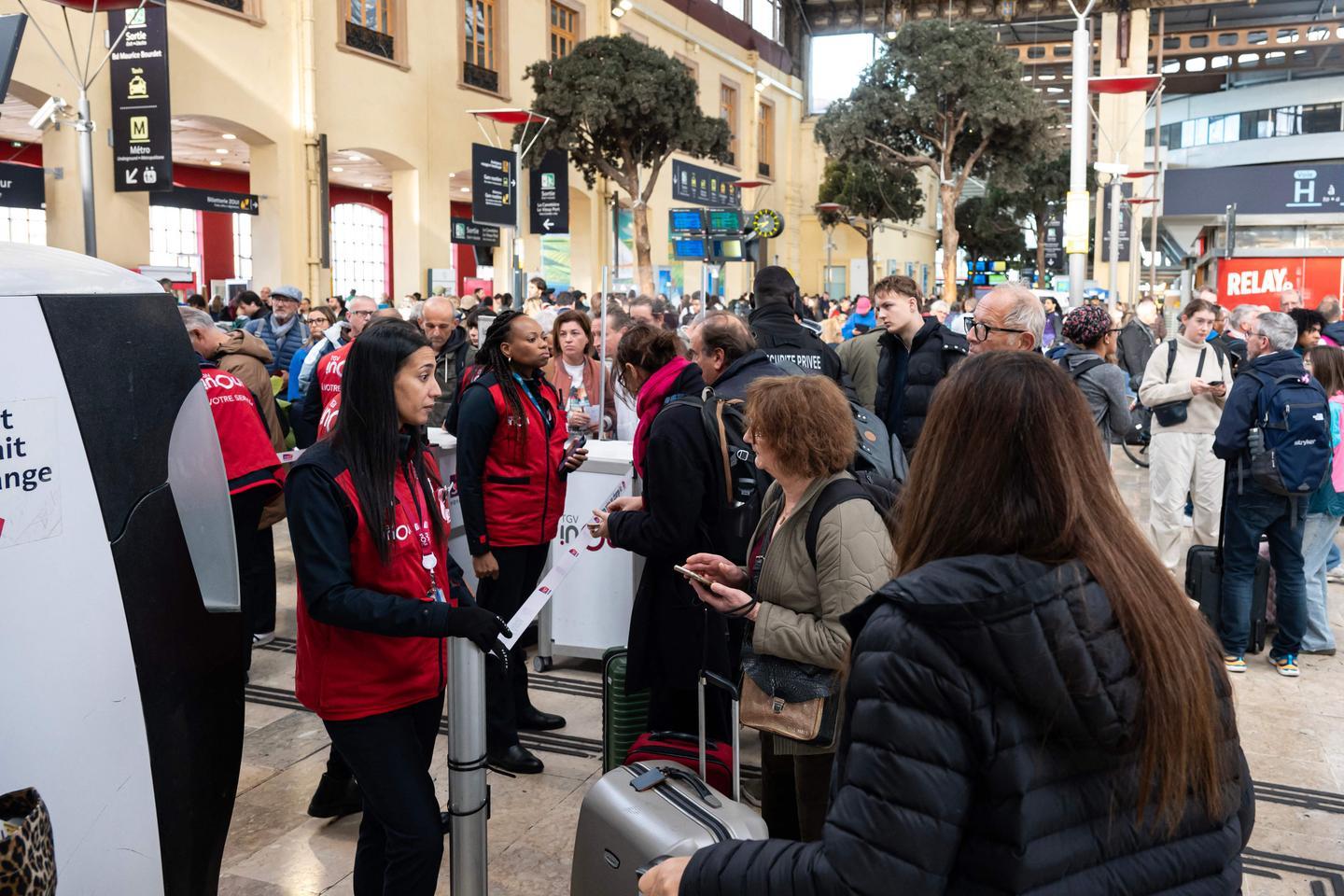
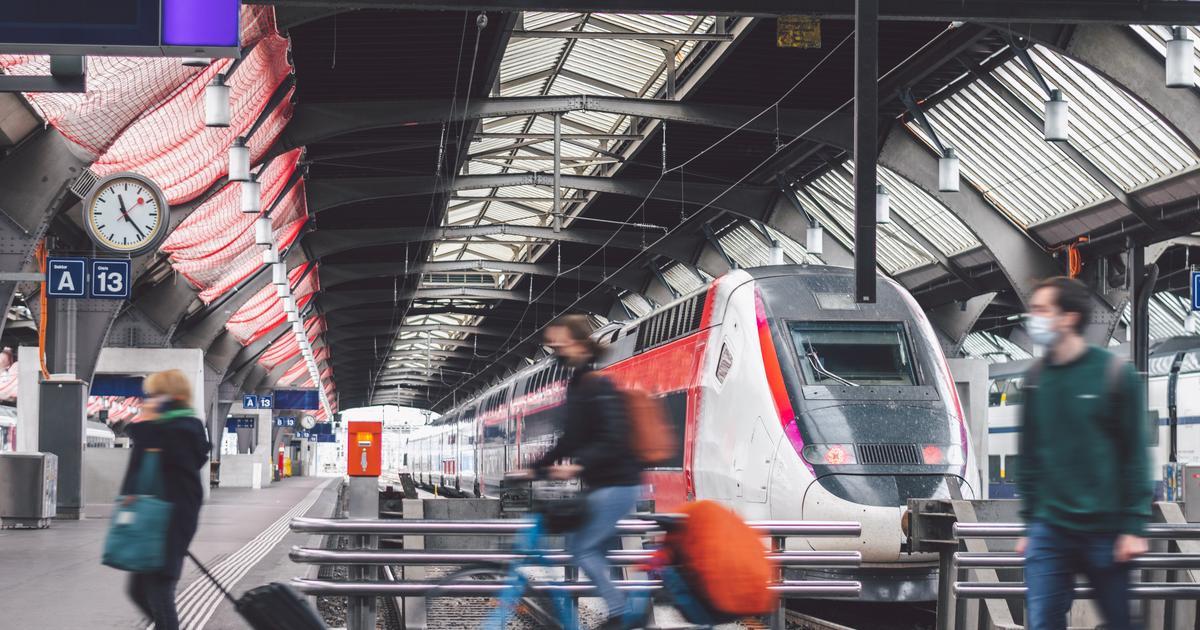
For travelers, the day brought hours‑long waits, confusion over rerouting and refunds, and advisories to postpone trips. Major stations—including Paris Gare de Lyon, Lyon Part‑Dieu, Marseille Saint‑Charles, and Toulouse Matabiau—saw cancellations, long queues, and rebooking scrambles.
“Passengers experienced long queues and cancellations at key stations including Paris Gare de Lyon, Lyon Part-Dieu, Marseille Saint-Charles, and Toulouse Matabiau.”
Some sources noted mixed information at counters while others promised reimbursements for all affected passengers. Amid the disruption, some coverage emphasized that safety was not compromised, even as the search for the arsonists continues.