
Artemis II Sets Distance Record, Observes Unseen Lunar Surface for Seven Hours
Key Takeaways
- Artemis II surpasses Apollo 13 distance record, reaching about 248,655 miles from Earth.
- Crew conducts a seven-hour lunar flyby, photographing and observing the Moon.
- Orion carries four astronauts on this mission.
Record-Breaking Lunar Flyby
NASA's Artemis II mission established a new human spaceflight milestone Monday as the crew set the farthest distance record from Earth at 248,655 miles.
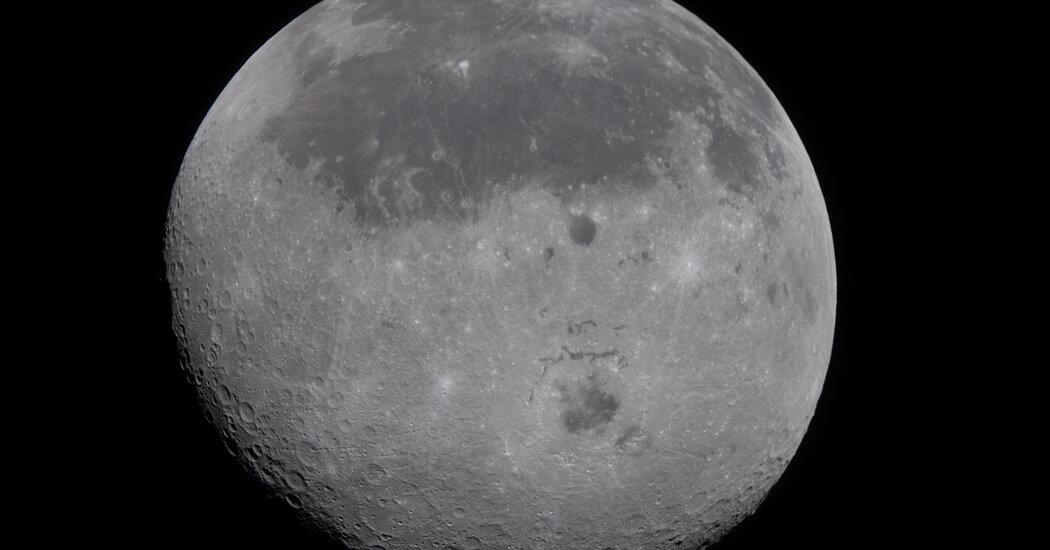
The crew then embarked on a seven-hour lunar observation window, making live scientific observations in sight of never-before-seen far side terrain.

CBS News reported the spacecraft entered the lunar sphere of influence early Monday.
Color nuances of the lunar surface relayed by the crew will help enhance scientific understanding.
Lunar Far Side and Scientific Observations
The crew made real-time observations and relayed findings to a lunar science team on Earth.
FOX 56 News highlighted images showing the Orientale basin, a part of the moon that human eyes have never seen in its entirety.
The astronauts described the moon's terminator as striking.
NASA named the basin the Grand Canyon of the Moon.
Tribute and Public Engagement
Canadian Jeremy Hansen announced a plan to name a lunar crater Carroll, honoring Wiseman's late wife.
The astronauts' families observed portions of the mission from the viewing gallery in Houston.
Victor Glover addressed his wife saying, Hey, babe. I love you. From the moon.
More on Technology and Science
Artemis II Becomes First Crewed Lunar Flyby in 54 Years, Sets Distance Record
12 sources compared

Artemis II Breaks Distance Record on 7-Hour Lunar Flyby, Observes Far Side
22 sources compared

Artemis II Mission Illuminates Deep Space Human Challenges
20 sources compared

Artemis II Astronauts Set Distance Record, Name Lunar Craters in Emotional Tribute
89 sources compared