NASA's Artemis II Conducts Historic 6-Hour Moon Far Side Flyby
Key Takeaways
- Artemis II carries four astronauts on a crewed Moon flyby, first since Apollo.
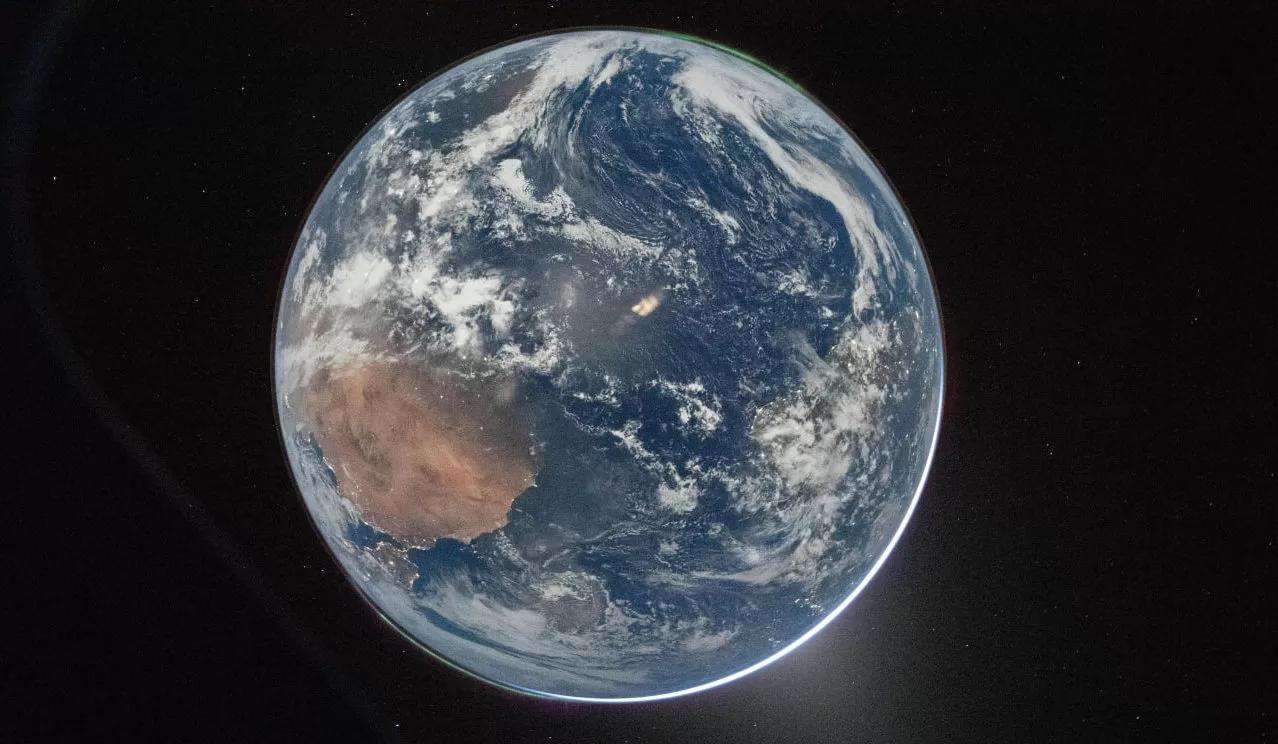
- Orion conducts a far-side lunar flyby, enabling direct lunar views and Earth imagery.
- Mission tests deep-space systems, including life support, suits, and laser communications.
Mission Progress
Artemis II is conducting a six-hour flyby over the lunar far side, not seen by humans for over 50 years.
The crew performed a 17.5-second trajectory correction to align for the flyby.
They donned and tested Orion Crew Survival System suits.
The flyby was conducted from about 6,540 kilometers, viewing the entire lunar disk including the poles.
The mission will break the record for farthest distance traveled from Earth.
Historic Observations
The crew captured the first photograph of the Moon's far side taken by human eyes.
The view included the lunar South Pole and the full Eastern Basin, never before seen in entirety.

Christina Koch described it as spectacular and not the Moon we are used to.
They will witness a nearly one-hour solar eclipse during the flyby.
Deep Space and Future
The crew departed Earth's protective magnetic field into deep space.
The Moon remains Earth's neighborhood despite the term deep space.
Artemis II paves the way for sustainable lunar presence and international collaboration.
More on Technology and Science

Japan Deploys Physical AI to Combat Shrinking Workforce, Aiming 30% Market Share
10 sources compared

Apple Celebrates 50 Years of Innovation and Challenge in Modern Tech
15 sources compared

NASA Accelerates Moon Base Plans to Compete With China's Lunar Ambitions
18 sources compared

Artemis II Crew Captures Historic Earth Photo and Prepares Moon Reconnaissance
12 sources compared