
Artemis II Returns Stunning Photos From Manned Lunar Flyby
Key Takeaways
- Crew flew around Moon, first view of far side by humans in decades.
- Artemis II traveled farther from Earth than Apollo 13, setting a distance record.
- NASA released the first batch of high-resolution Moon photos from the flyby.
Historic Lunar Imaging
NASA's Artemis II mission returned the first high-resolution images from humanity's first crewed lunar flyby in over 53 years.
“On the evening of April 7th, Beijing time, NASA released the first batch of high - definition photos of the Artemis 2 mission's flyby of the moon”
The images included unprecedented views of the lunar far side, a total solar eclipse, and iconic Earthrise and Earthset perspectives.

The astronauts spent seven hours taking photographs and making detailed geological observations.
The images were downloaded after the Orion spacecraft established a laser communications link with Earth.
Solar Eclipse From Space
Among the most striking images was a total solar eclipse captured from space.
Astronauts wore eclipse glasses, the same as millions on Earth used during the 2024 eclipse.
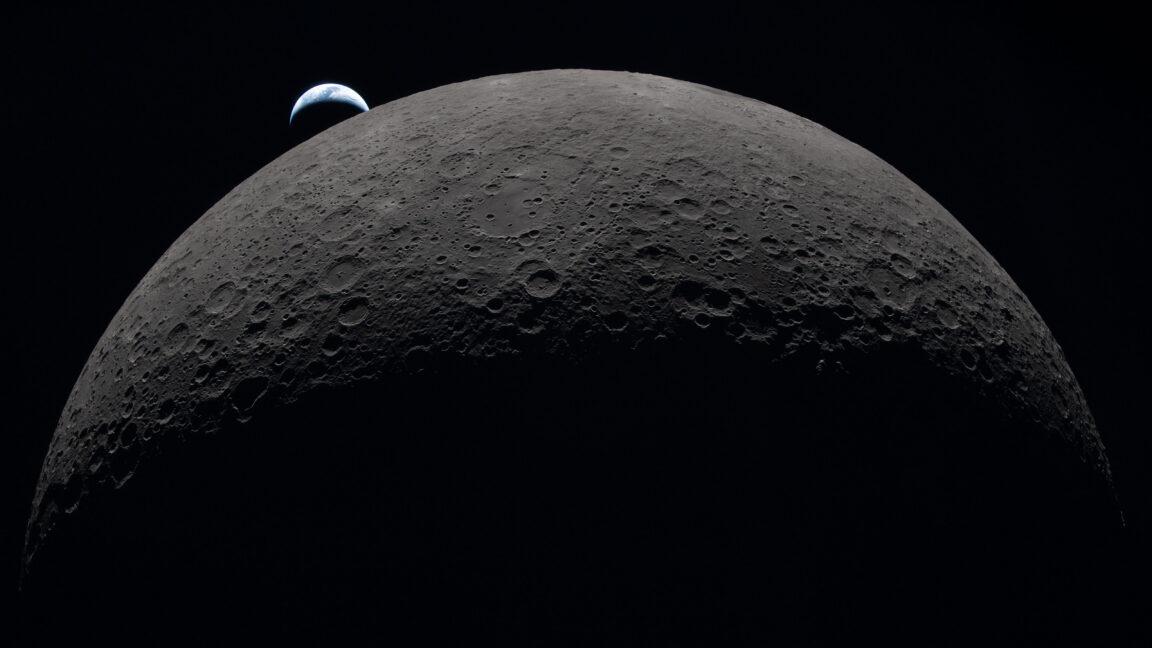
NASA Administrator Jared Isaacman called the photos absolutely stunning.
This was the first time humans viewed a solar eclipse from the moon.
Public Participation and Legacy
The mission re-ignited public fascination with space exploration.
“The crew of Artemis II captured what NASA's chief called an "absolutely stunning" photo of the moon eclipsing the sun, as the spacecraft broke Apollo 13's 56-year-old record for the longest distance traveled by humans from Earth”
The use of everyday technology like iPhones added relatability.
Hansen urged future generations to ensure the distance record would not stand for long.
NASA cautioned that a manned landing would not happen until 2028 at the earliest.
More on Technology and Science

Iran-Linked Hackers Leak 19,000 Files From Ex-IDF Chief Herzi Halevi's Phone
12 sources compared

NOAA Predicts Possible Super El Niño With 25% Chance To Hit By Fall
10 sources compared

Colorado State University Predicts Slightly Below-Average 2026 Atlantic Hurricane Season
26 sources compared
US Birth Rate Declines 1 Percent In 2025, Teen Births Hit Historic Low
13 sources compared