
Assembly of First Nations Calls for Withdrawal of Bill C-21 on Red River Métis Self-Government
Key Takeaways
- AFN seeks withdrawal of Bill C-21 recognizing Red River Métis self-government.
- Bill C-21 advanced to second reading in the House of Commons on April 22, 2026.
- MMF leadership disputes AFN messaging on Red River Métis self-government treaty.
Bill C-21 Debate in Commons
A federal bill that would recognize the right to self-government of the Red River Métis reached a key procedural moment in Canada’s House of Commons, drawing sharp opposition from the Assembly of First Nations and rebuttal from the Manitoba Métis Federation.
“CBC News | Indigenous Loaded Indigenous Indigenous Video Indigenous VideoCarousel Page 1 of 3 End of carousel Indigenous Top Stories Assembly of First Nations calls for withdrawal of Red River Métis self-government bill”
The Assembly of First Nations called for the withdrawal of the bill as it came up for debate in its second reading in the House of Commons, according to CBC News | Indigenous.
The St. Albert Gazette reported that on Thursday, Assembly of First Nations National Chief Cindy Woodhouse Nepinak took aim at a first-of-its-kind treaty between the federal government and the Manitoba Métis Federation that came up for debate in the House of Commons on Wednesday.
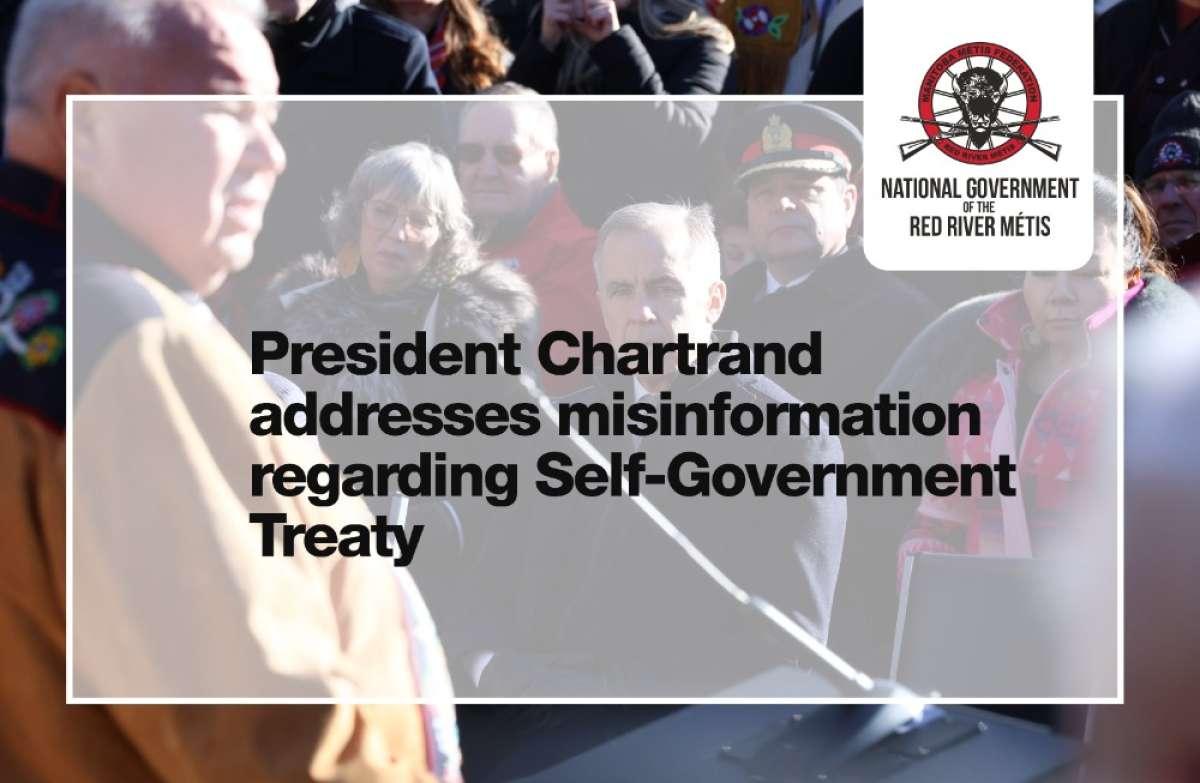
The Manitoba Métis Federation said it is working to stop the spread of misinformation about the Red River Métis Self-Government Recognition and Implementation Treaty, which “went to a second reading in the House of Commons on April 22, 2026,” per its own statement.
In that same statement, the federation said it wants citizens to “remain vigilant when consuming news,” and pointed readers to a dedicated treaty page at mmf.mb.ca/rrm-treaty.
The MBC Radio report added that Bill C-21 “recently went through second reading” after being introduced in February.
The dispute is framed around what the bill would codify for the Red River Métis and what it might mean for other Indigenous treaty rights in Manitoba and beyond.
AFN’s Withdrawal Demand
Assembly of First Nations National Chief Cindy Woodhouse Nepinak argued that Bill C-21 should not proceed, saying the treaty agreement was developed without consultations with First Nations and that it could create a hierarchy of rights.
The St. Albert Gazette quoted Woodhouse Nepinak’s media statement saying, “This piece of legislation must not proceed until First Nations voices’ are heard and our rights are respected, protected and upheld,” and it added that she wrote the bill was developed “without consultations with First Nations, despite it having implications for First Nations lands in Manitoba "and beyond."”
The same report said Woodhouse Nepinak warned, “We will not stand for any erosion or attack on our recognized rights and jurisdiction,” and that “The federal government’s approach is only going to undermine certainty and create conflict and they must immediately withdraw this legislation.”
MBC Radio similarly reported that Woodhouse Nepinak urged Crown-Indigenous Relations Minister Rebecca Alty to withdraw the bill, stating, “The Treaty Agreement outlined in the Bill was made without any consultation with First Nations, despite having major implications for First Nations lands and territories in Manitoba and beyond,” and it said the legislation has the chance to “erode” First Nations already established Treaty Rights.
MBC Radio also quoted Woodhouse-Nepinak saying, “No treaty with the Red River Metis can supersede our existing First Nations Treaties, or our inherent right since time immemorial to self-determination,” tying the withdrawal demand to the protection of existing treaty rights.
In the CBC News | Indigenous listing, the Assembly of First Nations’ call for withdrawal was presented as a top Indigenous story tied to the bill’s second reading in the House of Commons.
The Manitoba Métis Federation’s response, however, framed the AFN’s position as misleading and fearmongering, setting up a direct clash over consultation, jurisdiction, and the meaning of self-government.
Chartrand Rejects AFN Claims
The Manitoba Métis Federation rejected the AFN’s characterization of Bill C-21 and accused the Assembly of First Nations of misleading people about the legislation.
“The National Chief of the Assembly of First Nations is calling on the federal government to withdraw a Bill that would recognize the Manitoba Metis into a modern treaty”
The St. Albert Gazette said the president of the Manitoba Métis Federation, David Chartrand, was accusing the Assembly of First Nations of misleading people about legislation that would codify the federation’s right to self-government.
It reported that Chartrand described the AFN’s position as fearmongering and told The Canadian Press there is no hierarchy of Indigenous rights.
Chartrand said, “It's not up to her to tell you if you can govern yourself with a treaty. That's not her jurisdiction or authority,” and he added, “She's walked away from the truth and started to mislead the people she's supposed to represent.”
The same report quoted Chartrand saying, “This is years in the making, years of discussions, years of consultation, years of public announcements,” and it said he argued that reading the treaty would show it does not impinge other rights.
Chartrand said, “If anybody would do a little bit of homework on this and actually read the treaty, you can see it does not impinge anybody else's rights. It does not claim to have greater rights than the other. It's all about our internal self-government — our right to govern ourselves.”
In its own statement, the Manitoba Métis Federation said President Chartrand “continues to work tirelessly to stop the spread of misinformation regarding the Red River Métis Self-Government Recognition and Implementation Treaty,” and it urged citizens to “remain vigilant when consuming news.”
Government Consultation and Scope
Crown-Indigenous Relations Minister Rebecca Alty’s office defended the bill’s scope and consultation process, arguing it applies only to the Red River Métis and does not detract from the rights of other Indigenous communities.
The St. Albert Gazette quoted Alec Wilson, spokesperson for Crown-Indigenous Relations Minister Rebecca Alty, saying Bill C-21 applies only to the Red River Métis and their internal affairs and does not detract from the rights of any other Indigenous community.
Wilson said the federal government consulted with potentially affected groups from August 2023 to October 2024, and in 2023 wrote to all First Nations in Manitoba to notify them of the draft agreement.
Wilson said, “All 63 First Nations were afforded the opportunity to meet directly with officials and/or provide written correspondence in which to identify concerns regarding the draft treaty,” and he added, “The next debate on Bill C-21 is not scheduled at this time and will be determined at a later date.”
The St. Albert Gazette also reported that the Self-Government Treaty was announced in late 2024 with a signing ceremony in Winnipeg, and it said an agreement was signed in 2021 to recognize the Manitoba Métis Federation's self-government.
In the MBC Radio report, the government’s position was summarized as saying the treaty would not include harvesting or any land-related rights.
The AFN’s counterargument, as quoted by St. Albert Gazette and MBC Radio, is that the bill’s implications for lands and territories in Manitoba and beyond make withdrawal necessary.
Historical and Political Stakes
The debate over Bill C-21 is situated within a broader history of Métis-Crown relations and within recent political fights over self-government agreements with other Métis groups.
“CBC News | Indigenous Loaded Indigenous Indigenous Video Indigenous VideoCarousel Page 1 of 3 End of carousel Indigenous Top Stories Assembly of First Nations calls for withdrawal of Red River Métis self-government bill”
The St. Albert Gazette recounted that Métis leader Louis Riel negotiated a treaty with Canada “some 150 years ago” which led to Manitoba joining Confederation, and it said the development was supposed to reserve “1.4 million acres of land for Métis residents in the province.”
The report said Ottawa “saw Riel as a traitor and did not follow through on the promises in that agreement,” and it added that Riel was “executed for high treason in 1885 for resisting Canada's encroachment on Métis lands.”
It also said Riel was “formally recognized as Manitoba's first honorary premier in 2023,” and it described Chartrand’s argument that Woodhouse Nepinak needs to revisit that history.
The St. Albert Gazette further said the federal government has come under fire before from First Nations for negotiating self-government agreements with other Métis groups, and it described a “massive campaign to defeat agreements with Métis in Alberta, Ontario and Saskatchewan in 2023 and 2024.”
It added that the legislation codifying those agreements, Bill C-53, “died when Parliament was prorogued last year,” and it said it “lost support among some Métis groups included in the legislation well before then.”
The Manitoba Métis Federation’s statement emphasized continued public support and its fight for self-government, while the AFN’s position remained a call for withdrawal tied to the bill’s second reading.
More on Canada

PSNI Charges 30-Year-Old Sudanese Man With Attempted Murder in North Belfast Knife Attack
15 sources compared

Saudi National Arrested After Crossbow Attack at University of Surrey Manor Park Student Village
11 sources compared

Mark Carney Unveils Canada’s AI for All Strategy, Warns Foreign Platforms Can Be Used Against Canadians
12 sources compared

Wang Yi Calls Mark Carney’s Beijing Visit a Turning Point for Canada-China Ties
13 sources compared