ASX Admits Misleading CHESS Upgrade Progress, Agrees To Pay AUD 20.5 Million Fine
Key Takeaways
- ASX admitted it misled statements on CHESS upgrade progress, Reuters reports say.
- It agreed to pay AUD 20.5 million in penalties, pending court approval.
- The settlement could end the dispute but leaves governance questions unanswered.
ASX CHESS settlement
Australia’s ASX acknowledged it had misled statements about the progress of upgrading problematic software tied to the Clearing House Electronic Subregister System (CHESS) and agreed to pay a penalty of AUD 20.5 million, subject to approval by the Federal Court.
“For the first time, an Earth observation satellite has identified targets in orbit without human assistance”
The regulator ASIC filed suit against ASX in August 2024, alleging that statements made in 2022 about the former CHESS project, which was due to go live in 2023, misled the public.

By the end of 2021, ASX recorded the project’s status as “red,” meaning there were material risks to the delivery date, and the ASX audit and risk committee reported the “red” status a week before the February 2022 trading update.
In a February 10, 2022 announcement, the CHESS replacement project “was progressing well,” and the then-CEO Dominic Stevens planned to step down, according to the ASIC lawsuit described by mezha.net.
The settlement is backed by a court and would end the legal dispute while leaving “deeper structural issues” to be addressed, as Kai Chen, Director at MPC Markets, said in the same report.
VLM in orbit
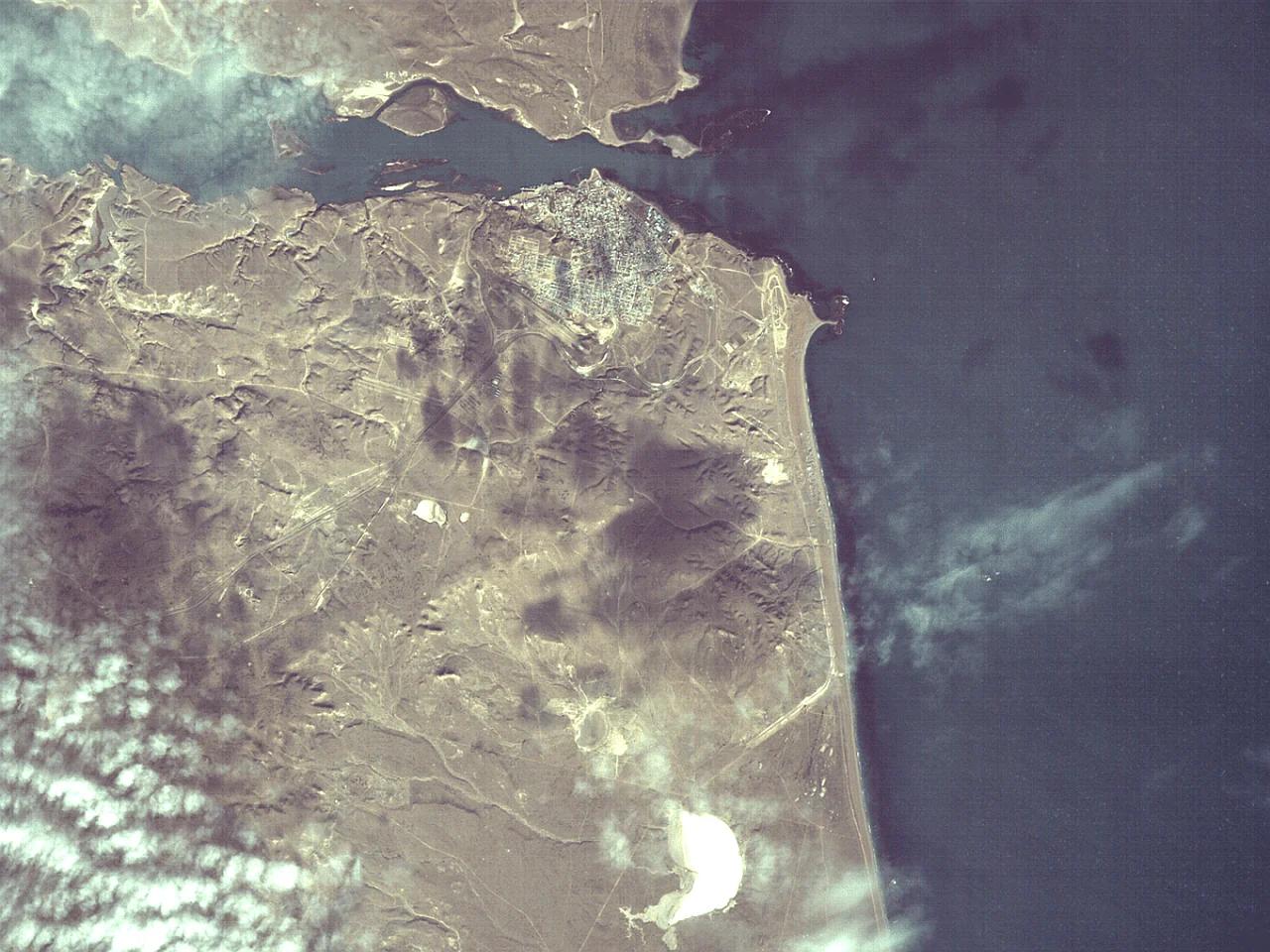
In April, an Earth observation satellite identified objects it was searching for independently, without human intervention, marking the first instance of a Vision-Language Model (VLM) being utilized in orbit.
The Yam-9 device, built by Loft Orbital, ran software created by experts at the NASA Jet Propulsion Laboratory (JPL), and the system highlighted areas of interest based on natural language queries.

Google DeepMind’s Gemma 3 model powered the demonstration, and it was adapted to operate on devices with limited technical capabilities, far from data centers.
Loft Orbital’s Paul Lasserre said the technology paves the way for creating a "constant duty" system in space, where a user could instruct the satellite to monitor a border and notify them if suspicious activity is detected.
The Yam-9 satellite launched into orbit in the fall of 2025 and carried an NVIDIA Jetson Orin AGX GPU, while NASA JPL engineers simplified the Gemma 3 model to run within limited memory and resource conditions.
From triage to patrol
TechCrunch described the April milestone as onboard YAM-9 finding what it was looking for without human analysts on the ground, using a software package built by NASA’s Jet Propulsion Laboratory to identify areas of interest in response to natural language queries.
“For the first time, an Earth observation satellite has found what it was looking for — on its own, without human analysts on the ground”
The demonstration used Google DeepMind’s Gemma 3, and TechCrunch quoted Loft’s head of AI, Paul Lasserre, saying, "It opens the door to always-on, patrol layers in space," with the ability to monitor a border and let users know when something is suspicious.
TechCrunch also reported that YAM-9 includes a Nvidia Jetson Orin AGX GPU and that Juan Delfa Victoria, a technical leader in NASA JPL’s AI group, led the development of NAVI-Orbital as the harness for the Gemma 3 VLM.
The same report said the business model is closer to infrastructure-as-a-service than traditional satellite manufacturing, and it cited a recent deal in which Loft built, launched, and operated six new satellites for EarthDaily.
TechCrunch added that the goal is to build out the constellation to ensure real-time coverage of anywhere on Earth, which it said would take somewhere between 50 and 100 satellites like YAM-9, while Loft currently operates 12 spacecraft.
More on Technology and Science

Hospices Civils de Lyon Says Vaccination Cuts Infarction Risk and Dementia Risk From Zona
10 sources compared

Australia’s Under-16 Social Media Ban Takes Effect, UK Plans Australia Plus
13 sources compared

NHC Tracks Invest 90L as Gulf Low Pressure Threatens Life-Threatening Flooding in Texas
11 sources compared

Keir Starmer Announces UK Ban On Under-16s Using Snapchat, TikTok, YouTube
16 sources compared