Technology and Science · 14 June, 2026 · 3 min read
Keir Starmer Announces UK Ban On Under-16s Using Snapchat, TikTok, YouTube
Britain will ban under-16s from using social media apps including Snapchat, TikTok and YouTube. The plan also blocks harmful features like livestreaming and communicating with strangers.
How effective and enforceable blanket bans are.
9 of 12 outlets skipped it: the UK will consider curfews and stopping infinite scrolling..
16outlets compared
Same story, two versions
tap a side to read it in full
Coverage diverges on whether harms are reduced or simply displaced.
Starmer’s under-16 ban
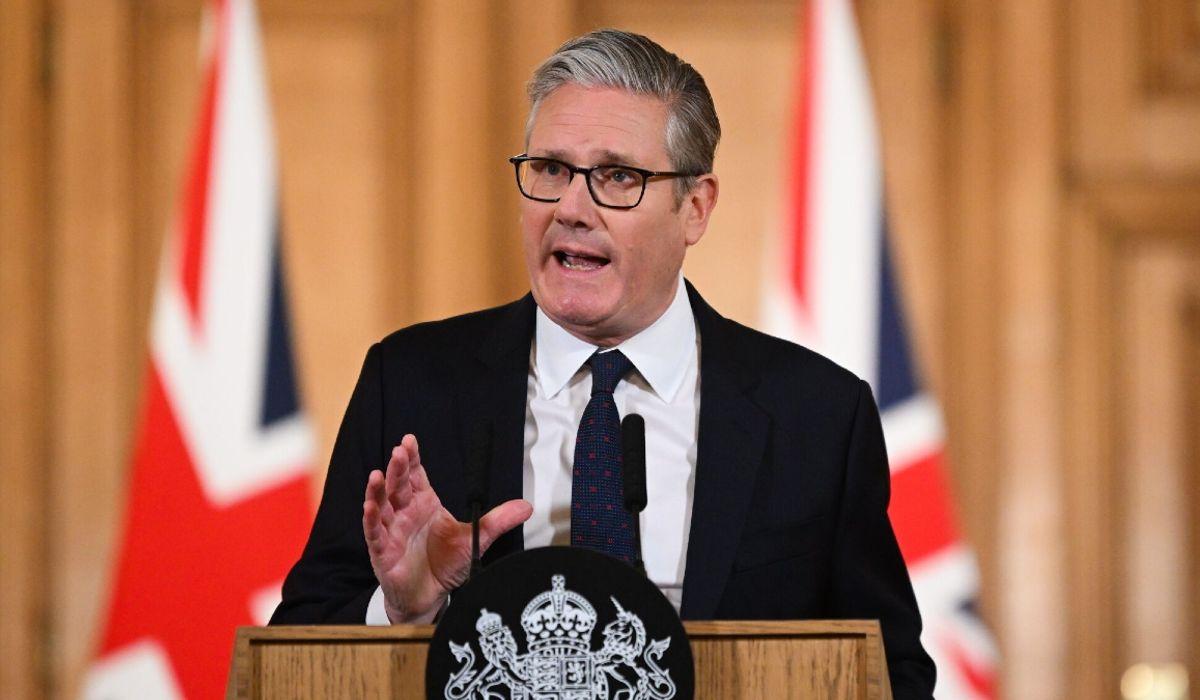
Britain’s Prime Minister Keir Starmer said Monday that the U.K. will ban children aged under 16 from using a range of social media apps, including Snapchat, TikTok and YouTube, to protect them from harmful content and excessive screen time.
“Britain will ban children aged under 16 from using a range of social media apps, including Snapchat, TikTok and YouTube”
The ban is expected to take effect early next year, and Starmer said, “Every parent can see it with their own eyes. Social media is making children unhappy,” while also arguing he is “not prepared to compromise on the safety and happiness of our children.”
The government said the restrictions will apply to platforms including Snapchat, TikTok, YouTube, Instagram, Facebook and X, but not YouTube Kids or messaging services like WhatsApp and Signal.
Starmer said the U.K. plans to follow the same model for a social media ban as Australia, which last year became the first country to bar under-16s from holding social media accounts.
The announcement also included additional steps, with Starmer saying the government will act to prevent strangers from contacting children on gaming and livestreaming platforms and that AI chatbots designed to simulate romantic or sexual relationships will be restricted to over-18s only.
Pushback and enforcement
The plan drew mixed reaction, with a YouTube spokesperson warning that a blanket social media restriction could “push kids out of such curated, supervised, beneficial experiences and towards anonymous, less-safe services.”
Meta also warned that a ban could drive teens to online alternatives without any parental controls, and Starmer acknowledged challenges while saying, “I do believe we can enforce it.”
The U.K. said platforms that fail to take reasonable steps to exclude children younger than 16 could be punished with multimillion-dollar fines, and Starmer stressed enforcement action would target tech companies, not children.
The decision followed a public comment period in which the government received 116,000 responses from parents, the tech industry and children, and more than 90% of respondents wanted an under-16 ban, according to the government.
Critics argued enforcement would be difficult, with Kate Edwards of the Molly Rose Foundation saying, “This is far too easy to work around. It is based on age verification tools that have been shown to be ineffective to date,” and that the approach “does nothing to address the actual problem itself.”
What’s at stake next
Beyond social media, the U.K. said it would also restrict “harmful functions” such as livestreaming and the ability to communicate with strangers, and extend the restrictions to gaming sites, with the proposed law aiming to come into force by the spring of 2027.
“protect children from content that is "designed to be addictive."”
CBS News reported that Starmer said the ban would protect children from content that is “designed to be addictive,” while also noting the legislation would put the onus on tech companies to ensure children aren’t using their platforms and that they could face huge fines.
The policy is also tied to other online-safety measures, with the government considering additional steps including overnight curfews and breaks in infinite scrolling for those under 18, and more details expected next month.
NPR reported that Esther Ghey, whose 16-year-old daughter Brianna was killed in 2023 by two teenagers who had accessed harmful content online, said the ban would “potentially save so many children's lives,” but had to be accompanied by other measures.
At the same time, the U.S. Embassy in London warned that regulations should be narrow and not violate free speech protections, and CBS News said the embassy published a notice about proposed restrictions 10 days earlier voicing concern that age-gating would not work.