
Technology and Science · 14 June, 2026 · 3 min read
Australia’s Under-16 Social Media Ban Takes Effect, UK Plans Australia Plus
Australia's under-16 ban is six months old, with enforcement difficulties noted. UK intends to ban under-16s from major social apps such as TikTok, YouTube and Snapchat.
Whether the Australian ban improves outcomes or fails.
11 of 12 outlets skipped it: meta blocked over 500,000 accounts in Australia..
13outlets compared
Same story, two versions
tap a side to read it in full
Same policy framed as helpful tool versus toothless illusion.
Australia’s ban, UK follows
Australia’s social media ban for under-16s took effect on 10 dicembre 2025, with a law requiring platforms to adopt “misure ragionevoli” to stop people under 16 in Australia from having accounts, including Facebook, Instagram, Snapchat, TikTok, X and YouTube.
“Dal 10 dicembre 2025 in Australia è entrata in vigore una legge che vieta ai minori di 16 anni di accedere ad alcune piattaforme social.”
The ban was framed as a mental-health and wellbeing measure after a report found that 96% of children and teenagers aged 10 to 15 in Australia used social media and 7 su 10 had seen dangerous content, including images violent and misogine or posts promoting eating disorders.
Prime Minister Anthony Albanese called the day the law entered into force “un momento di orgoglio che entrerà nella storia,” while the UK moved to a similar approach with Prime Minister Keir Starmer saying the plan would follow Australia’s model.
In the UK, Starmer said he would ban children under 16 from using a range of apps including Snapchat, TikTok and YouTube, and he said he is “not prepared to compromise on the safety and happiness of our children.”
The UK plan was described as “Australia Plus,” and the NPR report said platforms that fail to take reasonable steps to exclude children younger than 16 could be punished with multimillion-dollar fines.
Enforcement doubts and workarounds
In Australia, Cruz Condren said it took about a week to lose his Snapchat account and “a few seconds to get it back,” after he described being asked to verify his age by a camera and then having his mother scan her face because she’s over 18.
The same Australian workaround theme appeared in reporting that the law has become a ready-made excuse for parents under pressure, while surveys cited by Newser said most young teens are still on major platforms and kids can dodge age checks by using phony dates of birth, family accounts, or facial-age scans.
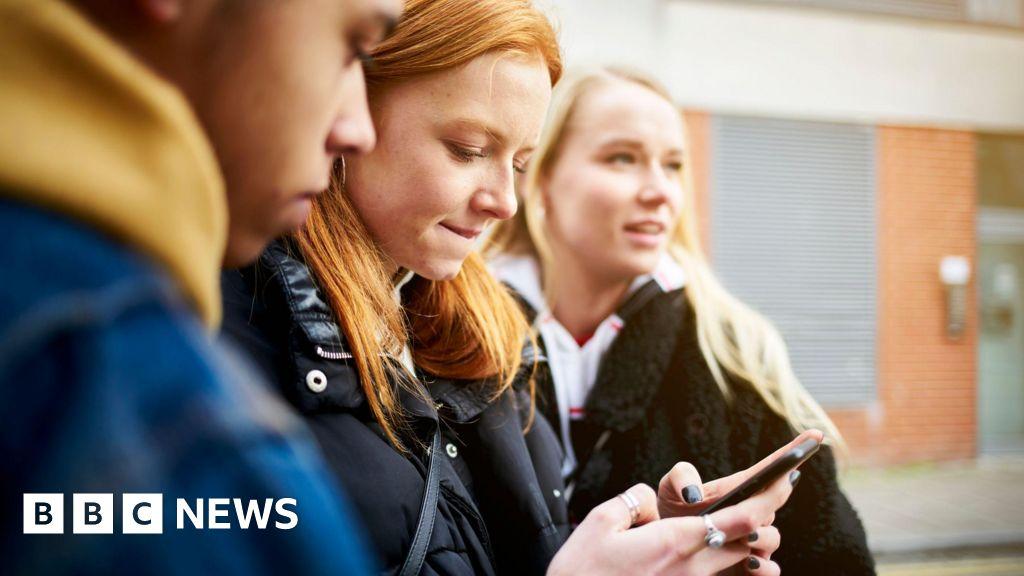
In the UK, the BBC said the key question is “how will it work?” and described concerns that Australia’s failing was believed to be in weak age verification methods adopted by tech companies.
The BBC also quoted a warning that “Right diagnosis, wrong cure” was the headline of an email, and it said there is concern that banning big mainstream apps could push children into “darker, less regulated corners of the internet.”
CNBC added that Diane Mullenex, technology lawyer at Pinsent Masons, said the regime becomes harder to police as ministers move beyond social media into livestreaming and chatbots, especially where services are based overseas or can be accessed through VPNs.
What’s at stake next
The UK ban is expected to take effect early next year, and the NPR report said it will apply to platforms including Snapchat, TikTok, YouTube, Instagram, Facebook and X, but not YouTube Kids or messaging services like WhatsApp and Signal.
“The U.K. said its ban will apply to platforms including Snapchat, TikTok, YouTube, Instagram, Facebook and X”
Starmer said enforcement action will target tech companies, not children, and he also said the government will act to prevent strangers from contacting children on gaming and livestreaming platforms.
The BBC reported that Sir Nick Clegg said there were so many parental controls that parents were overwhelmed and didn’t use them, while the same BBC piece described a teenager’s message that without social media they would be dead because the community they had discovered online had given them reasons to live.
In Australia, the law’s impact was also described in terms of account deactivations, with reporting saying “More than 5 million accounts have been deactivated,” and it cited eSafety’s reported “a 37 per cent drop in under 16s holding accounts over three months.”
Looking ahead, the UK debate is also tied to political and regulatory pressure, with CNBC saying Starmer is under pressure to step down and that Technology Secretary Liz Kendall said, “Tech companies have had countless opportunities to keep children safe, yet they have failed to act.”