Australia10 December, 20252 min read
Australia Bans Social Media for Under-16s, Forces Platforms to Remove Millions of Accounts
Australia enacted a nationwide law banning social media use for people under 16. Platforms must delete under-16 accounts and block new sign-ups, facing fines up to A$49.5 million.

11 outlets told this the same way.
Australia children's social media law
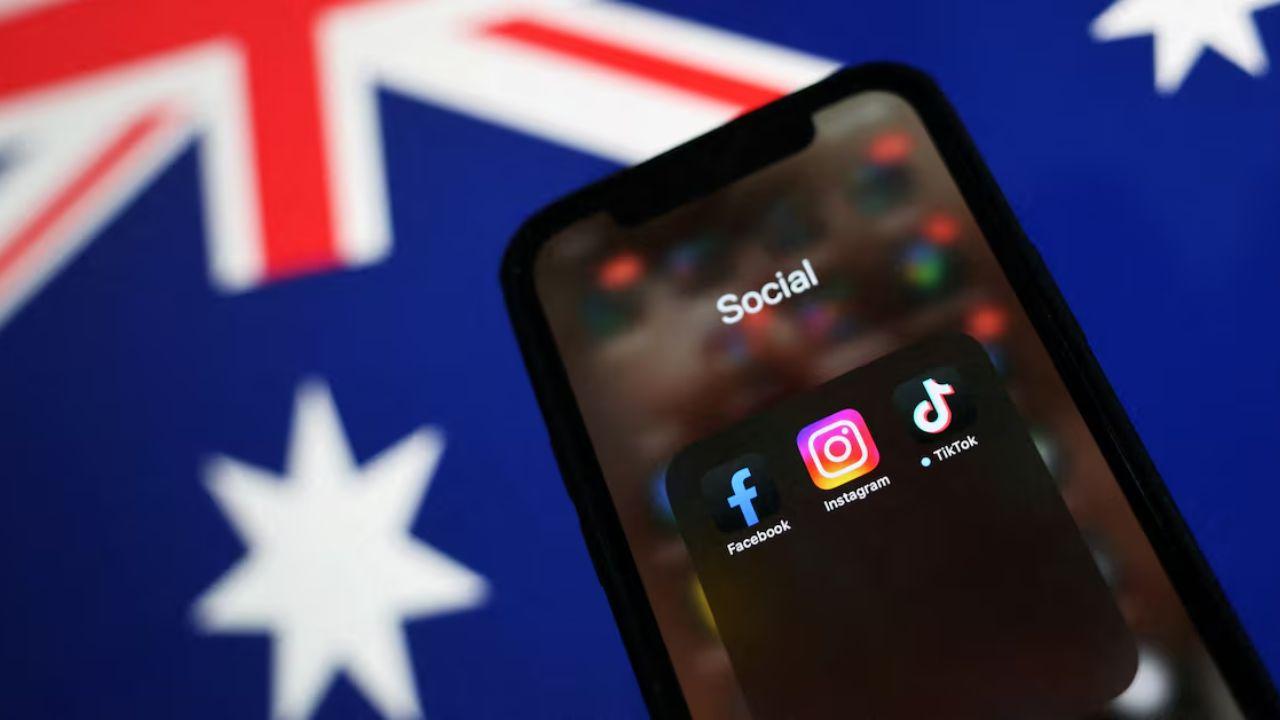
Australia has moved to enact what multiple outlets call a world-first national law that bars children under 16 from using major social media platforms unless companies take "reasonable steps" to remove their accounts, and that threatens fines up to A$49.5 million for non-compliance. The platforms named in coverage include Facebook, Instagram, TikTok, X, YouTube, Snapchat, Threads, Reddit, Twitch and Kick.
“Australia has begun enforcing a landmark ban that bars children under 16 from using major social media platforms unless the companies take ‘reasonable steps’ to remove their accounts.”
Authorities including the eSafety Commissioner plan to issue information notices to the biggest services and provide a public compliance update before Christmas. There is some inconsistency in reporting about timing: some outlets describe the ban as already being enforced, while others note an implementation date in December 2025, so the timeline is reported differently across sources.

Australia's social media law
The Albanese government and supporters framed the law as a protective, world-leading step responding to mounting evidence that heavy social-media use harms young people's mental health. Coverage highlights grieving parents and youth advocates in public advocacy. Some reports say the decision was propelled by parents such as Wayne Holdsworth and influenced in public debate by Jonathan Haidt's book The Anxious Generation.
The prime minister urged teens to take up sport, music or reading, and the eSafety Commissioner has signalled active oversight. Supporters at events included parents who have lost children to online harms, and polling cited in some reports shows substantial public support for raising the minimum age.
Age-verification law responses
Major platforms and commentators have signalled different responses. Some companies say they will use age-verification technology and comply. Others are preparing legal challenges, and commentators note technical and practical hurdles.
“Reddit is preparing a legal challenge to Australia’s new social media age-limit law, creating the prospect of a high-profile constitutional clash with the Albanese government.”
Reddit is reported to be planning a legal challenge to the law, creating the prospect of a constitutional clash with the government. Early implementation already shows teething problems.
For example, age-assurance providers have run hundreds of thousands of checks and some under-16s reportedly passed facial age-verification checks. Coverage thus mixes compliance steps, legal pushback and practical gaps in enforcement.
Concerns about youth online law
Critics warn the law carries risks as well as benefits. Reported concerns include privacy breaches, free-speech implications and legal challenges. There is a possibility that restrictions could isolate teenagers or cut them off from support networks they use online.
Some reports describe parents teaching children to use VPNs or fake verifications. Reports suggest teenage influencers could suffer financial impacts. Experts caution that while excessive screen time can harm mental health, removing young people from platforms may also remove access to safety tools and trusted resources.

International response to law
Observers note the law’s international significance and the possibility it could prompt similar measures elsewhere. European and global policymakers are watching, and officials estimate more than one million accounts may need to be blocked. Media coverage frames the move as part of broader global frustration with major U.S. tech platforms.
“The decision has drawn international attention — European Commission President Ursula von der Leyen said Europe is watching...”
Outlets report that the European Commission and figures such as Ursula von der Leyen are following developments. The government said it will provide public updates on compliance, signaling the case will be watched as a test for social media regulation worldwide.