Australia24 December, 20252 min read
Australia Cancels Visa, Moves to Deport British Neo-Nazi After Police Seize Swastika Swords
Australia cancelled the visa of a 43-year-old British national facing deportation Police charged him with displaying Nazi symbols and posting swastika content online
11 outlets told this the same way.
Visa revoked over Nazi material
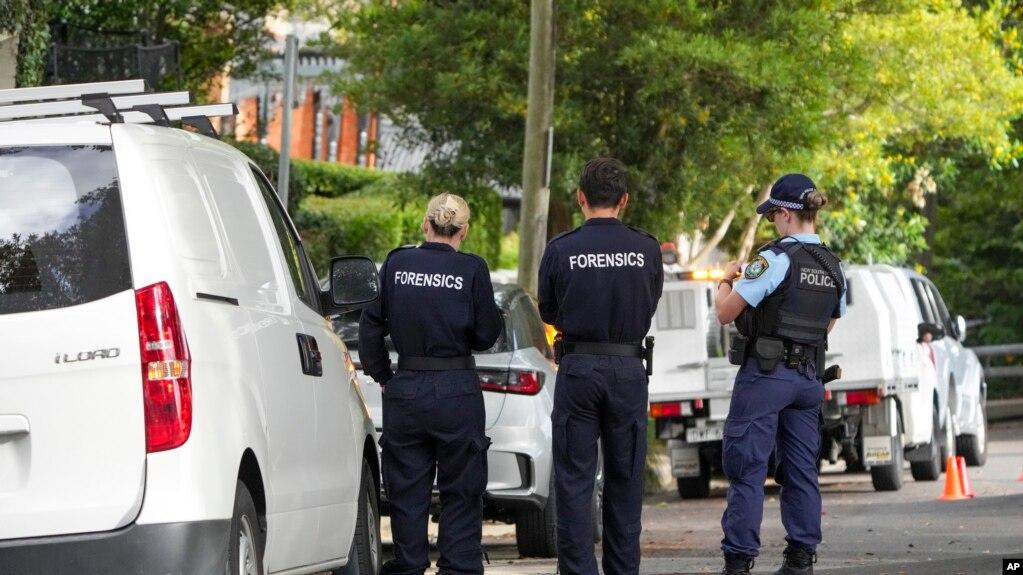
Australian authorities have revoked the visa of a 43-year-old British national living in Caboolture, Queensland after police alleged he promoted Nazi ideology online and displayed banned symbols at his home. Federal and state police opened an investigation after social media posts containing swastikas were discovered. A late-November search of the property reportedly seized phones, axes, knives and several swords bearing swastikas.
“A 43-year-old British man living in Caboolture, Queensland, has had his visa revoked and faces deportation after allegedly promoting Nazi ideology online and displaying banned symbols.”
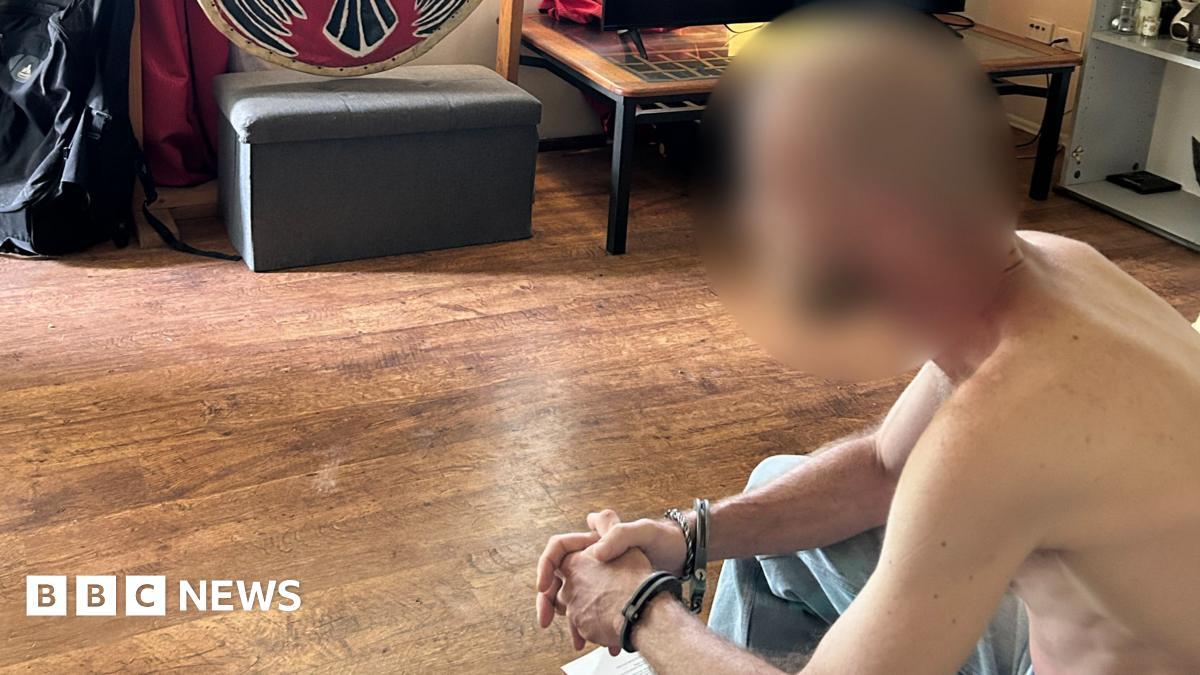
The man was arrested earlier this month and is being held in immigration detention pending court proceedings. The visa cancellation clears the way for deportation, subject to any ongoing legal process.
Charges and immigration consequences
Legal action against the man includes criminal charges and immigration consequences. Authorities charged him with counts relating to displaying prohibited Nazi symbols and using the internet to cause offence. Reports describe either three charges for displaying banned symbols plus one count for internet offences, or 'four alleged breaches' overall.
Police and prosecutors are pursuing the case in court. Immigration officials may delay deportation so the accused can face trial, and he can appeal the visa cancellation or leave voluntarily if he chooses.
Visa cancellations and policies
Senior government figures described the visa cancellation as enforcing Australian values and as part of broader efforts to counter antisemitism and extremism. Home Affairs Minister Tony Burke is quoted bluntly saying people who 'come here to hate' do not get to stay, and officials and the AFP emphasise action to protect social cohesion. Several outlets place the decision within a policy push, reporting that federal ministers and agencies are considering tougher hate‑crime laws, broader deportation powers and measures to intercept offensive material at the border in response to recent attacks.
“Home Affairs Minister Tony Burke said migrants must respect Australia’s values, and the case forms part of a wider government crackdown on antisemitism and right-wing extremism, including recent tougher hate-crime laws.”
Caboolture weapons and paraphernalia
Police released images and accounts of an extensive cache of weapons and Nazi paraphernalia seized at the Caboolture address, and some outlets published detailed inventories and photos. Reported items included multiple swords bearing swastikas, axes, knives, sheaths, shields, chains, hats, and a mug bearing the slogan 'wolves eat sheep'.
Investigators say they began probing the man's online activity in October after an account that posted swastikas was blocked and allegedly replaced by another account. Federal police said they are disrupting such behaviour to protect community cohesion.

Media framing differences
Coverage varies by outlet type: mainstream sources foreground ministerial statements and law-enforcement motives to protect social cohesion. Western alternative and some other outlets stress legislative follow-up and the government's intent to fast-track tougher rules. Tabloids foreground graphic imagery and sensational details.
“Australian authorities have moved to revoke the visa of a British man and charged him after finding Nazi symbols and weapons at his home, part of a broader crackdown on antisemitism and right‑wing extremism.”
Language choices also differ; for example, JFeed uses the term 'pogrom' when linking the case to the Bondi Beach incident, VINnews stresses 'fast-track tougher national laws', and the BBC quotes the minister saying he 'came here to hate'. These framing differences shape readers' perceptions of whether the story is about criminality, policy change, or sensational imagery.