
Australia Grants Asylum to Five Iranian Women’s Footballers After President Donald Trump Demands Protection
Key Takeaways
- Australia granted asylum to five Iranian women's football players
- Protesters physically blocked the Gold Coast hotel bus; one player was pulled onto it
- Players sought asylum fearing persecution for refusing to sing Iran's national anthem
Asylum granted, leaders respond
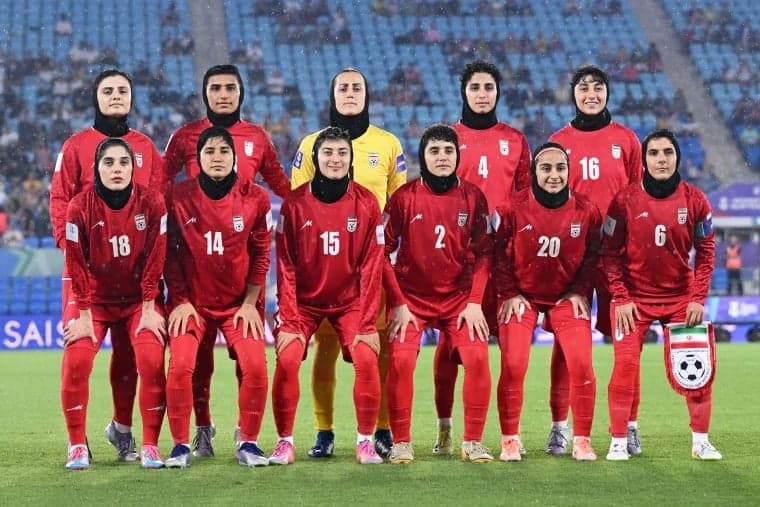
Australia granted humanitarian visas to five members of the Iranian women’s football team after they sought asylum in Australia, citing fears of persecution following their refusal to sing Iran’s national anthem at an Asia Cup match; Prime Minister Anthony Albanese welcomed the women and said they were safe.
“A tearful Iranian footballer appeared to be dragged onto a bus in chaotic scenes as protesters in Australia tried to stop the women's team from being forced home by the Islamic Republic's cruel regime”
Reuters reported that five players were given humanitarian visas after seeking asylum amid fears tied to their refusal to sing the anthem, and Albanese said, “They're safe here, and they should feel at home here.”
The Washington Post described the move as coming after a days-long operation involving federal police and other agencies, noting the visas were approved late at night.
Australian authorities and politicians framed the action as protection for the players, while reporting stressed the asylum claims were tied to fears of repercussions back in Iran.
Police extraction and timing
The five players were moved out of the team hotel and placed into police protection in what Australian officials described as a coordinated effort; reports say the Australian Federal Police moved them to a safe house and the visas were processed around 1:30 a.m. local time.
The Daily Mail reported the players "escaped the Royal Pines Resort and were moved to a safe location by Australian police," while The Washington Post said officials worked overnight to ensure the women had "a maximum number of opportunities" to seek assistance and that "the visas processed around 1:30 a.m. local time."

Irish reporting also described police helping to extract the women "from their Iranian government handlers," and Australian ministers said help remained available to any other players who asked for it.
Names and teammate uncertainty
Reports identified the five women who sought protection by name and noted uncertainties about the rest of the squad, with concerns that some teammates may have been coerced to return to Iran.
“Australia grants five players from Iranian women’s football team asylum Praveen Menon and Katharine Jackson Reuters Australia granted humanitarian visas to five Iranian women football players after they sought asylum, fearing persecution on their return home for their refusal to sing the national anthem at an Asia Cup match”
The Daily Mail listed the five who sought protection as Fatemeh Pasandideh, Zahra Ghanbari, Zahra Sarbali, Atefeh Ramazanzadeh and Mona Hamoudi and noted "the fate of their teammates remains uncertain."
The Mail and other outlets also recorded that Iranian state media had labelled the players "wartime traitors" after they declined to sing the national anthem, while coverage pointed to fear of serious punishment in Iran for those perceived to have defied official expectations.
Trump’s public pressure
President Donald Trump publicly pressed Australia to grant the women asylum and said the United States would offer them protection if Australia declined; several outlets connected his intervention to the timing of Australia’s decision.
The Washington Post reported that Trump "had said that the players would 'most likely be killed' if they were forced to return to Iran" and that he offered U.S. asylum if Australia would not take them.

Reuters also recorded that "US President Donald Trump praised Albanese for allowing the women to stay, saying on social media the U.S. was ready to take the players if Australia did not."
Commentary and reporting noted Trump’s public role even as Australian officials and FIFA engaged to ensure the players’ safety.
Political and safety context
Reporting placed the asylum case against a backdrop of concern about Iran’s domestic crackdown after anti-government protests and scrutiny of Western governments’ asylum policies; outlets noted both FIFA’s focus on player safety and criticism of inconsistent asylum practices.
“Democracy Dies in Darkness By Mariana Alfaro , Adam Taylor and Victoria Craw Australia granted asylum to five members of the Iranian women’s soccer team, after a days-long operation involving federal police and other government agencies — and a demand from President Donald Trump that they be given protection”
The Washington Post referenced Iran’s wider security response to protests, citing the killing of protesters including a 27-year-old who had played for the team, and noted recent U.S. measures such as a travel ban and repatriation flights; FIFA said the safety and security of the players "are FIFA’s priority."
Coverage also documented demonstrations at the team hotel in Australia, with supporters flying pre-revolutionary flags and urging authorities to "save our girls," underscoring the high domestic and international attention on the squad’s treatment and safety.
More on Iran

US Defense Secretary Pete Hegseth Vows 'Most Intense' Day of Strikes in War on Iran
12 sources compared
Australia Grants Asylum To Five Iranian Women's Soccer Players After Pressure From President Donald Trump
11 sources compared

Iran Shuts Strait of Hormuz, Halts Tanker Traffic and Chokes Global Oil Supply
10 sources compared
Putin Proposes Swift Plan to End War in Iran to Trump in Hour-Long Call
12 sources compared