
US Defense Secretary Pete Hegseth Vows 'Most Intense' Day of Strikes in War on Iran
Key Takeaways
- Hegseth said Tuesday would be the most intense day of strikes inside Iran
- U.S. and Israeli forces launched airstrikes against Iranian targets, including oil facilities
- Military leaders left campaign timeline and end-state decisions to Trump
Hegseth's vow and framing
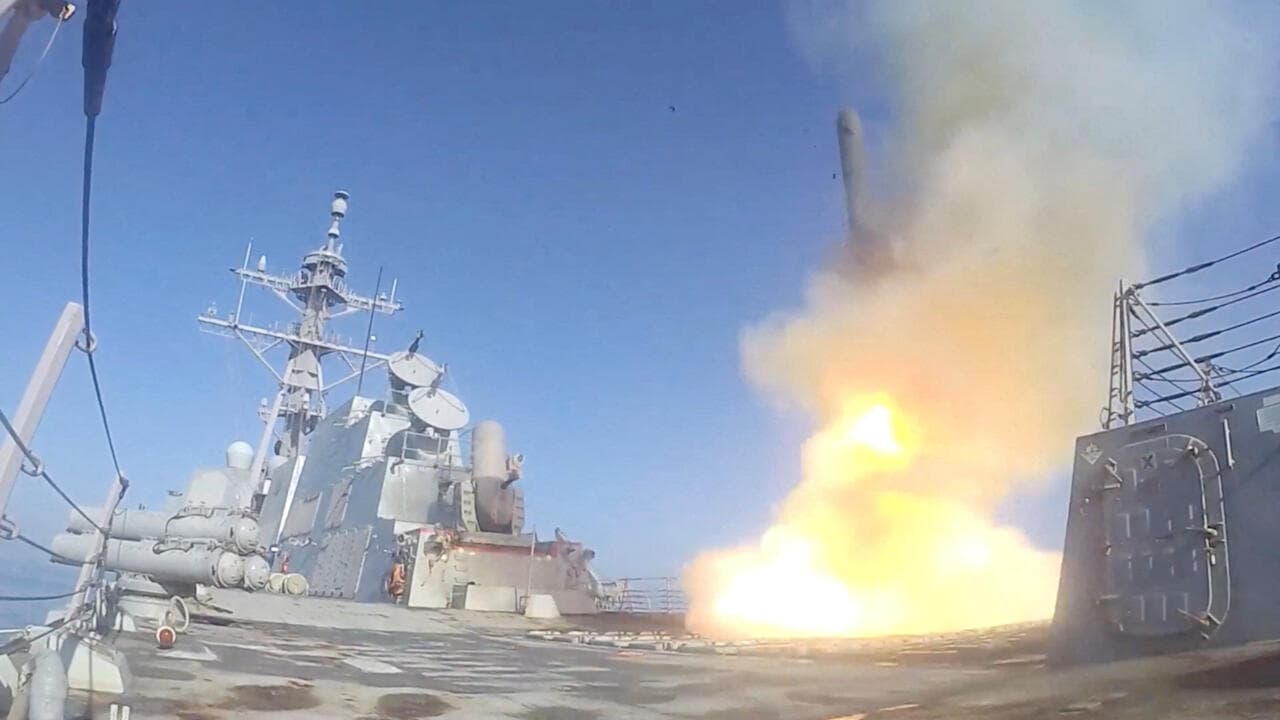
U.S. Defense Secretary Pete Hegseth publicly vowed that Tuesday would be “yet again our most intense day of strikes inside Iran – the most fighters, the most bombers,” framing the campaign as successfully degrading Iranian capabilities and asserting that the U.S. is “crushing the enemy in an overwhelming display of technical skill and military force.”
“"I mean, I think they're fighting and I respect that, but I don't think they're more formidable than what we thought," he said”
Hegseth repeated the claim that strikes would continue on the U.S. timeline and insisted the campaign is “winning,” a point he made alongside other top Pentagon officials at a series of briefings.
These remarks came amid separate reporting that President Donald Trump has signalled the war could end “very soon,” even as U.S. leaders emphasised continued pressure and escalation.
Military progress claims
U.S. military leaders described measurable effects they say show Iranian strike capabilities have been degraded: Gen. Dan Caine, chairman of the Joint Chiefs of Staff, told reporters that ballistic missile launches have “fallen 90%” and one-way attack drones have decreased “83%” since the campaign began.
Officials said hundreds or thousands of Iranian targets and naval vessels had been hit.
Pentagon briefings also highlighted the use of heavy 2,000lb GPS‑guided penetrating weapons against deeply buried launchers and strikes on mine‑laying vessels as part of efforts to reduce Iran’s ability to threaten neighbouring states and shipping lanes.
Iran and regional reprisals
Iran and regional states continued both kinetic responses and public defiance: Tehran’s Revolutionary Guards stated “It is we who will determine the end of the war,”
“Hegseth leaves Iran war’s timeline in Trump’s hands The Pentagon is focusing on operational objectives for success, leaving out Trump’s calls for “unconditional surrender” and an “acceptable” new leader”
Tehran also launched drones and missiles towards Gulf states, prompting air‑defence activations in the UAE and interceptions reported by Qatar and Kuwait.
U.S. officials noted that Israel has conducted separate strikes inside Iran and described Israel as a “strong partner,” but stressed that certain Israeli strikes were not part of the U.S. mission, reflecting parallel operations and coordination complexities in the theatre.
Human cost and risks
Reports from the region and U.N. agencies highlighted mounting civilian harm, displacement and environmental risks alongside the military campaign: the Guardian detailed a strike that killed “more than 165 people at an all-girls school, most of them children,”
the Associated Press compiled tallies noting “The war has killed at least 1,230 people in Iran, at least 397 in Lebanon and 11 in Israel.”

The U.N. refugee agency said “in the first two days of the war, about 100,000 people fled Tehran,” and the World Health Organization warned that “The black rain and the acidic rain coming with it is indeed a danger for the population, respiratory mainly,” after strikes hit oil facilities.
Politics, diplomacy, costs
The conflict is producing contentious political messaging, economic fallout and questions about diplomatic options: President Trump has offered mixed signals — telling Republicans the war might be a “short excursion” while later warning Iran it would be hit “TWENTY TIMES HARDER” if it disrupted oil flows —
“We have no interest in the dissolution of territorial integrity," he added”
Pentagon leaders emphasised the U.S. would not pursue “endless nation‑building” and said the “aftermath is going to be in America’s interests.”
Officials also noted diplomatic contacts with world leaders, with one Pentagon account saying “The president said it was a good call” after a conversation with Vladimir Putin, and analysts and governments began convening on energy and shipping risks while estimating the conflict’s steep material costs.
More on Iran
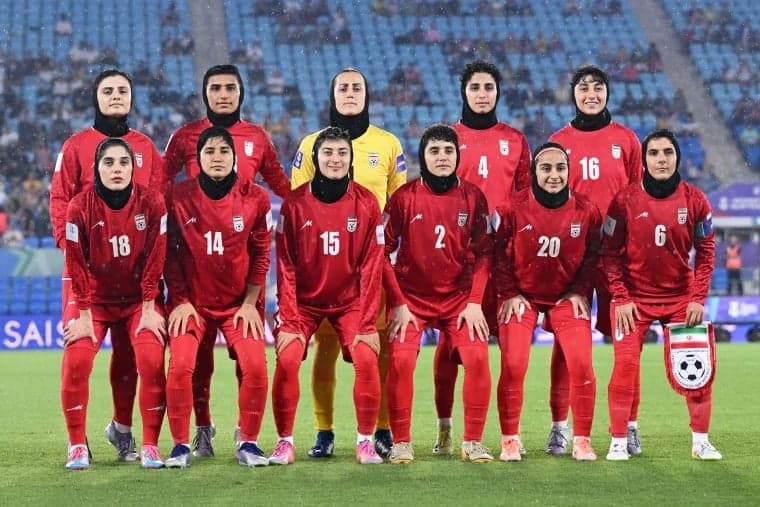
Australia Grants Asylum To Five Iranian Women's Soccer Players After Pressure From President Donald Trump
11 sources compared

Iran Shuts Strait of Hormuz, Halts Tanker Traffic and Chokes Global Oil Supply
10 sources compared
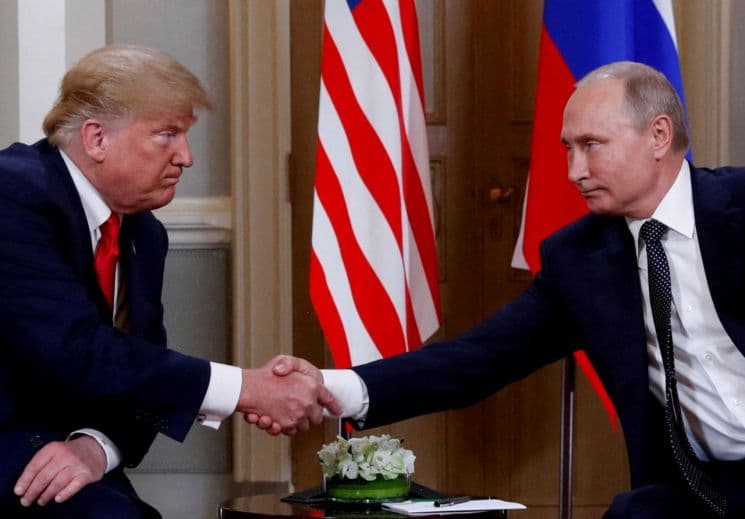
Putin Proposes Swift Plan to End War in Iran to Trump in Hour-Long Call
12 sources compared

Escalation in Iran Pushes Oil Near $120, Sparks Gas Price Surge in Los Angeles
10 sources compared