
Iran Shuts Strait of Hormuz, Halts Tanker Traffic and Chokes Global Oil Supply
Key Takeaways
- Iran has shut the Strait of Hormuz, effectively halting tanker traffic through the chokepoint
- Multiple tankers were attacked off Oman near the Persian Gulf mouth, raising maritime safety concerns
- Oil prices surged above $100; carriers rerouted, producers and QatarEnergy halted exports
Strait shutdown and scope
The Strait of Hormuz — a narrow chokepoint through which roughly a fifth of the world’s oil passes — has effectively been shut as the widening war involving Iran has ground tanker traffic to a halt, choking a vital artery of global energy trade.
“US Treasury Secretary Scott Bessent said last week the US granted a 30-day temporary exemption allowing Indian refineries to purchase Russian oil to help maintain global supply”
Multiple reports describe tankers stopping or rerouting and shipping companies pausing bookings as the risk environment deteriorated:
Newsday says the widening war “has ground tanker traffic through the Strait of Hormuz to a halt,”
Business Standard notes the strait carries “around 20 per cent of global oil and liquefied natural gas,”
and International Business Times Singapore reports that “the Islamic Revolutionary Guard Corps senior commander declared the strait shut and threatened that any ship trying to pass through would be attacked.”
Tactics and threats
The means by which Iran and its forces have created the shutdown include a mix of mines, missiles, drones, fast attack craft and threats to commercial shipping; analysts warn that even the perception of these threats is enough to halt traffic.
Reuters reports U.S. intelligence estimates that Iran “has stockpiled as many as 6,000 mines,”

News.az lists Iran’s capabilities including “naval mines, anti ship missiles, fast attack boats, submarines and drones,”
and Forbes explains Iran often only needs to “make it too risky to use” the strait rather than physically block it to stop commerce.
Market and shipping impact
Markets reacted immediately: oil surged, insurance and logistics firms moved to limit exposure, and traders repriced risk.
“Several banks and trading houses are already discussing scenarios in which crude approaches $150 a barrel, reported WSJ”
Anadolu Ajansı reported Brent trading at $91.67 a barrel with volatility after a day that briefly saw Brent reach $114.30,
Business Standard documented crude surging past $100 a barrel “within days” of the attacks,
and International Business Times Singapore observed that “major carriers halt bookings; vessels reroute via Africa,” driving insurers and shippers to restrict sailings.
Production and supply cuts
The physical disruption has already forced producers and exporters to cut or curtail flows, and analysts warn of much larger shortfalls if the stoppage persists.
Business Standard reports Iraq “has already reduced output sharply after exports stalled” and cites JPMorgan estimates that Gulf daily output could fall “by more than four million barrels” and potentially to “around nine million barrels per day by the end of the month.”
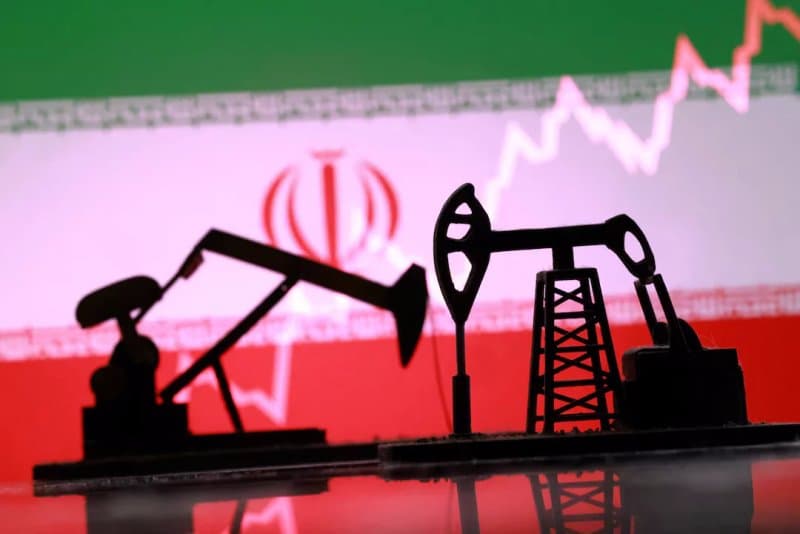
News.az quantifies the potential shock, saying a Hormuz blockade could “remove more than 17 to 20 million barrels of oil per day from global supply,”
while Newsday warns that a month-long closure would push crude “well into triple digits.”
Escalation and long-term effects
Beyond immediate shortages, commentators warn the crisis raises the risk of wider military escalation and could accelerate long-term energy shifts.
“- Iran threatens Strait of Hormuz, disrupting global shipping”
Forbes and other analysts warn of a “dangerous escalation dynamic” as efforts to reopen lanes could broaden into strikes on coastal infrastructure,
Reuters and Anadolu record U.S. warnings that any attempt to stop flows would draw forceful retaliation,
and News.az suggests that a major prolonged disruption “could accelerate the transition toward alternative energy sources” as countries seek to diversify supplies and increase renewables and nuclear investments.
More on Iran

US Defense Secretary Pete Hegseth Vows 'Most Intense' Day of Strikes in War on Iran
12 sources compared
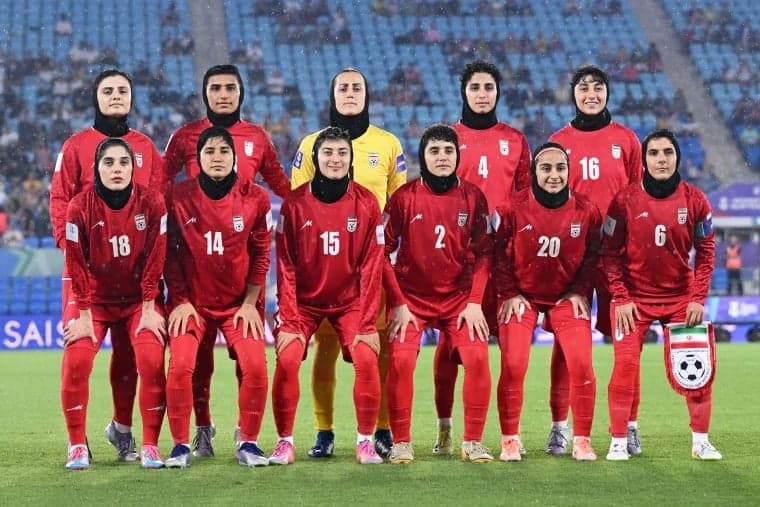
Australia Grants Asylum To Five Iranian Women's Soccer Players After Pressure From President Donald Trump
11 sources compared
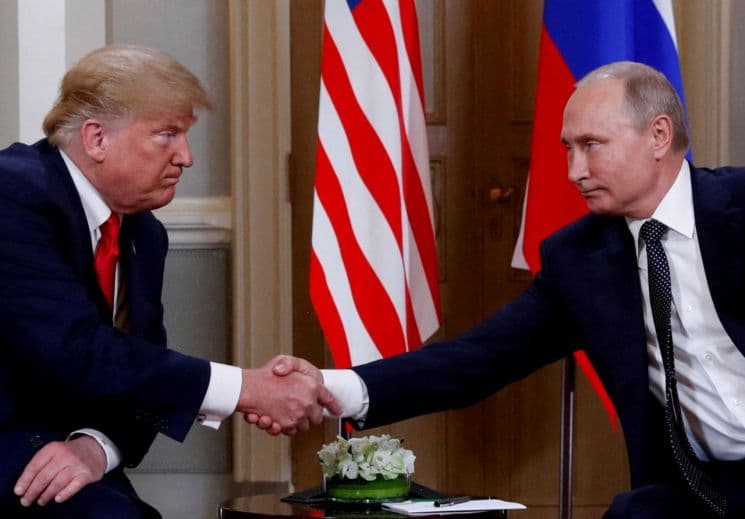
Putin Proposes Swift Plan to End War in Iran to Trump in Hour-Long Call
12 sources compared

Escalation in Iran Pushes Oil Near $120, Sparks Gas Price Surge in Los Angeles
10 sources compared