Australia09 March, 20262 min read
Australia Grants Asylum to Five Iranian Women's National Football Team Members Fearing Persecution
This article is an automated aggregation of coverage from news outlets. Our editorials offer in-depth analysis curated by the NewsCord team.
Australia granted humanitarian visas to five Iranian women's football players Players sought asylum while in Australia for the AFC Women's Asian Cup

Visas, safe location, processing
Australia granted humanitarian visas to five members of Iran’s women’s national football team after they sought asylum in Australia, with authorities moving the players to a secure location and processing their applications.
“Australia has granted humanitarian visas to five members of Iran’s women’s national football team after they sought asylum, fearing persecution if they returned home amid rising political tensions.”
Multiple outlets reported that the women were taken from their team hotel on the Gold Coast with police assistance and placed in safe accommodation while their visas were finalised, with Australian officials saying the players were now safe in the country.
Officials, names, Trump phone call
Australian ministers and other officials publicly confirmed the action and identified some of the players, while the case drew direct attention from U.S. President Donald Trump.
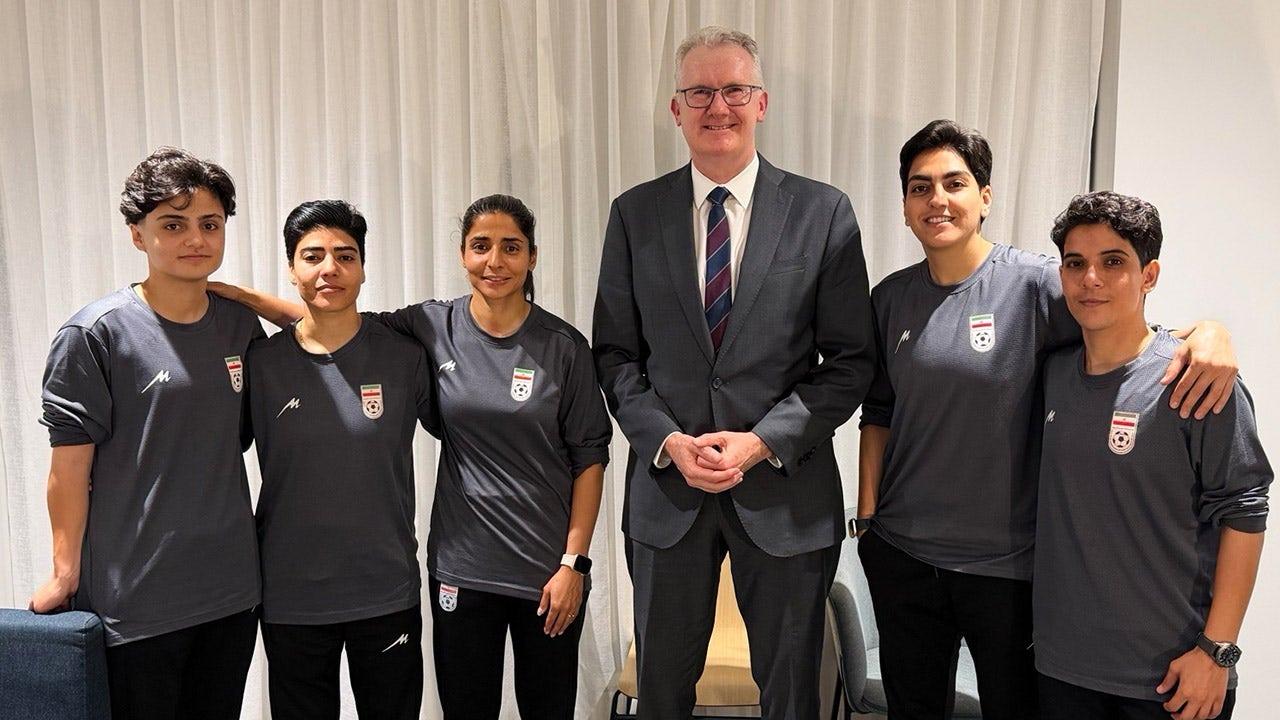
Australia’s Prime Minister and Home Affairs Minister framed the move as humanitarian, with Tony Burke posting photos and his office identifying the five by name, and media reporting that Trump spoke to Prime Minister Anthony Albanese about the situation.

Anthem boycott and backlash
The asylum requests were made against a backdrop of political backlash in Iran after the team declined to sing the national anthem at an opening match, prompting state-media denunciations and accusations of treason.
“Concern for the safety of the players had grown after Iranian state media criticized them for not singing the national anthem at a match in Australia.”
Coverage emphasised that concern for the players’ safety had escalated after state outlets and commentators portrayed the silence as a political act, with some reports noting threats and intense criticism directed at the squad.
Numbers and travel uncertainty
Reports differ about how many players left the team hotel and the whereabouts of some squad members, and Iranian media said other team members remained in Australia while plans to return via Dubai were blocked.
Several outlets noted that multiple players left the hotel—some sources said at least seven—and that at least two who left had not been located, while Iranian officials and federation voices discussed travel plans that ran into issues with the United Arab Emirates.
Reactions and precedents
The move prompted responses from player unions, community groups and government officials urging protection: the global union FIFPRO welcomed the decision but stressed concern for other players and their families, an Australian Iranian community petition urged authorities not to let team members depart amid credible safety fears, and officials framed the visas as a humanitarian offer with precedent in past evacuations of female athletes.
“Global players’ union FIFPRO said granting asylum to the five players was a positive step, but they continue to be concerned about the safety and wellbeing of the other players and their families in Iran.”
Australian ministers reiterated that the offer was open to the whole squad while unions and campaigners called for continued attention to the players’ agency and family safety.
