Protests29 October, 20253 min read
Australian Cyber Spy Pleads Guilty to Selling US Trade Secrets to Russia
This article is an automated aggregation of coverage from news outlets. Our editorials offer in-depth analysis curated by the NewsCord team.
Peter Williams pleaded guilty to stealing and selling eight zero-day cyber exploits to Russia. Williams worked as general manager at L3Harris Trenchant, a U.S. defense contractor subsidiary.

17 outlets told this the same way.
Outlets did split on France Suspends Police Stun Grenades at High School Protests After 15-Year-Old Loses Hand →
Spy Guilty of Selling US Secrets
An Australian former intelligence insider, Peter Williams, pleaded guilty in Washington, DC, to stealing and selling US defense trade secrets and advanced cyber exploits to a Russian broker over a roughly three‑year period beginning in April 2022. Accounts diverge on valuations and sums: sources report eight stolen exploit components intended for exclusive use by the US government and allies, with figures ranging from about $1.3 million in crypto proceeds to around $1.97 million. Separate valuations place the stolen material between $2 million and around $35 million.
“Over three years, Williams exploited his access at Trenchant, a subsidiary of L3 Harris, to steal at least eight cyber exploits intended for exclusive use by the US government and allies.”
Several outlets identify the buyer as a Russian zero‑day broker linked to the Russian government, and one names the platform as Operation Zero. Authorities say the theft caused massive downstream harm and are moving to seize Williams’ US and Australian assets, including a Washington home and luxury goods.
Cybersecurity Breach and Impact
US officials characterize the breach as severe, citing tens of millions in losses and likely widespread victimization. The Nightly reports the Justice Department assessed over $53 million in losses and warns the stolen tools were likely used against numerous victims. Western mainstream outlets emphasize allied impacts.
Sky News Australia says the theft harmed intelligence communities in both Australia and the US. The Sydney Morning Herald calls it a serious national security breach. Security Affairs notes the case among a wave of active cyber threats, underscoring the broader risk landscape.

Australia’s cyber spy agency has declined to comment on Williams’ clearance status or any compromise to its systems. This highlights ongoing uncertainty for Five Eyes stakeholders that used Trenchant’s offensive tools.
Sentencing and Asset Seizure Details
Sentencing expectations vary across different news outlets. The Sydney Morning Herald reports that Williams is under house arrest and faces up to 10 years, with sentencing scheduled for next year. Sky News Australia states he faces up to 20 years, specifying a sentencing date of January 27.
“Williams is under house arrest with sentencing scheduled for next year and faces up to 10 years in prison and heavy fines.”
Information Age also mentions a potential sentence of up to 20 years but expects Williams to serve at least 10 years. The ABC reports that his lawyer anticipates a custodial sentence exceeding ten years.
StartupNews provides plea-agreement guidance suggesting a sentence between 87 to 108 months. Meanwhile, authorities are moving to seize assets on both sides of the Pacific, including a Washington home, luxury items, and bank funds.
Global Zero-Day Exploit Market
Coverage highlights the opaque global market for zero-day exploits. Risky Business identifies Operation Zero as the broker reselling to non-NATO buyers, including Russia. Williams was L3Harris Trenchant’s former general manager and led an internal investigation that resulted in a researcher being fired, though the researcher denied involvement.
WIRED places Williams within broader reporting on Operation Zero, describing it as a Russia-based platform that purchases zero-day vulnerabilities. Букви emphasizes the private cyber-weapons market and calls for stronger oversight and regulation.
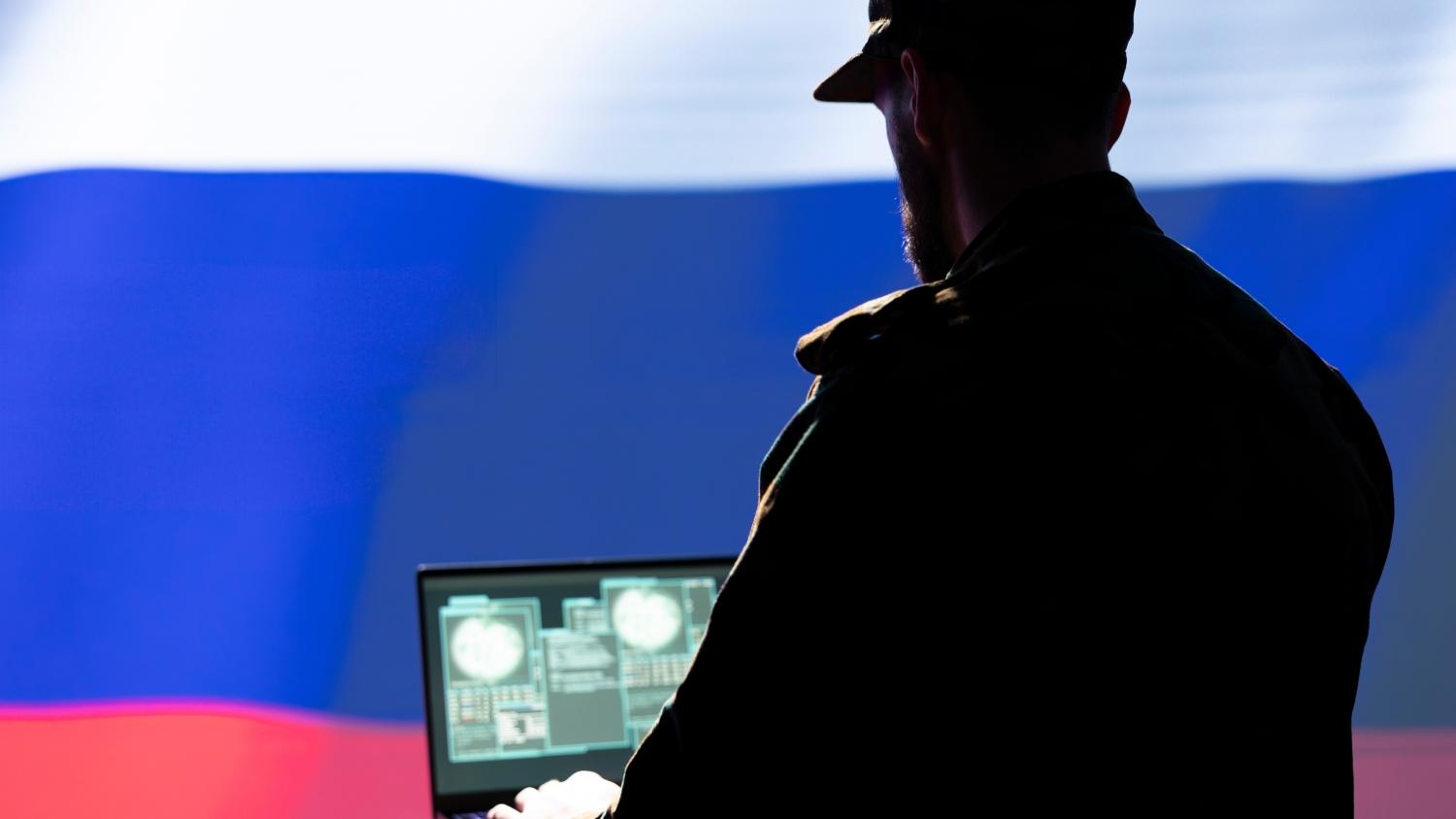
Unlike other reports, Букви refers to Williams as the former CEO of Trenchant. Local Western reporting highlights the exposure of Five Eyes through Trenchant’s offensive tools.
Uncertainties in Cybersecurity Reporting
Significant uncertainties and gaps persist across coverage. The Nightly says Australia’s ASD declined to comment on Williams’ clearance or any compromise, leaving key facts still unknown. Some outlets imply specifics about exploit types; Risky Business says they likely included Google Chrome and iOS vulnerabilities.
“The Australian Signals Directorate has declined to comment on whether Williams still holds a security clearance or if its systems were compromised.”
Many Western mainstream sources avoid naming targets. Meta-coverage further muddies clarity: The Cyber Express supplies no article content to assess.

The Times of India’s item is off-topic, profiling its world desk rather than the case. These omissions and ambiguities explain why figures, roles, and even the buyer’s identity vary across reports.