Australia09 February, 20262 min read
Australian Police Crack Down on Thousands Protesting President Isaac Herzog's Visit as Civic Groups Denounce 'Excessive' Force
This article is an automated aggregation of coverage from news outlets. Our editorials offer in-depth analysis curated by the NewsCord team.
Thousands protested across multiple Australian cities against Israeli President Isaac Herzog's visit Police used pepper spray, tear gas and heavy-handed tactics to disperse and remove protesters
18 outlets told this the same way.
Pro‑Palestinian protests in Australia
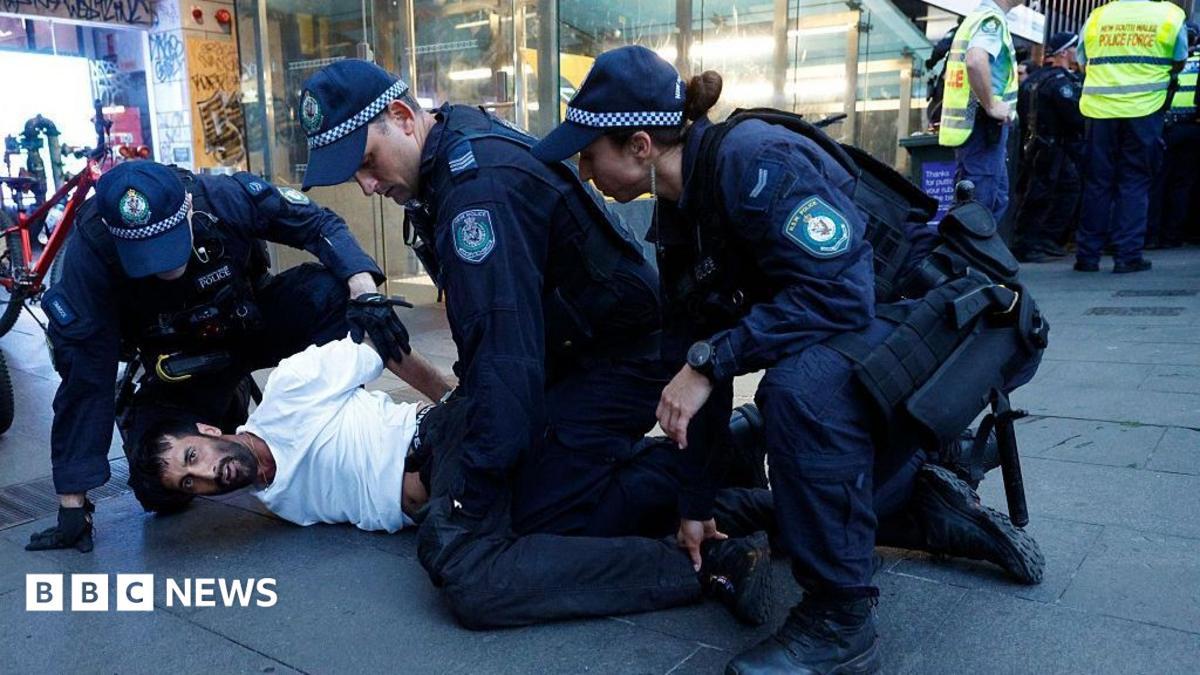
Thousands of Australians staged large pro‑Palestinian protests across multiple cities as Israeli President Isaac Herzog began a four‑day state visit intended as a show of solidarity with Australia’s Jewish community after the Bondi Beach Hanukkah shooting. In Sydney the rallies turned confrontational when police used mounted officers, pepper spray, tear gas and physical force while making dozens of arrests.
“Israeli President Isaac Herzog began a four-day visit to Australia, laying a wreath at Bondi Beach and meeting families of victims of the December 14 attack, calling the trip 'one of solidarity, strength, and sincere friendship' from Israel.”
Organizers and witnesses described the police response as excessive. Reporting varied in detail: The Forward said Herzog called the trip "one of solidarity, strength, and sincere friendship"; Al Jazeera reported that witnesses and campaigners described excessive police violence, including pepper spray and officers grabbing and throwing people who were praying; and the BBC said pro‑Palestinian groups staged a large protest in Sydney and organizers said nonviolent demonstrators were met with "unprovoked police brutality."
Policing during Herzog visit
Authorities invoked expanded "major event" policing powers in New South Wales and deployed an estimated thousands of officers with helicopters and mounted units to secure Herzog’s itinerary. They ordered designated protest areas and banned marches. Clashes ensued when protesters attempted to defy restrictions and approach the NSW parliament.
The confrontations resulted in arrests and injuries to officers and demonstrators as police used capsicum spray and moved to clear the CBD. Reports differ on arrest numbers: The Age reported 27 arrests, with police saying 10 were for assaulting officers and 17 for failing to comply; The Straits Times said a journalist saw at least 15 people arrested. The Forward reported that New South Wales declared the visit a "major event," expanding police powers, and that Palestine Action Sydney failed in a court challenge.

Footage of police at prayers
Footage circulated showing officers appearing to grab and push Muslim men while they prayed near Town Hall. That footage prompted urgent condemnation from religious groups and civic organisations, which demanded accountability and an investigation. The National Imams Council called the footage 'shocking, deeply disturbing, and entirely unacceptable,' while Democracy in Colour and Amnesty Australia described the policing as silencing peaceful protest and undermining accountability for alleged crimes in Gaza.
“The Australian National Imams Council called footage of Muslims being pushed while praying 'shocking, deeply disturbing, and entirely unacceptable'.”
Official reactions to incident
Political leaders and police officials publicly defended the visit and the law‑and‑order approach while urging calm. NSW Police Assistant Commissioner Peter McKenna told a late‑night press conference that organisers 'incited' the crowd to march and praised officers’ conduct. Prime Minister Anthony Albanese and state leaders urged de‑escalation.
Civic groups and some local Jewish signatories called for Herzog to be disinvited or investigated. The reporting cited includes The Age, The Forward and Al Jazeera.