Australia19 December, 20252 min read
Australian Prime Minister Anthony Albanese Orders Urgent Review of Police and Intelligence After Bondi Antisemitic Massacre
Prime Minister Anthony Albanese ordered a comprehensive review of police and intelligence operations Two Bondi gunmen killed 15 people and injured dozens at a Hanukkah celebration
26 outlets told this the same way.
Bondi Hanukkah shooting
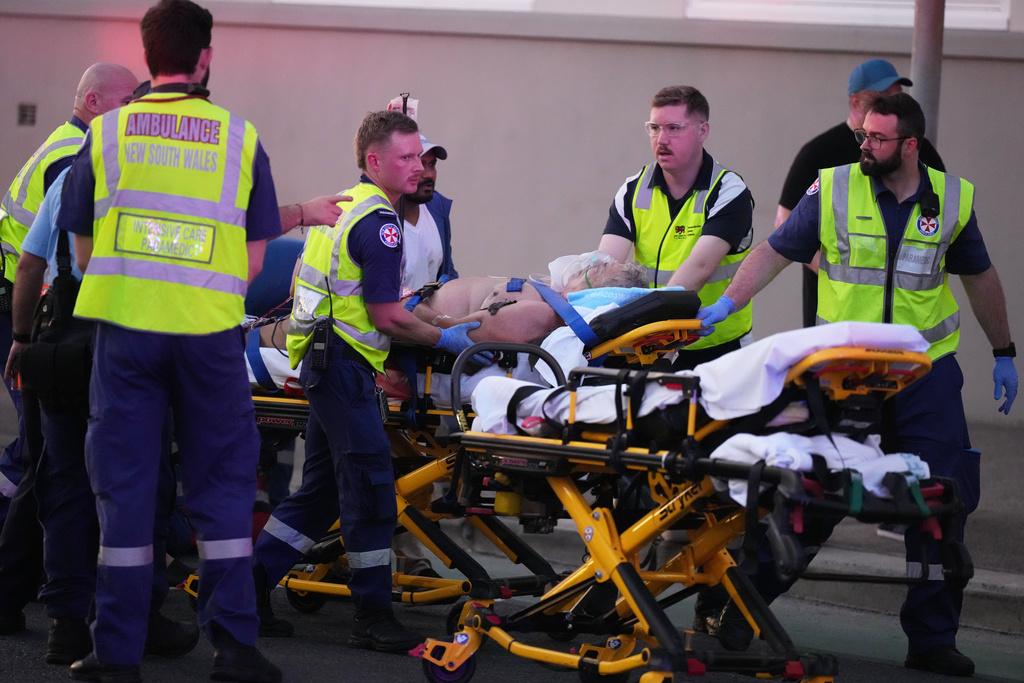
On December 14, a mass shooting at a Hanukkah event near Bondi Beach killed 15 people and wounded dozens. Authorities described the attack as antisemitic and said it was likely inspired by Islamic State-style ideology. Police said two men were involved, identified in reports as father and son Sajid Akram (50) and Naveed Akram (24).
“Prime Minister Anthony Albanese has backed NSW Premier Chris Minns’ call for a state-based royal commission into last weekend’s Bondi Beach mass shooting that killed 15 people.”
Sajid Akram was killed at the scene while Naveed Akram has been charged with multiple offences including murder and terrorism. In the days after the attack, eyewitnesses, volunteers and community members mounted large public tributes and memorials. Lifesavers and surfers formed human chains and held minutes of silence to honour the victims.
Security review after massacre
Prime Minister Anthony Albanese ordered an urgent, comprehensive review of police and intelligence operations after the massacre. He described the attack as "a horrific act of terror" in some reports. Officials said the review aims to determine whether security agencies missed warning signs and to identify operational gaps.
Outlets reporting the review include Khaama Press, which directly states that Albanese "has ordered a comprehensive review of police and intelligence operations." Other sources report leaders saying there is "no evidence that better intelligence sharing would have prevented recent killings," highlighting a tension between scrutiny and defensiveness.

Government firearms policy response
The federal government responded with a major policy package, most prominently a national firearms buyback described by multiple sources as the largest since the 1996 Port Arthur scheme, and also fast-tracked hate-speech and protest-related measures. Reporting varies on scale and framing, with The Sydney Morning Herald calling the buyback a compensated surrender scheme expected to cost about $1 billion and recover 'hundreds of thousands' of firearms, while the BBC and Al Jazeera report the government expects to collect hundreds of thousands of guns. The West Australian and NT News detail state measures such as temporary protest restrictions and a proposed cap on individual gun ownership.
“Anthony Albanese announced a national gun buyback to purchase and destroy surplus, newly banned and illegal firearms, with the government expecting to collect hundreds of thousands of guns.”
Political reactions and concerns
Political reaction is split: Prime Minister Albanese has offered federal support for NSW Premier Chris Minns' call for inquiries while resisting an immediate recall of federal parliament, saying complex laws require broad support. The Guardian reports Albanese will 'support whatever action the NSW government takes' and said the two governments are 'working in lockstep', while opposition figures in other outlets urged a prompt recall and harsher measures including a Commonwealth royal commission. Some commentators and civil-liberties groups warn that protest restrictions and new hate-speech laws risk curbing free expression.
Media coverage differences
West Asian outlets such as Al Jazeera, Arab News PK and Anadolu foreground alleged Islamic State inspiration and national firearms statistics, framing the response as urgent national security action. Western mainstream outlets including the BBC, The Guardian and the Sydney Morning Herald focus on legal and parliamentary responses, purchase-and-destroy buyback logistics and calls for inquiries.
“Anthony Albanese announced a national gun buyback to purchase and destroy surplus, newly banned and illegal firearms, with the government expecting to collect hundreds of thousands of guns.”
Local and tabloid outlets like The West Australian, The Mirror and NT News emphasise community grief, emergency protest measures and vivid scene descriptions. These differences influence whether readers interpret the story primarily as a terrorism episode, a gun-control moment, a civil-liberties debate or a community tragedy.