Austrian Parliament Bans Headscarves for Girls Under 14 in Schools

Austrian Parliament Bans Headscarves for Girls Under 14 in Schools

13 December, 202518 sources compared
Europe

Key Points from 18 News Sources

  1. 1

    Austria's National Council approved banning Islamic head coverings for girls under 14 in all schools

  2. 2

    Conservative-led coalition framed law as protecting girls and advancing gender equality
  3. 3

    Human-rights groups and opposition called the measure discriminatory and likely unconstitutional

Full Analysis Summary

Austria school headscarf ban

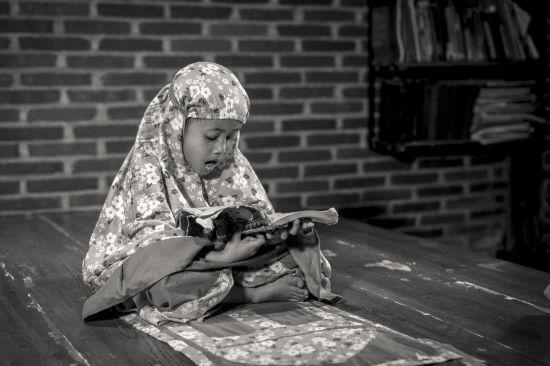
Austria's parliament approved a nationwide law banning girls under 14 from wearing headscarves that cover the head in accordance with Islamic traditions in public and private schools.

Authorities estimate it could affect roughly 10,000-12,000 children and say the law will take full effect in the 2026/27 school year after an introductory awareness phase beginning in February 2026.

The measure was advanced by the conservative-led coalition (ÖVP, SPÖ, Neos) and, according to some reports, included votes from the FPÖ.

Government ministers framed the law as protecting girls from pressure and defending gender equality, while the Greens were the only parliamentary party to oppose the bill.

Enforcement details in the statute include an initial school-level counselling process, involvement of child and youth welfare services for repeated breaches, and fines for guardians of up to €800.
Coverage Differences

Tone and framing

Some sources foreground government and coalition statements that the ban is a protective, gender‑equality measure — quoting ministers who call the headscarf a symbol of oppression or repression — while other outlets emphasize critics’ framing of the law as discriminatory and likely to marginalize Muslim children; these are different narrative emphases rather than direct factual contradictions about what the law does.

Scope and affected numbers

Most sources give a similar estimate (around 10,000–12,000 girls), but some reports phrase the scope in slightly different institutional terms (public/private schools, in‑class only, or excluding off‑site events); those nuances change how widely the ban is portrayed as reaching.

Enforcement and rollout timeline

The law establishes a stepped enforcement mechanism.

Schools are to begin with counselling and discussions between school authorities and legal guardians.

Repeat breaches must be reported to child and youth welfare services.

Fines of about €150 to €800 may be imposed on guardians who repeatedly refuse to comply.

Several reports specify a non-punitive awareness phase beginning in February 2026 ahead of full application in September 2026.

At least one legal reporting account states that teachers are not required to enforce the ban themselves but must notify school administration, which will take further action.
Coverage Differences

Enforcement mechanics and role of teachers

Sources differ in describing teachers’ obligations: Jurist.org explicitly says teachers are not required to enforce the rule but must notify school administration, while other outlets focus on school‑level counselling and the staged awareness phase without detailing teachers’ reporting duties; this is a difference in detail coverage rather than direct contradiction.

Temporal framing of the introduction period

Most outlets report the awareness/trial phase beginning in February 2026 and full implementation in September 2026; some descriptions label February as purely informational while others call it a trial, which affects interpretations of how punitive the early phase will be.

Reactions to Austrian headscarf law

The ÖVP–SPÖ–NEOS governing coalition pushed the bill and backed it in parliament, with only the Greens opposing it.

The far-right FPÖ said the measure did not go far enough and unsuccessfully sought a broader ban covering all pupils and staff.

Government figures such as Integration Minister Claudia Plakolm and Neos' Yannick Shetty defended the measure as protecting girls' freedoms, while critics — including Austria's Islamic Religious Community (IGGÖ), rights groups and some opposition voices — say the law singling out Islamic head coverings is discriminatory and risks deepening social divisions.

Coverage Differences

Political positioning and emphasis

Most sources agree on which parties supported or opposed the law; differences arise in emphasis: some outlets highlight FPÖ’s push for a wider ban and link the debate to anti‑immigrant sentiment, while others foreground official defenders’ gender‑equality rationale or the lone Greens’ opposition.

Narrative linking to anti-immigrant sentiment

Some outlets explicitly connect the law and FPÖ rhetoric to rising anti‑immigrant sentiment (Mid‑day, Arutz Sheva), while more legally focused outlets report the parliamentary vote without that contextual framing; this difference affects whether coverage frames the law primarily as a cultural or legal/policy issue.

Legal challenges to headscarf law

Legal context and expected challenges are a recurring theme.

Multiple reports recall that a previous headscarf restriction for younger schoolgirls was struck down by Austria’s Constitutional Court, noted as 2019 or 2020 in different accounts.

Austria’s Islamic Religious Community (IGGÖ) has said it will bring a constitutional challenge against the new law.

Some outlets report that the government chose not to attempt to give the law constitutional status, a choice commentators flagged as increasing the likelihood of judicial review.

Coverage Differences

Legal-history detail and dating

Sources consistently report that a prior ban was overturned by Austria’s Constitutional Court, but they differ on the exact year cited (2019 vs. 2020) in their snippets; this is an ambiguity in reporting dates rather than a substantive disagreement about the existence of precedent.

Reporting on legal strategy

Some reports emphasize IGGÖ’s stated intention to sue and call the law discriminatory, while Brussels Signal mentions the government declined to elevate the law to constitutional status — a factual point that commentators say could affect judicial review prospects.

Austria school headscarf debate

Human-rights organisations, Muslim community representatives and several commentators warn the law risks normalising anti-Muslim bias, deepening social divisions and pushing girls out of school.

Government supporters and some media frame the measure as protecting children’s autonomy and resisting gendered pressure.

Observers situate Austria’s move within a broader European trend of restricting visible religious symbols in schools.

Legal analysts note that the combination of political consensus in parliament and existing court precedent makes the near-term legal outcome uncertain.

Coverage Differences

Rights-group vs government framing

Rights groups and Muslim bodies are quoted warning about discrimination and social harm, whereas government spokespeople are quoted defending children’s autonomy; outlets vary in which voice they foreground — some (e.g., Jurist.org, The Logical Indian, Middle East Monitor) stress the human‑rights warnings while others (e.g., Daily Mail, Arutz Sheva) give greater space to official rationales.

Comparative/regional framing

Some sources explicitly place Austria’s law in a broader European pattern of symbol restrictions in schools (The Logical Indian), while others report on domestic political consequences or emphasise cultural conflict; this leads to different emphases on systemic trends versus national politics.

All 18 Sources Compared

5Pillars

Austria’s parliament approves school hijab ban for girls under 14

Read Original

Arutz Sheva

Austria bans headscarves in schools for girls under 14

Read Original

Brussels Signal

Austrian parliament big majority vote bans Muslim headscarf for schoolgirls

Read Original

Daily Mail

Austria bans headscarves in school for girls under 14 in crackdown by conservative-led government

Read Original

GB News

Austria joins France in banning headscarves in schools in 'clear commitment to gender equality'

Read Original

Indiablooms

Austria bans headscarves in schools for girls under 14, faces strong criticism

Read Original

Jurist.org

Austria approves school headscarf ban for girls under 14

Read Original

madhyamamonline

Austria passes law banning schoolgirls under 14 from wearing headscarves

Read Original

Mid-day

Austrian parliament approves headscarf ban in schools

Read Original

Middle East Eye

Austria announces ban on headscarves in schools for under-14s

Read Original

Middle East Monitor

Austria’s parliament approves controversial headscarf ban for girls under 14

Read Original

NewsBytes

Austria parliament passes bill banning hijabs in schools for under-14s

Read Original

ShiaWaves

Austria Approves School Headscarf Ban for Girls Under 14 Amid Constitutional Concerns

Read Original

Sri Lanka Mirror

Austria bans headscarves in schools for under-14s

Read Original

The Logical Indian

Austria Passes Nationwide Ban on Headscarves for Girls Under 14; Critics Call the Move Discriminatory

Read Original

zeta.pa

Austrian parliament approves headscarf ban in schools - Zeta - Las noticias al día

Read Original

매일경제

After Austria banned girls from wearing head scarves in school classrooms, Islamic groups protested.

Read Original

아시아경제

Fine Up to 1.4 Million Won for Violations... This Country Bans Female Students from Wearing Headscarves in Classrooms

Read Original