Europe11 December, 20252 min read
Austrian Parliament Outlaws Headscarves for Muslim Girls Under 14 in Schools
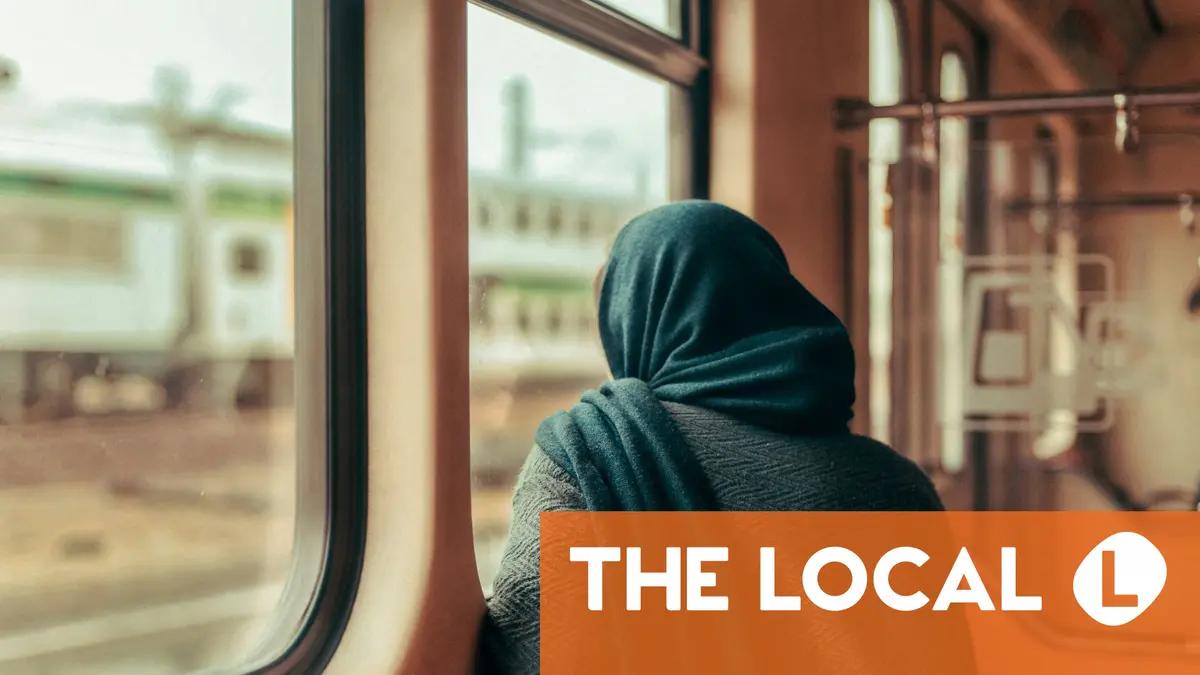
Parliament approved a law banning headscarves for girls under 14 in public and private schools Coalition parties ÖVP, SPÖ and Neos backed the ban with broad parliamentary support
13 outlets told this the same way.
Outlets did split on Marco Rubio Urges Europe To Awaken From Slumber In Athens Speech →
Austria school headscarf ban
On Dec. 11, 2025, Austria's parliament approved a law banning headscarves for girls under 14 in schools.
“Austria’s parliament on Dec. 11, 2025, approved a law banning headscarves for girls under 14 in public schools.”
Sources describe the measure with slightly different scopes — ranging from 'public schools' to 'all schools' — and say it explicitly includes public and private institutions while excluding off‑campus school events.

The vote passed with broad cross‑party backing, with only the Greens in opposition, according to reports.
The government frames the change as protecting minors and limiting what it calls headscarves 'worn according to Islamic traditions,' while critics warn the law risks stigmatizing Muslim pupils and deepening social divisions.
Arguments for headscarf ban
Proponents from the governing coalition framed the ban as a protection for children and as a way to promote girls' freedom and development. Officials and ministers described the headscarf as a "symbol of oppression" and repeatedly used language about protecting girls "from oppression". Neos parliamentary leader Yannick Shetty defended the measure as safeguarding minors and argued the headscarf "sexualises" girls, according to several outlets.
Reactions to the ban
Human rights organisations, the official Muslim representative bodies and opposition MPs described the law as discriminatory and likely to fuel anti-Muslim sentiment. Critics, including Amnesty International, Austria's Islamic Religious Community (IGGÖ) and the Greens, said the ban infringes religious freedom.
“Critics — including rights groups and the opposition Greens, who call the move unconstitutional — say the ban is discriminatory, infringes religious freedom and risks stigmatizing Muslim girls and deepening social divisions.”
They warned it risks stigmatizing Muslim girls and could be struck down in court because of past rulings. Some reports emphasize the risk of deepening social divisions and normalising Islamophobia.
Planned school enforcement measures
The law sets out enforcement steps and penalties that will be phased in next school year according to some reports. An educational phase starting in February is planned. Fines for repeated non‑compliance range from €150 to €800.
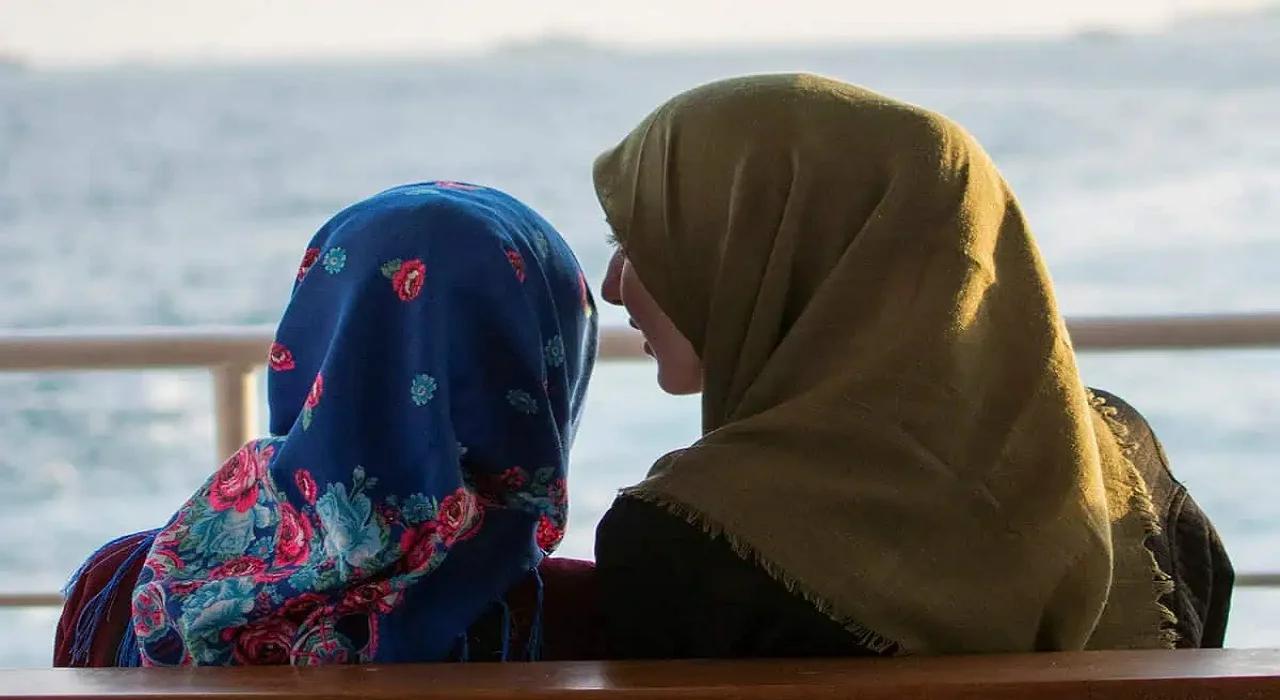
In some descriptions, repeated violations may trigger notification of youth welfare authorities. Authorities said teachers would not directly enforce the ban but would report cases to school administrations. Government estimates put the number of potentially affected girls at about 12,000.
Political and legal context
The law sits in a wider political and legal context. It was pushed through by a conservative-led government after a contentious election cycle and has parallels with earlier restrictions that Austria’s Constitutional Court previously struck down. Multiple outlets note that similar bans were overturned as discriminatory (reported dates vary between 2019 and 2020), and several groups — from IGGÖ to Amnesty and other rights organisations — have said they will explore legal challenges.
“The conservative-led government that proposed the law took office in March after a far‑right party won the election but failed to form a government.”