Tourism04 November, 20252 min read
Avalanche Buries Nepal Mountaineers, Killing Seven Including Five Foreigners
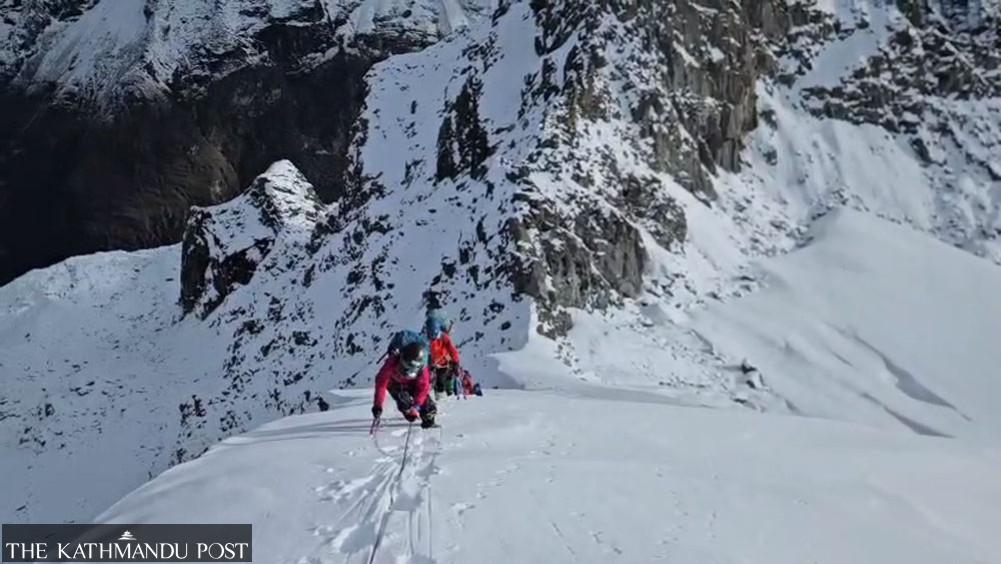
Avalanche struck Mount Yalung Ri base camp in Dolakha district, Nepal on Monday morning. Seven climbers died, including five foreigners and two Nepali guides; four remain missing.
15 outlets told this the same way.
Avalanche Tragedy in Nepal
A deadly avalanche struck Nepal’s Yalung Ri in Dolakha, killing at least seven climbers. The victims reportedly included five foreigners and two Nepalis. The avalanche affected a 15-member team in the Rolwaling Valley on Monday.
“An avalanche on Mount Yalung Ri in eastern Nepal has killed at least seven people, including five foreign climbers (three French, one Canadian, one Italian) and two Nepalis, with four others still missing.”
Multiple sources report that four climbers remain missing. Poor weather initially delayed rescue operations. There are differing accounts on whether the team was at base camp or ascending during the incident.

However, all agree the tragedy occurred on or near Yalung Ri, which is about 5,630 meters high. The climb took place under harsh conditions with persistent snowfall. Officials and media describe delayed helicopter access and a challenging search for the missing due to unstable snow.
Challenges in Mountain Rescue
Rescue operations were slowed by heavy snowfall, poor visibility, and unstable snow. These conditions delayed helicopters and forced ground teams to shoulder the initial response. Reports vary on injuries and evacuations, with some stating four Nepali climbers were evacuated or airlifted.
Others report five injured climbers and note that bad weather initially prevented helicopter flights. Injured survivors described long waits for help as authorities mobilized the Nepal Army, police, and local teams under adverse conditions.
Conflicting Reports on Foreign Casualties
There is clear confusion over nationalities involved in the incident. Multiple outlets—Al Jazeera, The Independent, and Latest news from Azerbaijan—report three French, one Canadian, and one Italian among the foreign deceased. In contrast, People and Northeast Live claim that three Americans were among the five foreigners.
“Victims include three French, one Canadian, one Italian, and two Nepali nationals.”
NE NOW provides a different list, naming two Italians, a Canadian, a German, and a French climber. Authorities had not publicly released names in some reports, which contributed to the discrepancies.
Avalanche Timing and Context
Timelines and setting also vary. Kathmandu Post times the avalanche at about 8:30 am; NE NOW reports around 9 am; The Himalayan Times places it at about 10:30 a.m. Several outlets say the strike was at or near base camp, while others say the team was ascending.
Tabloid accounts add expedition context: the 15-member team had spent the night in Na village and was acclimatising ahead of a Dolma Kang attempt, preparing to climb Yalung Ri as part of that process. Northeast Live adds that Na:gaun’s temporary relocation due to snowfall delayed reporting of the avalanche.

Avalanche Risks and Incidents
Heavy snowfall preceded the avalanche, and the end of the season is considered hazardous. Some reports include broader incidents in the Himalayas or notes about the terrain. The Himalayan Times reports that two more climbers died on Panbari Himal in a separate avalanche during the same period.
“At least nine climbers have died in two separate avalanches in the Himalayas following heavy snowfall.”
Bluewin E‑Mail highlights the tragedy occurring near the end of the autumn climbing season. Latest news from Azerbaijan describes Rolwaling’s mixed terrain and mentions two Italians missing on another peak in western Nepal. Букви provides details on base-camp and peak altitudes, although The Himalayan Times lists a much higher elevation for Yalung Ri, which differs from other sources.