Europe02 November, 20251 min read
Avalanche Kills Five German Climbers Including Father and Daughter in Italian Alps
This article is an automated aggregation of coverage from news outlets. Our editorials offer in-depth analysis curated by the NewsCord team.
Five German climbers died in an avalanche on Cima Vertana in the Ortler Alps. The victims included a 17-year-old girl and her father among two separate groups.

5 outlets told this the same way.
Outlets did split on Azerbaijan Bars Hijab in Schools, Sparking Protests in Baku and Arrests →
Avalanche Kills German Climbers
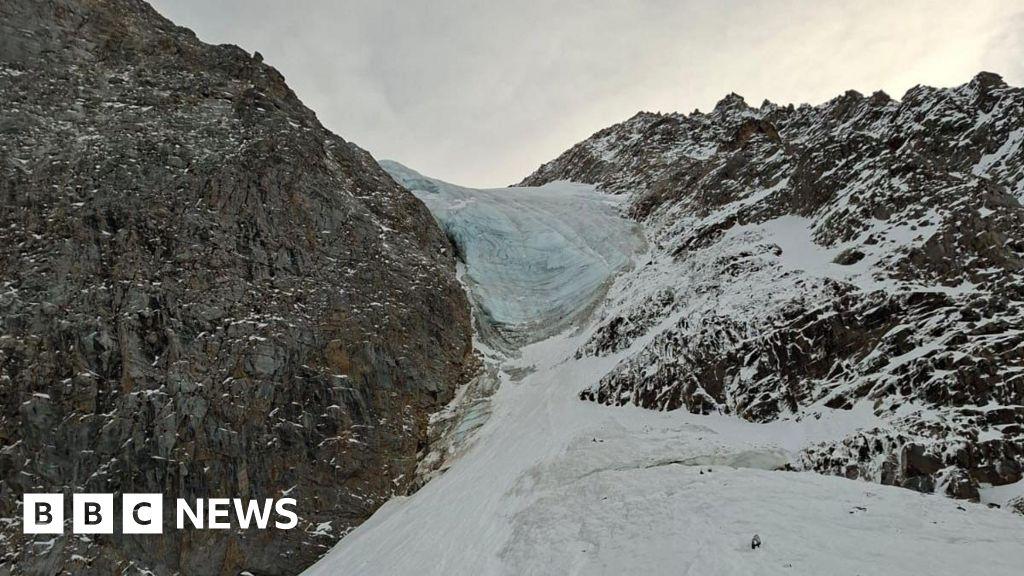
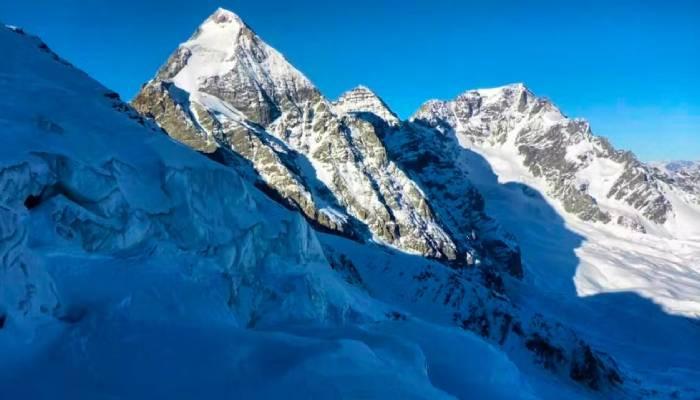
Five German climbers, including a father and his 17‑year‑old daughter, were killed when an avalanche struck in Italy’s Dolomite mountains. They were climbing Cima Vertana in the Ortler Alps on Saturday afternoon. One source specifies the time of the avalanche as around 4:00 pm.
“An avalanche in Italy's Dolomite mountains tragically killed five German climbers, including a teenage girl and her father.”
Another source situates the location near the Swiss border. All reports confirm the fatalities and identify the family relationship among the victims.
Mountain Climbing Accident Details
Reports agree that two separate climbing groups were hit. The first group of three was completely buried and died. The second group included a father and daughter who were carried off and later found dead.
Two other climbers from the second group survived. Some accounts note that the survivors sheltered themselves.
Another account emphasizes that the survivors alerted authorities. These differences highlight small but notable variations in how the survivors' actions are described.
Rescue and Recovery Efforts
Rescue and recovery unfolded over two days. Initial efforts were halted after three bodies were recovered due to darkness and safety risks. Search operations resumed later.
“Rescue efforts were paused after recovering three bodies due to darkness and safety concerns.”
The bodies of the father and his 17‑year‑old daughter were recovered the next morning, according to one account. Another report attributes delays more broadly to poor weather conditions, highlighting operational constraints in the high Alps.
Avalanche Causes and Location
One report attributes the avalanche to unstable, recently accumulated snow on the mountain. Other accounts refrain from assigning a specific cause.
All sources agree on the setting—Italy’s Dolomites with the specific peak Cima Vertana in the Ortler Alps mentioned. One account emphasizes proximity to the Swiss border, highlighting different ways of situating the same terrain.