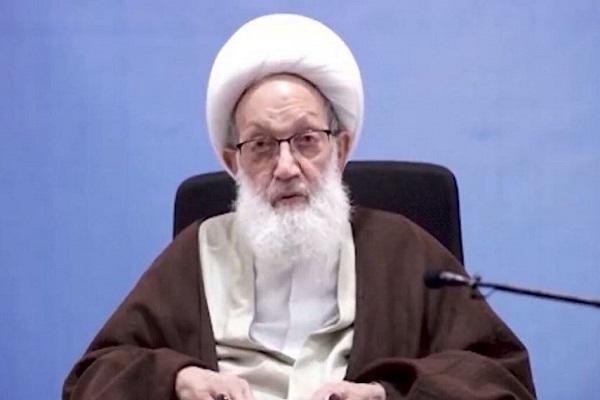
Ayatollah Isa Qasem Unveils Arabic Book Hikayat Al-Sayed in Tehran
Key Takeaways
- Arabic edition unveiling ceremony in Tehran highlighted the Leader's formative years.
- Iranian, Arab, and international figures attended the ceremony.
- Bahraini cleric Isa Qassim praised Khamenei as revolutionary, saying he returned the Ummah to Islam.
Book unveiling in Tehran
A televised message by Ayatollah Isa Qasem was shown at an event in Tehran to unveil the Arabic book "Hikayat al-Sayed," described by IRNA as dealing with the period of Ayatollah Seyyed Ali Hosseini Khamenei’s upbringing and the formation of his personality.
“Bahraini senior cleric Ayatollah Sheikh Isa Qassim praised late Leader of Islamic Revolution Imam Seyyed Ali Khamenei as a “revolutionary figure" who "returned the Ummah to Islam”
IRNA said the ceremony was held near the site of the martyrdom of the Leader of the Islamic Revolution, with the presence of Arab academic and cultural figures residing in Iran.
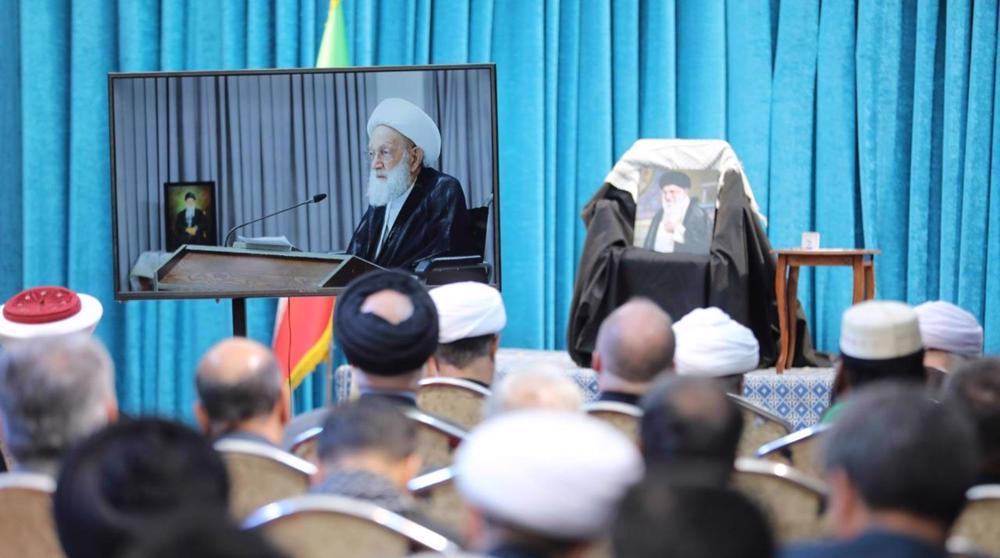
In the ceremony, Dr. Mohammad Akhghari, Deputy Director of the International Office for the Preservation and Publication of the Works of Ayatullah al-‘Uzma Khamenei, said, “Today, in a place where memory is interwoven with martyrdom, we stand with all respect and reverence before the memory of a figure who, through his knowledge and sincerity, has left a deep impact on hearts and souls.”
IRNA added that the book seeks to present “a living and authentic image” of the martyred leader and to lay before readers “a treasury of ethical, epistemic, and educational values.”
Qassim: faith vs ignorance
In his televised message to the unveiling event, Ayatollah Sheikh Isa Qasem described today’s Zionist-American aggression against Iran as “a battle between two camps of ignorance and faith,” and he portrayed Imam Khamenei as a prominent revolutionary figure with vigilance and firm determination.
PressTV said Qassim praised the late Leader of Islamic Revolution Imam Seyyed Ali Khamenei as a “revolutionary figure" who "returned the Ummah to Islam,” and it linked the praise to an event held on Thursday in Tehran.
PressTV also quoted Qassim saying, “Imam Khamenei was a competent, capable, and diligent man in truly and genuinely returning the Ummah to Islam,” and it described his role in preserving the unity of the Islamic Ummah “along its correct path.”
In the same message, PressTV framed the war as blazing between the camp of ignorance and the camp of faith, with the camp of ignorance led by “American tyrant, misguided Zionism, and a Judaism that has rebelled against the true religion of Prophet Moses (peace be upon him).”
Assassination and family
PressTV stated that Imam Khamenei was assassinated in a “cowardly US-Israeli attack on Tehran on February 28,” and it added that “Several members of his family were also martyred in the bombing.”
“Sheikh Qassim made the remark in a message to the unveiling ceremony of the book “Hikayat al-Sayyid” in the presence of Iranian, Arab and international figures, Al-Alam reported”
IRNA said the ceremony took place near the site of the martyrdom of the Leader of the Islamic Revolution, and it described the unveiling of the Arabic translation of the book Ravayat Agha titled Hikayat al-Sayed as giving “a cultural and spiritual dimension to this place.”
IRNA quoted Ayatollah Isa Qasem as saying, “The entire being of Imam Khamenei has been encompassed by the principles of that great and glorious, divine revolution,” and it presented the remarks as part of the televised message shown at the event.
In a separate speech at the ceremony, Ayatollah Husayn al-Mutaq said, “By reading this book we first become acquainted with the impact of that father in creating a faith-filled, pure, and worthy environment for the children,” tying the book’s subject to the environment that preceded the Islamic Revolution.
More on Iran

U.S. And Iran Agree To Stop Strikes, Hold Strait Of Hormuz Talks In Doha
19 sources compared
Trump, Iran Pause Strikes as Delegations Head to Qatar for Talks
11 sources compared
Trump Announces U.S.-Iran Doha Meeting After Days of Hostilities Threatened MoU Talks
24 sources compared
.jpg&w=3840&q=75)
Donald Trump Says U.S. and Iran Will Meet in Doha Tuesday After Days of Strikes
33 sources compared