Ayatollah Mojtaba Khamenei Vows Iran Will Protect Nuclear And Missile Capabilities
Key Takeaways
- Khamenei vows Iran will safeguard its nuclear and missile capabilities as a national asset.
- Pledge follows U.S. push for a wider deal and Hormuz-related tensions.
- Delivered as a written statement read aloud on Iranian state television.
Khamenei’s hard line
Iran’s supreme leader Ayatollah Mojtaba Khamenei vowed on Thursday that the Islamic Republic will protect its “nuclear and missile capabilities” as a national asset, as U.S. President Donald Trump presses for a wider deal to cement the war’s “shaky three-week ceasefire.”
“Iran’s supreme leader vows to protect nuclear and missile capabilities Iran’s supreme leader vows to protect nuclear and missile capabilities DUBAI, United Arab Emirates (AP) — Iran’s supreme leader said Thursday that the Islamic Republic will protect its “nuclear and missile capabilities” as a national asset, likely seeking to draw a hard line as U”
In a written statement read by a state television anchor, Khamenei maintained his defiant tone since taking over following the killing of his father in the war’s opening airstrikes.
Khamenei said the only place Americans belonged in the Persian Gulf is “at the bottom of its waters,” and he said a “new chapter” was being written in the region’s history.
The remarks came as Iran’s oil industry is being squeezed by a U.S. Navy blockade halting its oil tankers from getting out to sea, while the world economy is also under pressure as Iran maintains its chokehold on the Strait of Hormuz.
The Associated Press reported that “the world economy is also under pressure as Iran maintains its chokehold on the Strait of Hormuz, through which a fifth of all crude oil is transported,” and NBC News said the international benchmark for oil, Brent crude, rose to “more than $126 a barrel” before falling back to around $114 a barrel early Thursday.
NBC News also said President Donald Trump will be briefed Thursday on options for the way ahead in the Strait of Hormuz and on the ground in Iran, and that CENTCOM Commander Admiral Brad Cooper would brief Trump and the president’s senior national security team at the White House.
In the same AP account, Khamenei’s remarks were described as likely drawing a hard line as Trump seeks a wider deal, with the statement also signaling that nuclear issues and Iran’s ballistic missile program “wouldn’t be traded away.”
Hormuz, blockade, and prices
The standoff over the Strait of Hormuz is being framed in the sources as both an energy shock and a leverage contest, with Khamenei’s message arriving as oil prices surged and as the U.S. blockade continued.
The Associated Press said “the world economy is also under pressure as Iran maintains its chokehold on the Strait of Hormuz,” and it added that “On Thursday, the global benchmark for oil, Brent crude, traded as high as $126 a barrel.”
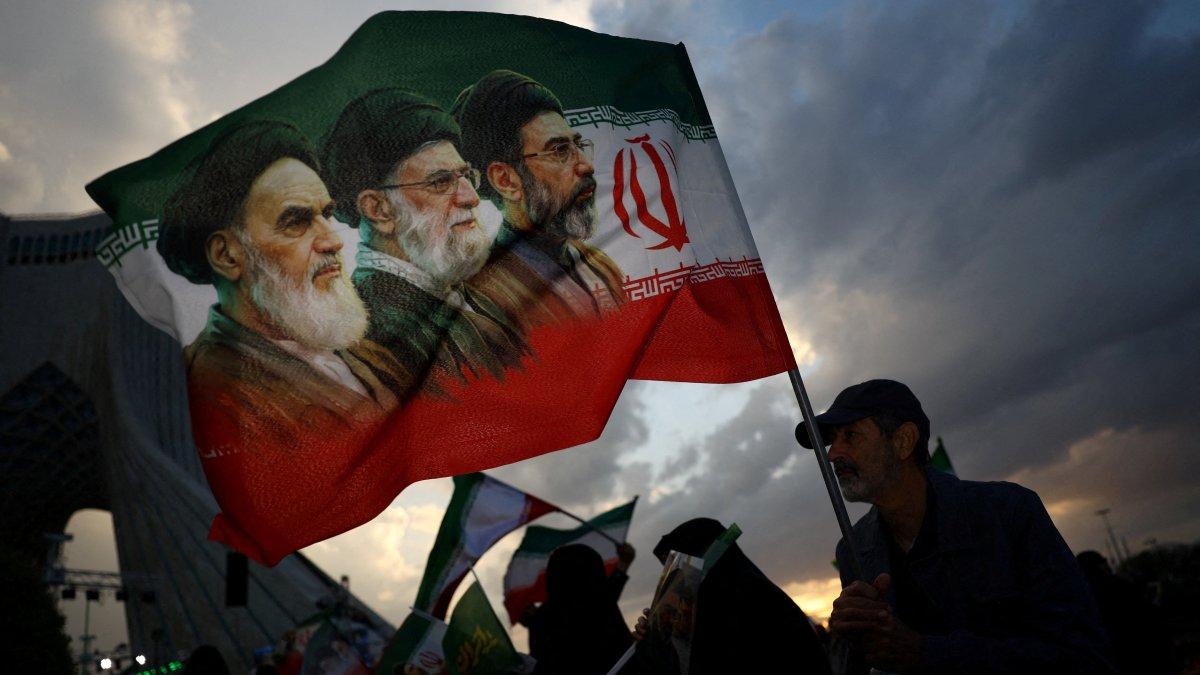
NBC News reported that Brent crude rose to “more than $126 a barrel at one point overnight” and then fell back to around $114 a barrel early Thursday, while also citing U.S. gas prices rising to “an average of $4.30 a gallon Thursday, also the highest level in nearly four years.”
NBC News connected the pressure on prices to the effective standstill in the waterway, saying “Traffic in the waterway has been at an effective standstill since Iran attacked shipping after the U.S. and Israel launched their joint military assault in late February.”
In the AP account, the U.S. blockade was described as designed “to prevent Iran from selling its oil, depriving it of crucial revenue,” and it said the strait’s closure was also a problem for “the U.S.'s Gulf allies, which use the waterway to export their oil and gas.”
NBC News said Trump told Axios on Wednesday that the blockade would “stay in place until Iran agreed to a nuclear deal,” and it described a new plan under which the United States would continue its blockade while coordinating with allies to impose higher costs on Iran’s attempts to subvert the free flow of energy.
Spectrum News 13 described the same dynamic as a U.S. blockade “halting its oil tankers from getting out to sea,” and it said the U.S. blockade is designed to prevent Iran from selling its oil while potentially creating a situation where Tehran has to shut off production because it has nowhere to store oil.
The sources also tie the economic strain to domestic politics and policy timing, with NBC News saying the spike came as Trump weighed possible military options to reopen the strait and as “the prospect of prolonged disruption in the strait has sent energy prices soaring despite the ceasefire.”
U.S. options and retaliation
While Khamenei’s statement hardened Iran’s position, NBC News described U.S. planning for the next steps in the Strait of Hormuz and on the ground in Iran, including a briefing for President Donald Trump by CENTCOM Commander Admiral Brad Cooper.
“Accessibility helpSkip to navigationSkip to main contentSkip to footer > Iran’s supreme leader vows to prevent ‘enemy’s abuses’ of Hormuz strait Subscribe to unlock this article Try unlimited access Only £1 for 4 weeks Then £59 per month”
NBC News said “President Donald Trump will be briefed Thursday on options for the way ahead in the Strait of Hormuz and on the ground in Iran,” and it added that Cooper would brief Trump and “the president's senior national security team at the White House.”
NBC News also reported that the update came after energy prices surged “with little sign of a deal to end the war,” and it said the spike followed an Axios report that the U.S. military was set to brief Trump on plans for potential military action to help break the deadlock in talks to end the war and reopen the key trade route.
One plan prepared by U.S. Central Command, NBC News said, includes a wave of “short and powerful” strikes intended to force Iran back to the negotiating table, according to Axios.
NBC News then included a warning from a senior Revolutionary Guard commander, Seyed Majid Mousavi, who vowed retaliation if the U.S. renewed its assault, saying, “With prolonged and wide-ranging painful strikes, we will, by the grace of God, respond to the enemy’s operations even if they are rapid and short,” and adding, “We have seen the fate of your fragile bases in the region; we will also see your warships.”
The AP-linked Gazette summary also said Defense Secretary Pete Hegseth was set to face another day of grilling on Capitol Hill from members of the Senate Armed Services Committee, with senators getting their first opportunity Thursday to question the Pentagon chief about his handling of the Iran war.
In that same AP summary, it said Hegseth “battled with Democrats during a nearly six-hour House Armed Services Committee hearing a day earlier,” and that he faced sharp questioning over “the war’s costs in dollars, lives and critical weapons.”
The sources also connect the U.S. posture to broader economic and political pressures, with the AP summary saying a key inflation measure jumped in March as gas prices soared, “the latest sign that the Iran war is pushing up the cost of living.”
Iran’s narrative and numbers
Several outlets emphasized that Khamenei’s statement was delivered in a written message read on state television and framed as a defense of national identity and sovereignty, while also asserting a “new chapter” for the Persian Gulf region.
The ynetnews report said Khamenei issued a threat to the United States, stating “We will protect our nuclear, missiles — US belongs at bottom of Persian Gulf,” and it quoted the statement’s claim that 90 million Iranians “will protect” the Islamic Republic’s nuclear and missile capabilities.

In the same account, ynetnews said the statement was published on X and read on Iranian state television, and it included a longer passage in which Khamenei said: “Ninety million proud and honorable Iranians inside and outside the country regard all of Iran’s identity-based, spiritual, human, scientific, industrial and technological capacities — from nanotechnology and biotechnology to nuclear and missile capabilities — as national assets, and will protect them just as they protect the country’s waters, land and airspace.”
The Associated Press and Spectrum News 13 both reported the “at the bottom of its waters” line, and Spectrum News 13 also said Khamenei had not been seen in public since becoming supreme leader.
Daily Sabah described Khamenei’s message as claiming the U.S. suffered a “disgraceful defeat,” and it quoted Khamenei saying, “Today, two months after the largest military deployment and aggression by the world's bullies in the region, and the United States' disgraceful defeat in its plans, a new chapter is unfolding for the Persian Gulf and the Strait of Hormuz.”
Daily Sabah also quoted Khamenei saying, “By God’s help and power, the bright future of the Persian Gulf region will be a future without America, one serving the progress, comfort and prosperity of its people,” and it included the statement that “We and our neighbors across the waters of the Persian Gulf and the (Gulf) of Oman share a common destiny.”
The Economic Times, drawing on the written statement, also quoted Khamenei’s “new chapter” language and the “future without America” line, while saying the statement framed the developments as a “new phase” in the Persian Gulf region and the Strait of Hormuz.
Across the sources, the same core message appears: Khamenei’s insistence that nuclear and missile capabilities are not negotiable, and his insistence that Americans have no lasting place in the Persian Gulf beyond “deep in its sea.”
What comes next
The sources portray the immediate future as a mix of continued pressure on Iran’s oil exports, ongoing U.S. blockade planning, and further political scrutiny in Washington, with Khamenei’s statement positioned as a signal that Iran will not trade away nuclear and missile issues.
“DUBAI, United Arab Emirates (AP) — Iran's supreme leader said Thursday that the Islamic Republic will protect its “nuclear and missile capabilities” as a national asset, likely seeking to draw a hard line as U”
The Associated Press said Khamenei’s remarks “signaled that nuclear issues and Iran’s ballistic missile program wouldn’t be traded away,” and it reported that “Khamenei signals strait will remain shut,” including that “Iran had been charging some ships reportedly $2 million apiece to travel through the strait.”
NBC News added that the U.S. blockade is designed to prevent Iran from selling its oil and that Trump is weighing multiple diplomatic and policy options to push Iran to end its chokehold, while also saying the U.S. is floating a plan to reopen the strait that would keep the blockade in place while coordinating with allies.
In parallel, NBC News reported that President Masoud Pezeshkian said in a statement that the U.S. blockade was “doomed to fail,” and it quoted him saying, “any attempt to impose a blockade and maritime restrictions is contrary to international law and against the interests of the nations of the region and global peace and stability.”
The AP-linked Gazette summary also pointed to U.S. domestic stakes, noting that Defense Secretary Pete Hegseth faced another day of grilling from the Senate Armed Services Committee and that the hearings were held on the Trump administration’s 2027 military budget proposal, which would boost defense spending to “a historic $1.5 trillion.”
The AP summary also said a key inflation measure jumped in March as gas prices soared, with the Commerce Department reporting an inflation gauge monitored by the Fed rose “0.7% in March from February,” and it said prices rose “3.5%” compared with a year ago.
In the background of these pressures, the AP summary said Khamenei’s remarks come as Trump seeks to cement the “shaky three-week ceasefire,” and it described the broader economic strain as the global economy feeling “the strain of Iran's chokehold on the Strait of Hormuz.”
Finally, the sources include a continuing military dimension: NBC News reported that a senior Revolutionary Guard commander, Seyed Majid Mousavi, vowed retaliation, while the AP summary said Hegseth’s handling of the Iran war would be questioned by senators.
Taken together, the sources depict a near-term horizon in which diplomacy and military planning proceed simultaneously, with energy prices, inflation, and congressional oversight all tied to the standoff over Hormuz.
More on Iran

Pentagon Tells House Armed Services Iran War Costs $25 Billion So Far
10 sources compared
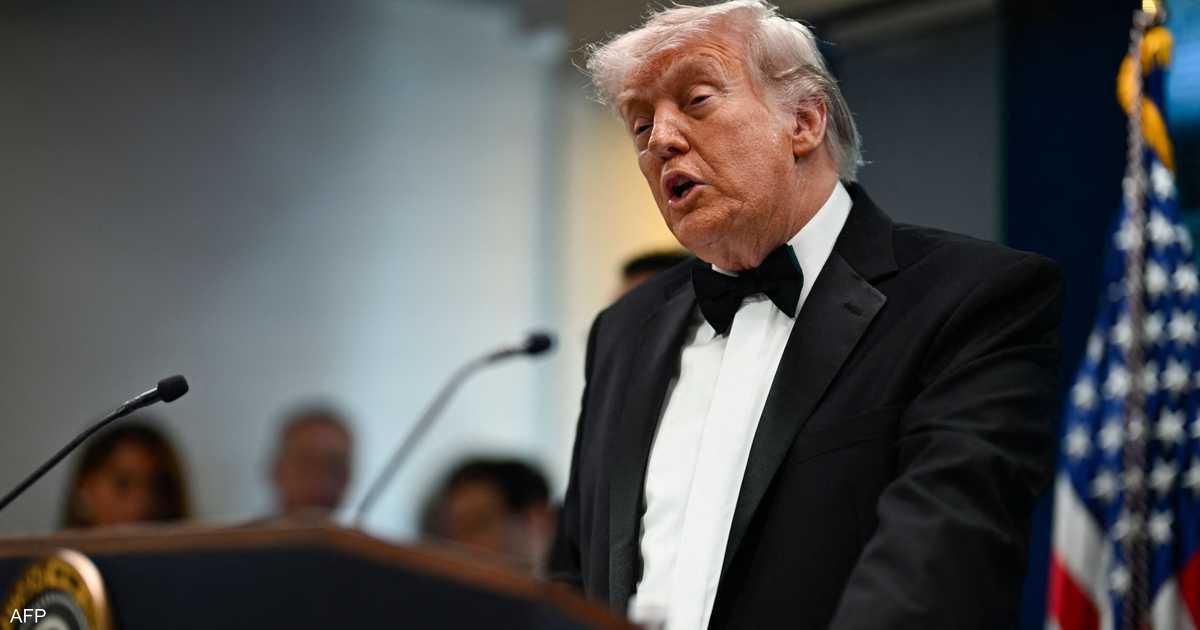
Brad Cooper Briefs Donald Trump on New U.S. Military Options Against Iran Thursday
15 sources compared

UN Rights Chief Volker Türk Says Iran Executed At Least 21, Detained Over 4,000
22 sources compared
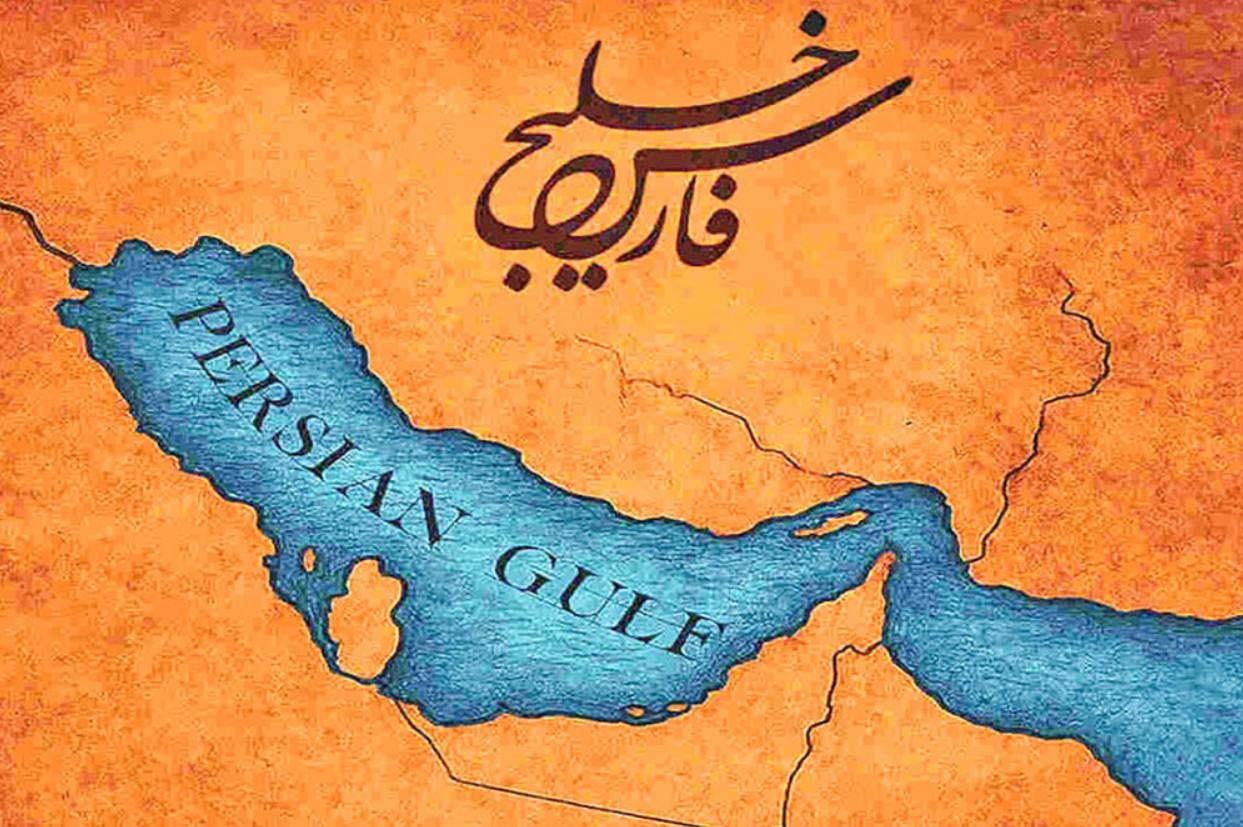
Masoud Pezeshkian Warns U.S. and Israel Over Naval Blockade Threats in Persian Gulf
16 sources compared