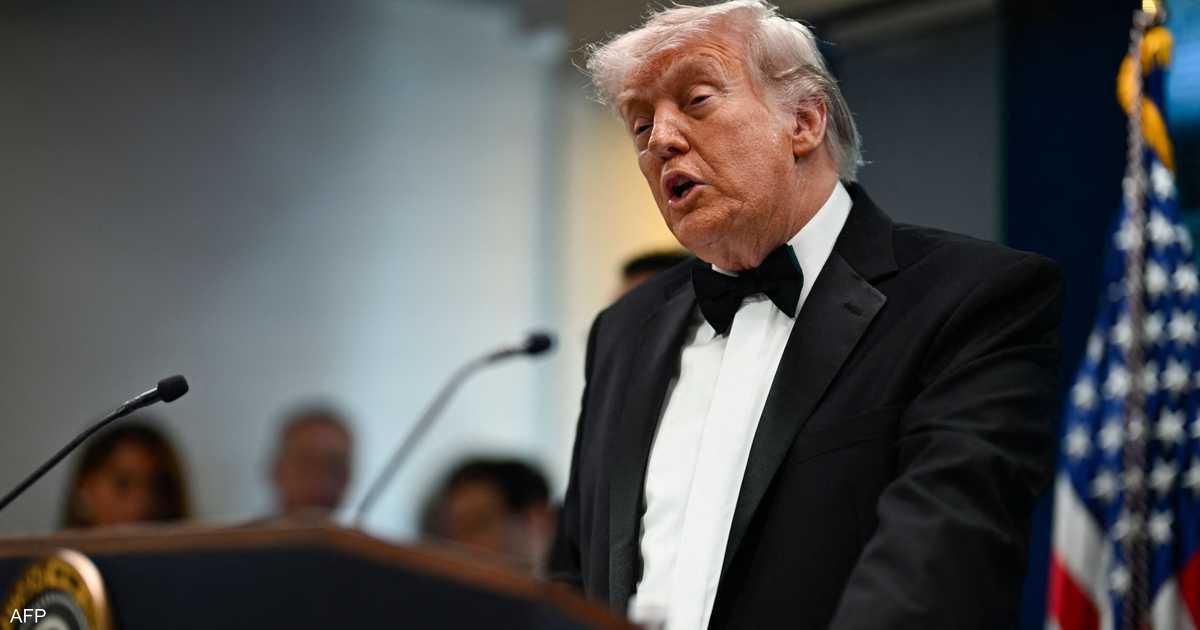
Brad Cooper Briefs Donald Trump on New U.S. Military Options Against Iran Thursday
Key Takeaways
- Brad Cooper will brief Trump on new options against Iran.
- CENTCOM prepared a short and powerful wave of strikes targeting Iran's infrastructure.
- The briefing indicates Trump is seriously considering new military options against Iran.
Briefing Signals Escalation
U.S. President Donald Trump is set to receive a high-level military briefing on Thursday from Central Command chief Brad Cooper on new plans for potential action against Iran, according to Axios as cited by multiple outlets.
“US military commanders to brief Trump on new options against Iran, Axios reports April 29 (Reuters) - U”
NDTV Profit reported that CENTCOM has drawn up plans for a “short and powerful” round of strikes, “likely targeting key infrastructure inside Iran,” and said the development suggests Trump is actively considering a return to large-scale combat operations.

Mint similarly said Trump will receive the briefing on Thursday from Brad Cooper and that CENTCOM has prepared a plan for a “short and powerful” wave of strikes on Iran, “likely including infrastructure targets.”
BBC said oil prices jumped after the report that the US military is set to brief Trump on new plans for potential action in the Iran war, with Brent crude rising “by almost 7% to more than $126 (£94) a barrel at one point.”
BBC also reported that the key Strait of Hormuz waterway is still “effectively closed,” and that about 20% of the world’s oil and liquefied natural gas (LNG) usually passes through the strait.
The same BBC report quoted Kpler’s Naveen Das saying, “It does seem as though escalation in the war is back on the table,” and added that an oil price approaching $125 is the point where businesses and politicians “start to get a bit more jittery.”
Options: Strikes, Hormuz, Uranium
Across the reports, the briefing is described as covering multiple military options rather than a single course of action.
Axios said CENTCOM has prepared a plan for a “short and powerful” wave of strikes on Iran “likely including infrastructure targets,” and framed the aim as breaking the negotiating deadlock on the nuclear issue.

NDTV Profit and Mint both described the same “short and powerful” strikes concept, with NDTV Profit adding that the options are likely to target “key infrastructure inside Iran.”
Axios also said another plan expected to be shared focuses on taking over part of the Strait of Hormuz to reopen it to commercial shipping, and that such an operation could include ground forces.
Mint and Al-Monitor both echoed that a Strait of Hormuz option could involve ground forces, while JNS.org described it as taking over part of the Strait of Hormuz and reopening it to commercial shipping.
A third option described by Axios, Mint, and Al-Monitor is a special forces operation to secure Iran’s stockpile of highly enriched uranium.
JNS.org added that Joint Chiefs Chairman Gen. Dan Caine and CENTCOM commander Adm. Brad Cooper are expected to attend Thursday’s deliberations, and it also said two sources told Axios that Trump sees the blockade as his primary leverage but would consider military action if Iran still will not concede.
BBC’s report tied the military planning to the wider energy disruption, noting that “about 20% of the world’s oil and liquefied natural gas (LNG) usually passes through the strait” and that the conflict has sent global energy prices soaring.
Blockade, Retaliation, and Iran’s Response
The briefing plans are presented in the context of a U.S. naval blockade of Iranian ports and ongoing threats in the Strait of Hormuz.
“WASHINGTON: President Donald Trump will receive a briefing on Thursday from the leader of the US Central Command, Brad Cooper, on new plans for potential military action against Iran, Axios reported on Wednesday”
NDTV Profit said the U.S. imposed a naval blockade on Iranian ports on April 13 “following the collapse of talks in Islamabad,” and described the blockade as a pressure tactic while “military escalation remains on the table if Tehran resists US demands.”
BBC similarly said the US would blockade Iranian ports “for as long as Tehran continues to threaten vessels that try to use the Strait of Hormuz,” and that Iran retaliated by threatening to attack ships in the waterway.
BBC also reported that a statement attributed to Iran’s Supreme Leader Mojtaba Khamanei said Tehran would secure the Strait of Hormuz and eliminate “the enemy's abuses of the waterway,” and that Khamanei’s statement said a “new chapter” for the region had been taking shape since the start of the US-Israeli war with Iran on 28 February.
JNS.org quoted Khamenei’s tweets on X, including “A new chapter for the Persian Gulf and the Strait of Hormuz is unfolding,” and said he claimed “Today, it has been proven to not only the global public opinion but even to the rulers of countries that the U.S.’s presence and establishment in the Persian Gulf is the main source of instability in the region.”
JNS.org also reported that Trump told reporters in the Oval Office on Wednesday that “at this moment, there will never be a deal unless they agree that there will be no nuclear weapons,” and it said Trump warned earlier on Wednesday that Iran “better get smart soon.”
In the same JNS.org account, Trump wrote on Truth Social that “Iran can’t get their act together,” and it included the line “No more Mr. Nice Guy!” from the edited picture caption.
Axios added that U.S. military planners are considering the possibility Iran will take military action against U.S. forces in the region in retaliation for the blockade, and it said Trump told Axios on Wednesday that he saw the naval blockade as “somewhat more effective than the bombing.”
Energy Shock and Market Jitters
The reports link the Iran military-option briefing to market and consumer impacts, especially through oil prices and the Strait of Hormuz disruption.
BBC said Brent crude rose “by almost 7% to more than $126 (£94) a barrel at one point,” and later fell back to around $114, while also noting that Brent touched “$126.31 a barrel earlier on Thursday, the highest since Russia's full-scale invasion of Ukraine.”
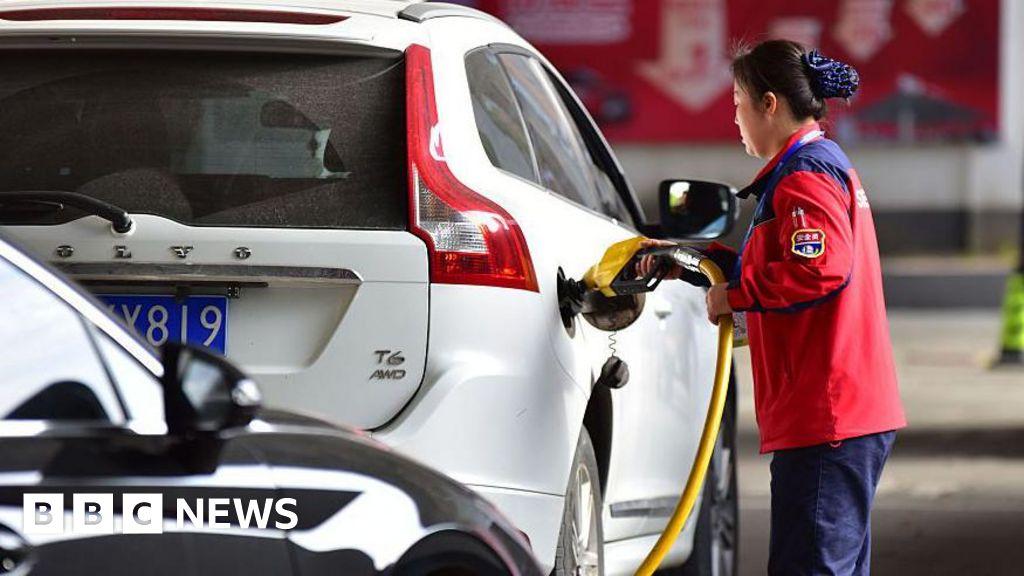
BBC reported that in the UK, petrol costs an average of “157p a litre,” which it said was “24p higher than before the start of the war,” and that diesel is at “188.5p a litre, up 46p compared with its pre-war price.”
BBC quoted RAC head of policy Simon Williams saying, “our analysis of wholesale costs shows petrol is now more expensive for retailers to buy than at any time since the war began,” and it also reported that some airlines have started to raise fares or reduce flights.
BBC added that fertiliser prices have started to increase, which could affect food prices, and it quoted Kpler’s Naveen Das saying an oil price approaching $125 is the point where businesses and politicians “start to get a bit more jittery.”
The BBC report also said energy executives met Trump on Tuesday to discuss ways to limit the impact of the war on US consumers, “fuelling concerns in the market about an extended disruption to energy supplies.”
Fortune’s newsletter similarly framed the market reaction, saying “Brent crude peaked at over $120 per barrel overnight” on news that Trump will consider returning to major combat operations, and that it “sank back to $111 this morning.”
Energy Connects (Bloomberg) described Brent rallying to a “wartime high,” saying it surged as much as “7.1% to eclipse $126 a barrel,” and reported that West Texas Intermediate jumped above “$110.”
Verification, Uranium, and Consequences
The briefing’s military options intersect with nuclear verification concerns and with the question of what comes next in negotiations.
“Oil price hits highest since 2022 after report Trump to be briefed on new Iran options Oil prices jumped to their highest since 2022 after a report that the US military is set to brief President Donald Trump on new plans for potential action in the Iran war”
Mint and NDTV Profit both described a special forces option to secure Iran’s stockpile of highly enriched uranium, and Mint added that Rafael Mariano Grossi, the Director General of the International Atomic Energy Agency, said Iran could access its stockpile of near weapons-grade uranium if it decides to retrieve the material thought to be entombed at sites bombed by the US.

Mint quoted Grossi: “It is accessible if there’s a wish to go there,” and said satellite images suggest the majority of material remains buried near the Iranian city of Isfahan.
Mint also said IAEA inspectors haven’t visited the sites where the material is located in 10 months, and it quoted Grossi saying, “An agreement without verification is an illusion.”
NDTV Profit similarly reported Grossi warning that Iran could still access its near weapons-grade uranium reserves, quoting him: “It is accessible if there's a wish to go there,” and it said satellite imagery suggests much of the material remains buried near Iran's Isfahan region.
NDTV Profit also reported that Grossi said, “It's on and off but there is a conversation,” and that he stressed, “An agreement without verification is an illusion.”
On the political side, BBC reported that the US blockade is intended to pressure Tehran while negotiations stall, and it quoted Kpler’s Naveen Das warning that escalation is back on the table and that oil price moves can drive broader economic jitters.
Axios and JNS.org both framed the briefing as a signal that Trump is considering resuming major combat operations to break the negotiating logjam or deliver a final blow, and Axios said Trump sees the blockade as leverage but would consider military action if Iran still won’t cave.
In the immediate term, the next step described in the sources is the Thursday briefing itself, with Axios saying Joint Chiefs Chairman Gen. Dan Caine is expected to attend and with multiple outlets tying the briefing to potential shifts in the blockade and Strait of Hormuz plans.
More on Iran
Ayatollah Mojtaba Khamenei Vows Iran Will Protect Nuclear And Missile Capabilities
10 sources compared

Pentagon Tells House Armed Services Iran War Costs $25 Billion So Far
10 sources compared

UN Rights Chief Volker Türk Says Iran Executed At Least 21, Detained Over 4,000
22 sources compared
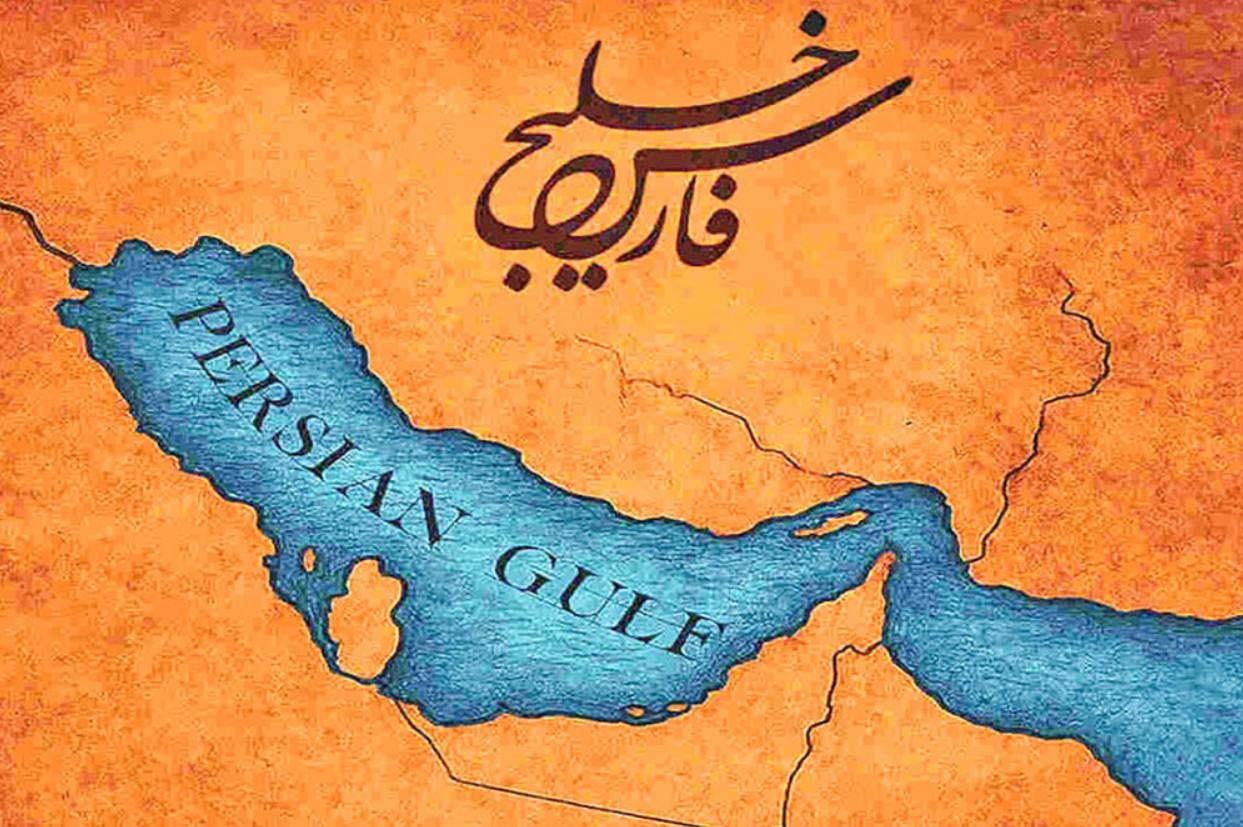
Masoud Pezeshkian Warns U.S. and Israel Over Naval Blockade Threats in Persian Gulf
16 sources compared