
Pentagon Tells House Armed Services Iran War Costs $25 Billion So Far
Key Takeaways
- The Pentagon estimates the Iran war has cost about $25 billion to date.
- Most of the expenditure thus far funded ordnance and weapons maintenance.
- The figure was disclosed by acting Pentagon Comptroller Jules Hurst III during a House hearing.
Pentagon’s $25B figure
The Pentagon told lawmakers that the U.S. war on Iran has cost $25bn so far, a figure Defense Secretary Pete Hegseth and other senior officials discussed during a hearing of the House Armed Services Committee.
“United States Defense Secretary Pete Hegseth has clashed with American lawmakers over the cost of war on Iran in his first appearance on Capitol Hill since the conflict – now into its third month – broke out”
In testimony described by Al Jazeera, the Pentagon’s acting comptroller, Jay Hurst, said the estimate reflected “the costs of the war,” including “costs of munitions expended in that total and other operational costs.”

NBC News reported that Hurst testified that “Approximately, of this day, we're spending about $25 billion on Operation Epic Fury,” and said “most of those costs are from munitions” along with “operations, maintenance and equipment replacements.”
Politico likewise quoted Hurst saying, “Approximately [to] this day, we’re spending about $25 billion on Operation Epic Fury, most of that in munitions,” and added that there is “part of that, it’s obviously [operations and maintenance] and equipment replacement.”
CNN and Military Times both described Hurst’s emphasis that the bulk of the cost was devoted to ordnance, with Military Times quoting him: “Approximately, at this day, we are spending about $25 billion on Operation Epic Fury, most of that is in munitions.”
The estimate was presented as the conflict neared a 60-day mark, with NBC News stating the cost estimate came “as the conflict nears a 60-day mark.”
What’s included—and what isn’t
Multiple outlets described the Pentagon’s $25 billion estimate as incomplete, with questions centering on what costs were counted and what costs were excluded.
CNN reported that the $25 billion estimate “does not include the cost of repairing extensive damage suffered by US bases in the region,” citing “three people familiar with the matter” and saying one source put the real cost “closer to $40-50 billion” when accounting for rebuilding and replacing destroyed assets.

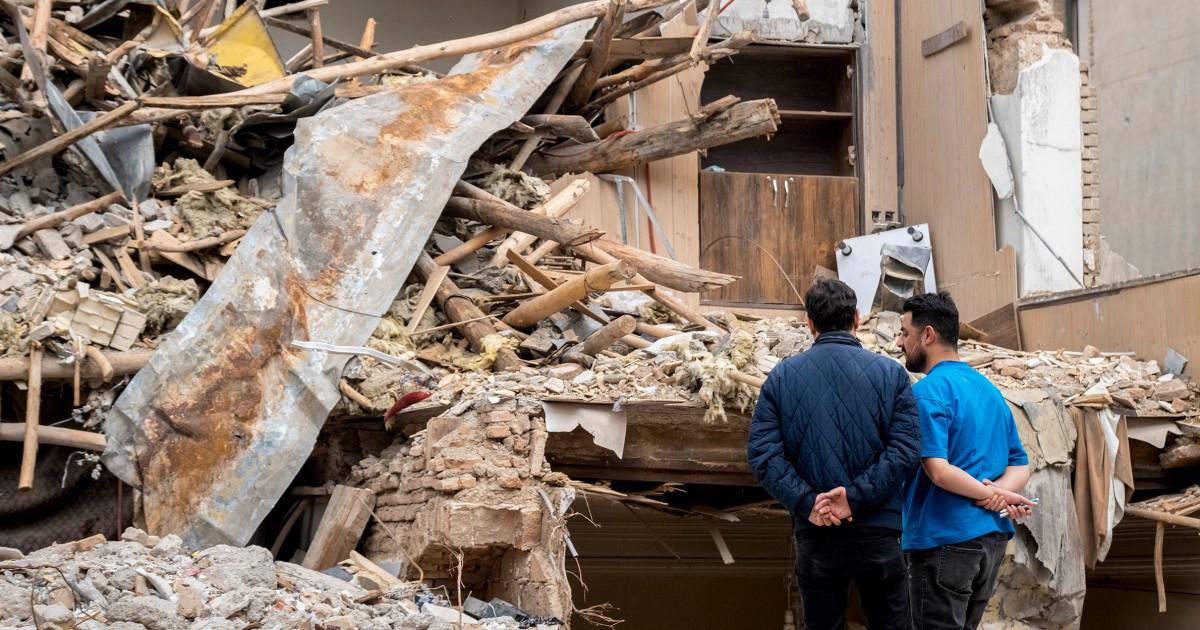
CNN also said Iranian strikes across the Gulf in the early days of the war “significantly damaged at least nine US military sites in just 48 hours,” naming facilities in Bahrain, Kuwait, Iraq, the UAE and Qatar.
CNN further described equipment losses, including “the radar system for an American THAAD missile battery in Jordan” and “buildings housing similar radar systems at two locations in the United Arab Emirates,” and it said “A US Air Force E-3 Sentry aircraft was also destroyed in an Iranian strike on a Saudi Arabia air base.”
NBC News reported that Hurst told lawmakers the $25 billion “just reflects the costs of the war,” explaining that “we’ve already spent the dollars on munitions and things like that, so we’re factoring in costs of munitions expended in that total.”
CNN said Hurst declined to say whether the $25 billion figure included repairing damage to US bases, and it quoted Hurst’s earlier position that the Pentagon “does not ‘have a final number for what the damage is to our installations overseas,’” and that it depends “on how we decide to rebuild those, or if we do.”
Debate in Congress
The hearing became a direct confrontation between the Pentagon’s cost framing and lawmakers’ skepticism about what the number means for Americans.
“Operation Epic Fury in Iran has cost American taxpayers roughly $25 billion so far, the Pentagon’s chief financial officer revealed on Wednesday”
Al Jazeera described Hegseth clashing with lawmakers over the cost of war on Iran, quoting Hegseth lashing out at critics with “The biggest challenge, the biggest adversary we face at this point are the reckless, feckless and defeatist words of Congressional Democrats and some Republicans.”
Al Jazeera also quoted Representative Ro Khanna asking whether lawmakers were being told the full economic story, saying, “Do you know how much it will cost Americans in terms of their increased cost in gas and food over the next year because of Iran?” and Khanna added, “Your $25bn number is totally off.”
NBC News reported that Rep. Maggie Goodlander criticized the Pentagon for not providing a breakdown, asking Hegseth, “We are 60 days in to your war of choice in Iran and you can’t give us an answer on the basic breakdown of American taxpayer dollars that have been spent?” and it quoted Hurst’s response that the explanation “just reflects the costs of the war.”
Politico described Ranking member Adam Smith as surprised by the specificity, quoting Smith: “I’m glad you answered that question, because we’ve been asking for a hell of a long time, and no one’s given us the number,” and it quoted Smith asking for details: “So if you could get those details over to us, that would be great.”
Military Times described Hegseth’s insistence that the expenditure was justified, quoting him: “The question that I would ask this committee is, ‘What is it worth to ensure that Iran never gets a nuclear weapon, considering the radical ambitions of that regime?’”
Costs beyond the Pentagon’s tally
While the Pentagon’s $25 billion estimate focused on munitions and operational costs, other reporting emphasized broader economic and strategic stakes tied to the blockade and energy prices.
Al Jazeera said Democratic leaders and “several economists” believed the Pentagon’s $25bn figure was “a significant underestimate,” and it quoted the range they put forward: “between $630bn and $1 trillion,” adding that “the actual cost to the US economy and the country’s 330 million people could amount to between $630bn and $1 trillion.”

Al Jazeera also reported that the Trump administration asked for a $1.5 trillion defence budget for next year, describing it as “a 42 percent increase, or the largest expansion in military spending since World War II.”
USA Today framed the administration’s posture around the blockade, quoting President Donald Trump in the Oval Office: “At this moment, there will never be a deal unless they agree there will be no nuclear weapons,” and it described the blockade as expected to exact “a heavy economic toll on Iran” while threatening to raise costs for Americans.
USA Today also quoted Central Command estimating that the blockade had deprived Iran of “$6 billion” after the Navy stopped “41 oil tankers” from leaving the region, saying “That’s an estimated $6 billion-plus from which Iran’s leadership cannot financially benefit.”
Al Jazeera connected the blockade and Strait of Hormuz control to U.S. consumer costs, stating that gas prices hit “a new high at $4.23 a gallon” and that “The Brent crude benchmark has been trading above $120.”
What comes next
The reporting also laid out what officials said would happen after the hearing, including supplemental funding and further cost breakdowns, while other outlets described competing plans for how the conflict might proceed.
“A top Pentagon official said Wednesday that the cost of the ongoing U”
Al Jazeera reported that the Pentagon’s acting comptroller, Jay Hurst, told the committee’s top Democrat from Washington, Adam Smith, that “We will formulate a supplemental [on additional funding], through the White House, that will come to Congress once we have a full assessment of the cost of the conflict,” and it said Hurst promised to provide a cost breakdown later.
NBC News similarly quoted Hurst saying, “We will formulate a supplemental, through the White House, that will come to Congress once we have a full assessment of the cost of the conflict,” and it described his later promise to provide a cost breakdown after questions from Rep. Maggie Goodlander.
Politico reported that the $25 billion price tag came as administration officials discussed a supplemental request of “up to $200 billion,” and it said officials stressed publicly that they “haven’t yet settled on a price tag for a supplemental request.”
CNN reported that the department asked the White House last month to approve “a request to Congress for over $200 billion in additional military funding for the ongoing war,” and it said Hurst told reporters the Pentagon does not have a final number for damage to overseas installations.
In parallel, USA Today described the administration’s stance on continuing the blockade, quoting Trump’s “genius” framing of the maritime blockade and saying he wouldn’t specify how long it would last, with Trump telling reporters, “The blockade is genius, OK?” and “The blockade has been 100% foolproof.”
More on Iran
Ayatollah Mojtaba Khamenei Vows Iran Will Protect Nuclear And Missile Capabilities
10 sources compared
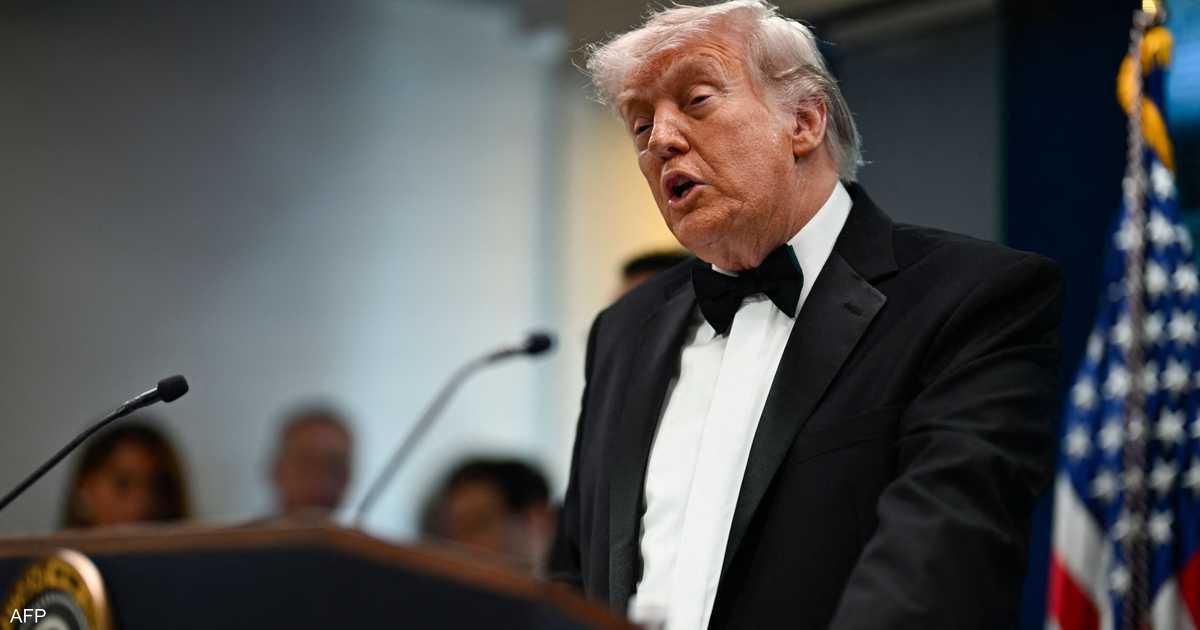
Brad Cooper Briefs Donald Trump on New U.S. Military Options Against Iran Thursday
15 sources compared

UN Rights Chief Volker Türk Says Iran Executed At Least 21, Detained Over 4,000
22 sources compared

Masoud Pezeshkian Warns U.S. and Israel Over Naval Blockade Threats in Persian Gulf
16 sources compared