Full Analysis Summary
Young seal rescue
A young fur seal wandered into a Richmond, New Zealand, pub and hid in a restroom under a dishwasher.
Staff unplugged the appliance, fetched a dog crate and lured the animal out with salmon from a pizza special before conservation rangers collected and released it on nearby Rabbit Island, a dog-free safe spot.
New Zealand's Department of Conservation (DOC) said such inland appearances are common during an annual 'silly season' as growing seal and sea lion populations and young animals following rivers turn up in unexpected places.
Pub staff nicknamed the seal Fern and said it is welcome back.
Coverage Differences
Tone and level of factual detail
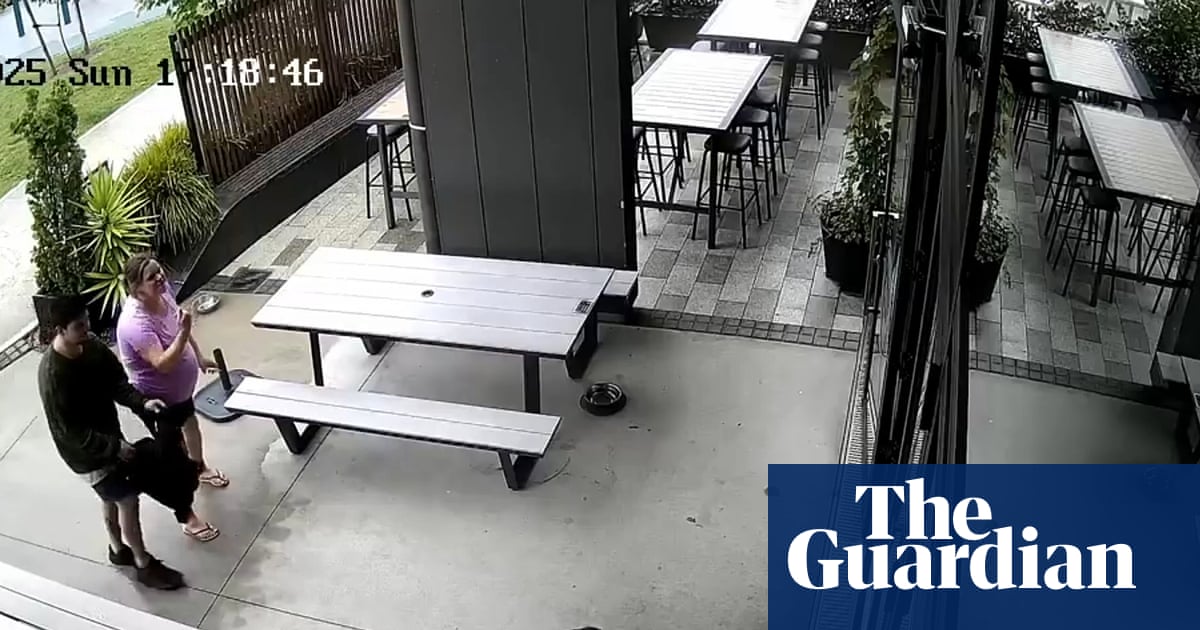
CBS News (Western Mainstream) provides a detailed, factual narrative of the incident including actions taken by staff, the DOC’s context about seasonal movements, and the animal’s release location. In contrast, the Associated Press (Western Mainstream) snippet contains only an emotional quoted reaction and explicitly gives no factual details, while The Guardian (Western Mainstream) snippet is about a different viral human-interest photo and notes the article text wasn’t provided, making it off-topic for the seal story.
Sea lion safety reminder
The Department of Conservation used the incident to remind the public that inland appearances are normal during a seasonal uptick and to warn about other pinnipeds.
DOC emphasized that sea lions, especially pregnant females seeking birthing sites, have been seen in public areas and urged people to keep dogs close and slow down near coastal hotspots.
The CBS report framed the episode as both a lighthearted rescue and a prompt for public-safety advice from authorities.
Coverage Differences
Narrative emphasis (public-safety vs. emotional reaction)
CBS News (Western Mainstream) emphasizes DOC’s public-safety advice and context about population growth and seasonal movements. Associated Press (Western Mainstream) in the provided snippet offers only an emotional reaction—“Oh my gosh. That’s horrible.”—without relaying DOC guidance. The Guardian (Western Mainstream) snippet is unrelated to the seal incident, focusing instead on a viral toddler-and-dog photo and noting the full text wasn’t provided, so it omits DOC guidance entirely.
Pub seal media coverage
Local people and pub staff treated the encounter as a memorable and benign intruder story.
Staff nicknamed the seal Fern and said it was welcome back.
The practical rescue, using a dog crate and salmon, underscored quick, calm human intervention rather than a need for force.
CBS's account stresses the humane handling and the subsequent release to a dog-free island.
The Associated Press snippet conveys only an emotional reaction.
The Guardian did not cover the incident.
These differences illustrate how coverage can range from detailed reporting to non-coverage or only emotive quotes.
Coverage Differences
Human-interest framing vs. non-coverage
CBS News (Western Mainstream) frames the story as a small-scale, humane rescue with local color (staff nicknaming the seal Fern), whereas Associated Press (Western Mainstream) in the provided material contains just an emotional quote and no reporting on the rescue. The Guardian (Western Mainstream) snippet focuses on a different human-interest topic (a viral toddler-and-dog photograph) and explicitly states the full text wasn’t provided, representing off-topic or incomplete coverage for this event.
Source discrepancies and gaps
Gaps and ambiguities remain in the sourced material.
The Associated Press excerpt explicitly states it contains no facts and only an emotional quote.
The Guardian excerpt notes the full text was not provided and discusses a different viral item.
CBS News supplies most of the concrete incident details.
This means the overall picture relies heavily on a single full account.
Certain specifics, such as the seal's health assessment, the exact time of day, and any follow-up monitoring, are not present in the available excerpts.
Coverage Differences
Missing details and source reliance
CBS News (Western Mainstream) is the sole source here providing concrete incident details; Associated Press (Western Mainstream) contributes only an emotional quote and lacks facts; The Guardian (Western Mainstream) is off-topic or incomplete for this incident. Because only CBS supplies the operational details, any finer points not in the CBS snippet are unclear or absent across the provided sources.