Entertainment02 February, 20262 min read
Bad Bunny Wins Grammy Album of the Year With 'Debí Tirar Más Fotos,' First Spanish-Language Album to Claim Top Prize
This article is an automated aggregation of coverage from news outlets. Our editorials offer in-depth analysis curated by the NewsCord team.
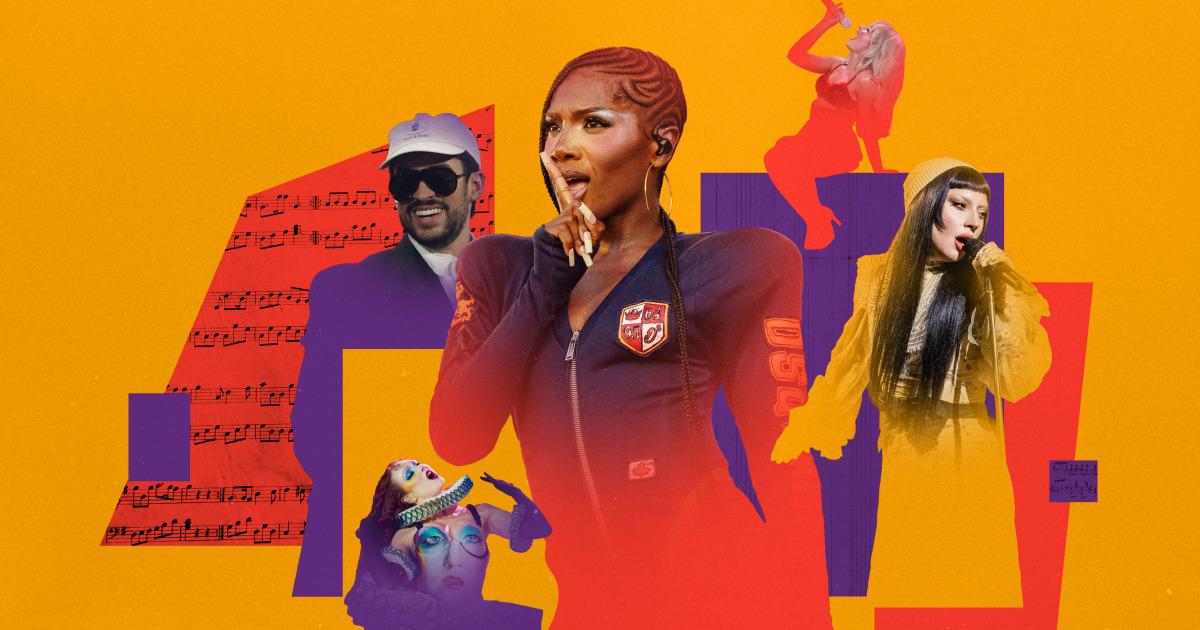
Bad Bunny won the Grammy Award for Album of the Year at the 68th ceremony. First Spanish-language album to win the Grammy Award for Album of the Year.
5 outlets told this the same way.
Outlets did split on RJ Mitte Dies At 34 In Brownsville, Texas, Representatives Say Suicide →
Bad Bunny's Grammy milestone
Bad Bunny won Album of the Year at the 68th Annual Grammy Awards on Feb. 1, 2026, with Debí Tirar Más Fotos.
“Bad Bunny won Album of the Year at the 68th Annual Grammy Awards on Feb. 1, 2026, for Debi Tirar Mas Fotos — the first Spanish‑language album to take the top prize.”
He became the first Spanish-language album to take the top prize, edging out contenders including Kendrick Lamar and Lady Gaga.

The sixth studio album, a tribute to his Caribbean roots, had already won the Latin Grammys' Album of the Year in November 2025.
The Grammy victory further raises his profile ahead of his Feb. 8 Super Bowl halftime performance.
The milestone was widely reported, with outlets noting the historic nature of the win and the album's prior Latin Grammys recognition.
Bad Bunny immigration protest
On accepting Album of the Year, Bad Bunny dedicated the award to immigrants and used his speech to protest U.S. immigration enforcement. Reports noted he repeatedly said "ICE out" and aimed to honor "all the people who had to leave their homeland...to follow their dreams." Coverage emphasized the political overtones of the night, with outlets highlighting his outspoken criticism of ICE, his decision to skip the U.S. mainland on a recent tour for fear of immigration raids, and broader on-stage and telecast gestures against deportation policies.
Conflicting Grammy reports
Reports differ on how many Grammys Bad Bunny took home that night. The Straits Times described the win as 'one of three Grammys Bad Bunny collected that night (including Best Latin Urban Music Album).' Prothom Alo English reported the Album of the Year was 'one of five Grammys he received.'
EasternEye's summary emphasizes Kendrick Lamar as the night's most decorated artist with five awards. This conflicts with Prothom Alo's count for Bad Bunny and suggests disagreement in the factual record reported by outlets.
Cultural reactions to win
The win intersected with wider cultural flashpoints. The Straits Times and Prothom Alo English noted the Super Bowl halftime booking and subsequent controversy, including criticism from former President Donald Trump.
Prothom Alo also described telecast-wide political gestures, such as attendees wearing "ICE Out" buttons and other tributes to immigrant stories. EasternEye framed the night as a sign of the Academy’s evolving tastes—genre-blending pop, rap dominance and global Spanish-language music—and gave less attention to the political activism reported by the Asian outlets.
Media framing of Bad Bunny
Taken together, coverage from these sources highlights both the cultural importance of Bad Bunny's win and the divergent lenses applied by different outlets. EasternEye (Western mainstream) frames the result as part of the Grammys' musical evolution toward genre-blending and global recognition. The Straits Times and Prothom Alo English (both Asian) emphasize the political symbolism, including his dedication to immigrants, protest against ICE, and the Super Bowl controversy.
“Their wins highlighted the Academy’s growing embrace of genre-blending pop, rap dominance, and global Spanish-language music.”
Where details conflict, such as the number of Grammys he won that night, the sources themselves disagree. That discrepancy should be resolved by consulting the official Grammy records.