Asia14 February, 20264 min read
Bangladesh Nationalist Party Wins Big in Pivotal Election
This article is an automated aggregation of coverage from news outlets. Our editorials offer in-depth analysis curated by the NewsCord team.
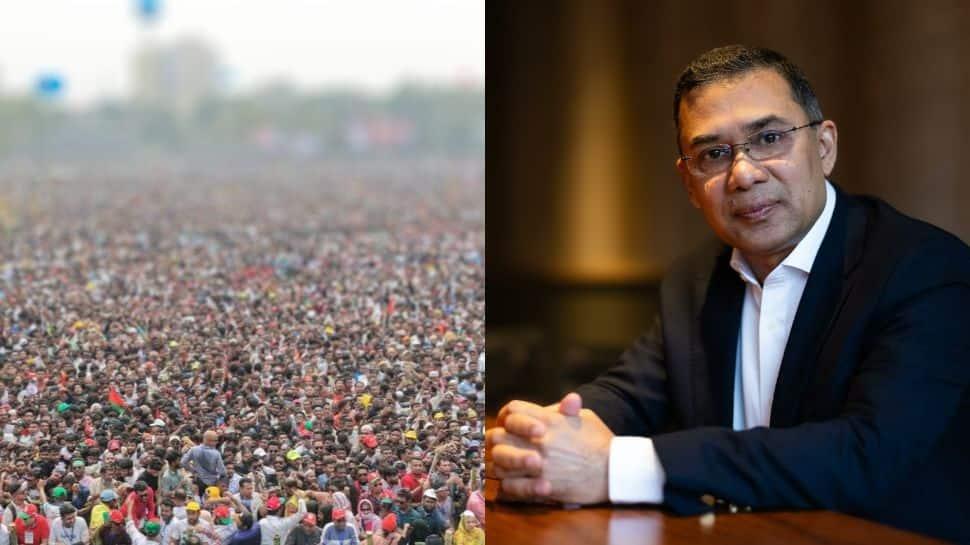
BNP-led alliance won at least 212 of 299 seats, securing a two-thirds parliamentary majority Tarique Rahman is poised to become prime minister after the BNP victory
38 outlets told this the same way.
Outlets did split on Avalanche Strikes Himlung Himal Base Camp In Nepal, At Least 10 Missing →
Bangladesh election results
The Bangladesh Nationalist Party (BNP) won a decisive landslide in the 13th parliamentary election, taking well above the simple majority and reaching what multiple outlets describe as a two‑thirds majority that clears the way for Tarique Rahman to become prime minister. Official and media tallies vary, but several sources report the BNP and its allies at roughly 209–213 seats out of around 299–300 contested seats. Al Jazeera said the BNP and its allies "have at least 212 of 299 seats—clearing the way for Tarique Rahman to become prime minister," while CNBC reported a "two‑thirds majority with at least 212 of 299 seats reported," and The Hindu reported a 212‑seat total and two‑thirds majority.
“BNP and its allies have at least 212 of 299 seats—clearing the way for Tarique Rahman to become prime minister.”
Other outlets gave close but different counts: The Financial Express cited about "209 of 297 declared seats so far," while The Hans India reported "213 of 296 declared constituencies," which creates a contradiction in reported seat totals. These tallies are widely described as enough for the BNP to form a government.

Bangladesh election context
The election took place amid the volatile political aftermath of a mass uprising that toppled Sheikh Hasina in 2024 and installed an interim government led by Nobel laureate Muhammad Yunus. Sky News described Bangladesh as "in a tense transition after a Gen Z–led uprising in July 2024 that the UN says killed about 1,400 people and toppled long‑time leader Sheikh Hasina, who is now exiled in India." Multiple accounts note Yunus served as interim head and congratulated Tarique Rahman.
AP flagged the electoral significance of young and first‑time voters, noting that "About 5 million mostly young first-time voters are seen as a potential swing force." CNBC and France24 placed the vote alongside a referendum on broad constitutional reforms supported by Yunus. This context—an ousting, an interim Nobel laureate government, and a large youth electorate—appears throughout reporting and is central to how outlets frame the election’s stakes.

Election results and disputes
The election’s political map shows a strengthened role for religiously oriented parties and new entrants. Multiple outlets reported Jamaat-e-Islami and allied lists won dozens of seats: Al Jazeera and The Hindu put the Jamaat-led alliance at about 77 seats, while The Assam Tribune and Hindustan Times cited figures in the high 60s to mid-70s. Prothom Alo and The Financial Express reported wins for the National Citizen Party and other newcomers.
“Jamaat-e-Islami accepted the overall outcome while alleging counting problems.”
Several sources recorded complaints about parts of the count, with The Indian Express and India Today relaying allegations from Jamaat and BNP allies of 'suspicious tallies' and 'inconsistencies'. Al Jazeera and France24 noted that Jamaat 'accepted the overall outcome' even as it alleged counting problems. The Awami League, the ousted party of Sheikh Hasina, was barred from political activity and many of its supporters were urged to boycott the vote, a detail reported across outlets and central to opposition gains.
National Charter referendum
A referendum held alongside the parliamentary contest on a broad 'National Charter' of reforms was widely reported as passing and is linked by several outlets to the political transition. France 24 said voters approved a Yunus-backed referendum on broad democratic reforms, including term limits for prime ministers, a new upper house, stronger presidential powers and greater judicial independence. AP described detailed mechanisms for constitutional changes, including a reform council and a move toward a bicameral legislature.
CNBC reported broadcaster figures showing the referendum produced more than 2 million 'Yes' votes versus about 850,000 'No.' Reporting styles differ, but the referendum results are presented across sources as a mandate for sweeping institutional changes that the incoming BNP-led Parliament will inherit and implement.
Incoming BNP government coverage
Looking ahead, coverage underscores both opportunity and risk for the incoming BNP government. Outlets note international reactions of congratulations alongside warnings about the uphill tasks of economic recovery, law and order, and reconciling a polarized polity. The Financial Express warned the BNP faces immediate challenges "restoring law and order and reviving a weakened economy."
“BNP said it will not hold victory rallies and called for nationwide prayers.”
BBC reported "mixed" international reactions and the need for political reconciliation. The Hindu cited EU observers calling the polls "credible and competently managed." Domestically, the BNP urged restraint.
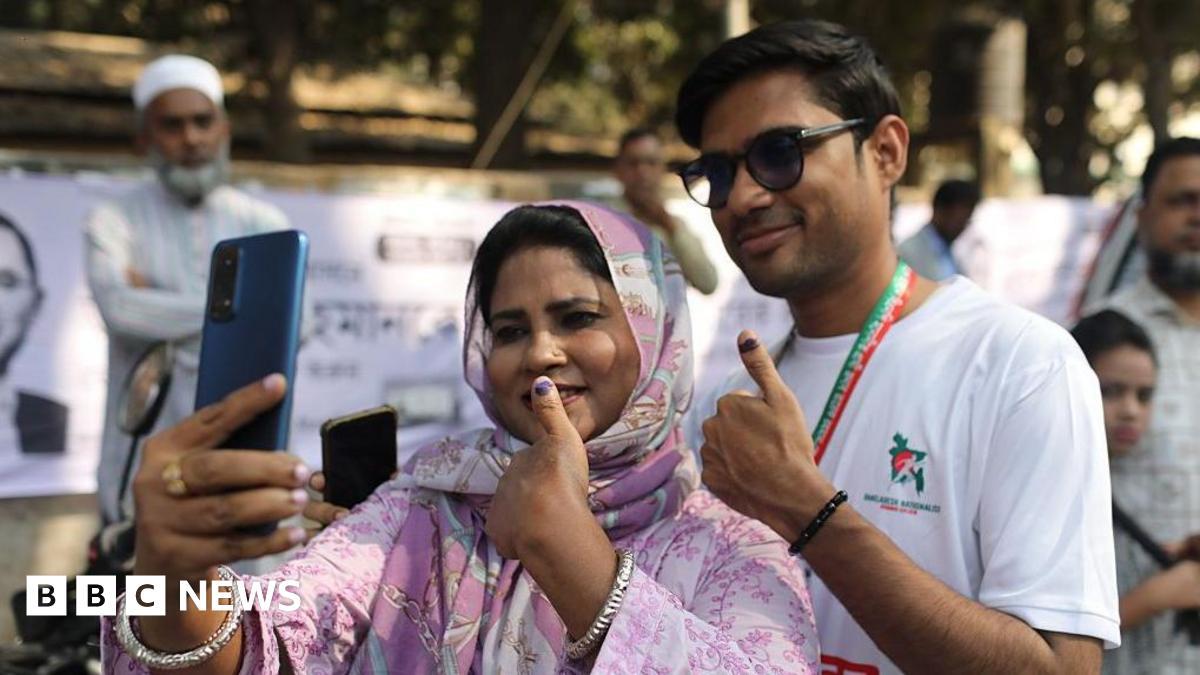
CNBC reported the party "said it will not hold victory rallies and called for nationwide prayers," a point echoed by Hindustan Times. Analysts across sources stressed the scale of the mandate and questioned inclusion of women and minorities in the new parliament, a point The Hindu and BBC highlighted. These varied emphases show how source types shape the near-term narrative.
Western mainstream outlets foreground procedural credibility and international reaction. Regional Asian outlets stress domestic political shifts and seat math. Local English-language Bangladeshi sources highlight constituency details and new entrants.