Protests17 October, 20252 min read
Bangladesh Police Attack Protesters Outside Parliament Over Political Charter
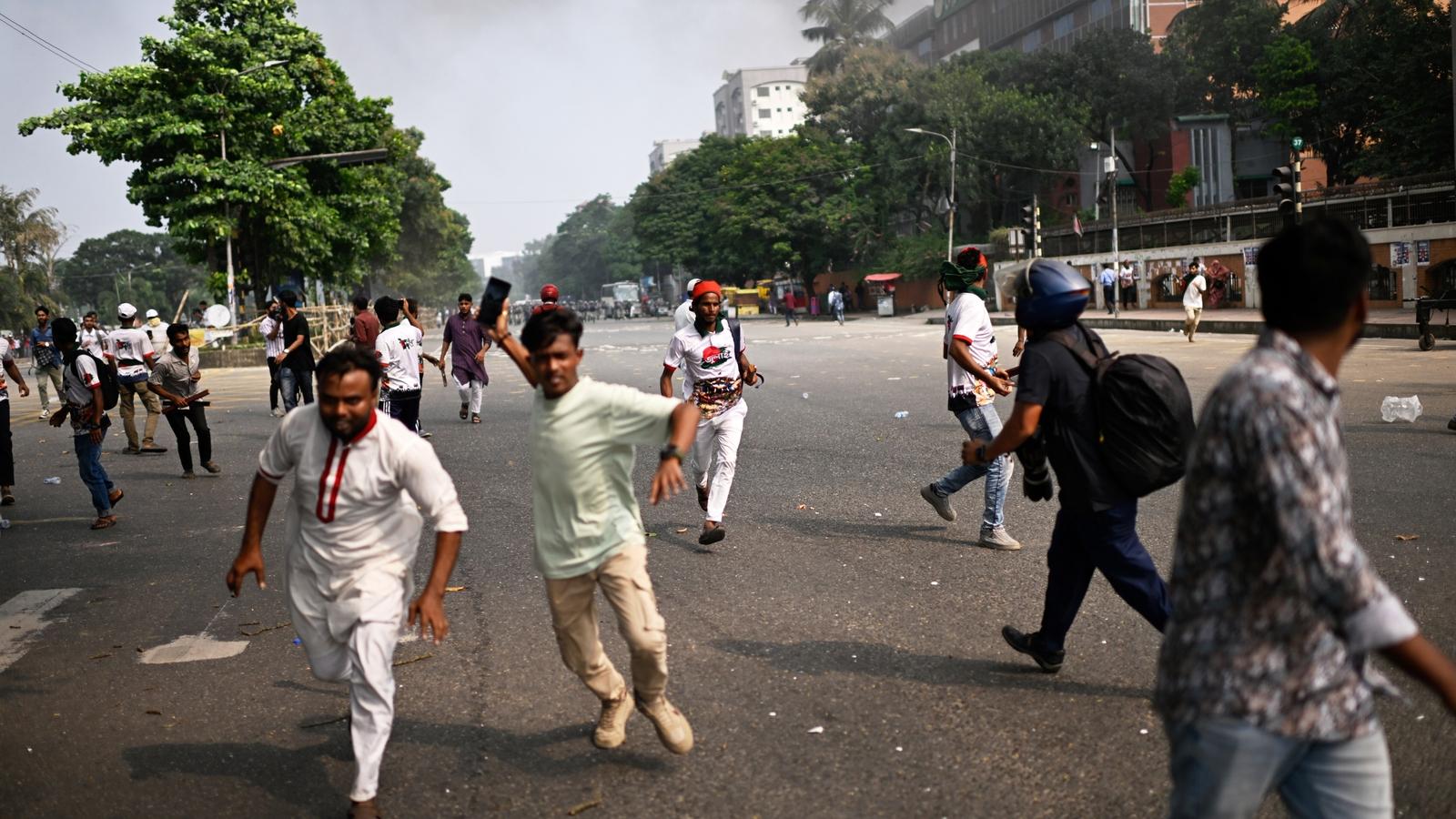
Police used tear gas, stun grenades, and batons to disperse protesters outside Parliament. Protesters vandalized police vehicles and tents while demanding recognition for July Uprising activists.

15 outlets told this the same way.
Outlets did split on France Suspends Police Stun Grenades at High School Protests After 15-Year-Old Loses Hand →
Protests During Political Charter Signing
Several hundred protesters clashed with police outside Bangladesh’s national Parliament in Dhaka during the signing of the July National Charter. Officers deployed tear gas, stun/sound grenades, and batons amid reports of injuries and property damage. Multiple outlets describe vandalism, including damage to police vehicles, as confrontations escalated at the Parliament’s South Plaza.
“Major political parties in Bangladesh have signed a roadmap for political reforms proposed by the interim government... several hundred protesters clashed with police... Police responded with tear gas, stun grenades, and batons... resulting in injuries and some vandalism, including damage to a police vehicle.”
The unrest unfolded as major political parties signed what some outlets call a roadmap for political reforms. Others frame it as the newly signed July National Charter aimed at post-uprising democratic change following the ouster of former Prime Minister Sheikh Hasina.

Protests and Demonstrators' Demands
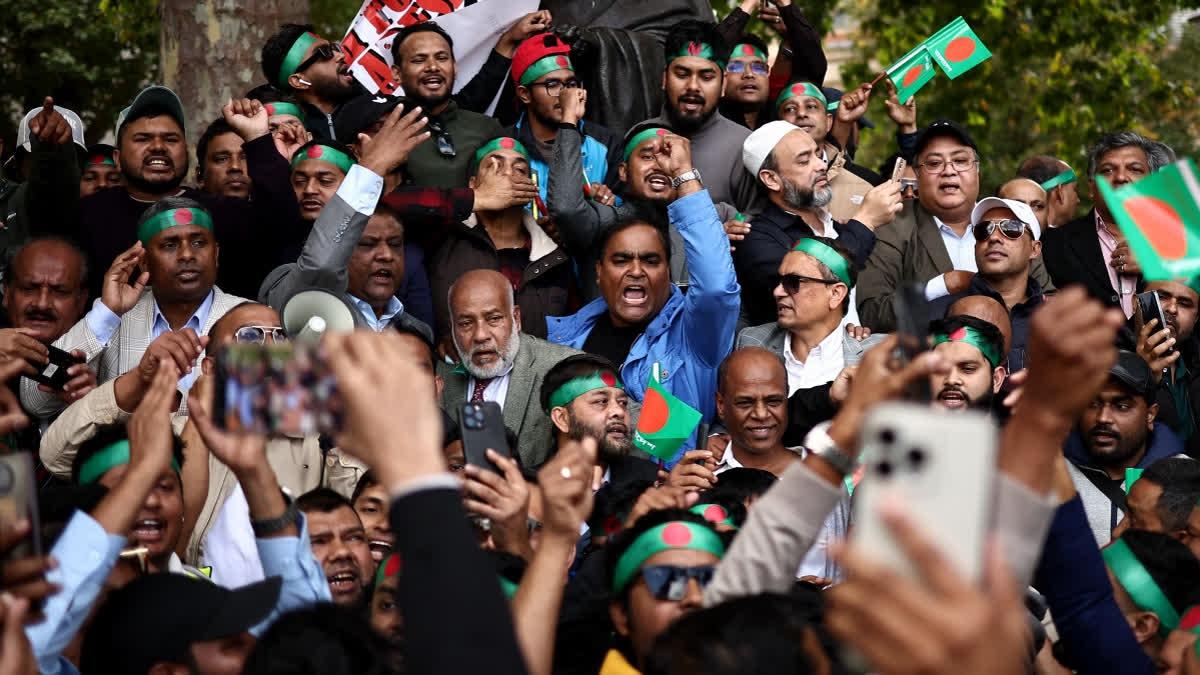
Multiple Asian and West Asian outlets report that the demonstrators included families and participants from last year’s mass uprising that toppled the Awami League. The protesters demanded recognition, legal protection, and rehabilitation. Some reports indicate that protesters felt excluded from the interim government’s charter and believed their concerns were ignored.
This sense of exclusion prompted sit-ins that led to a police crackdown. Accounts also mention a prior night’s occupation of guest chairs near Parliament. Many protesters reportedly lost loved ones during the unrest that removed Sheikh Hasina.

Overview of National Charter
The interim administration led by Nobel laureate Muhammad Yunus presented the July National Charter to guide political reforms. Major parties such as the Bangladesh Nationalist Party and religious groups, including Jamaat-e-Islami, signed the charter. Several left-wing parties and a student-led party abstained from endorsing the document.
“The interim administration, led by Nobel laureate Muhammad Yunus, unveiled the 'July National Charter,' a plan for constitutional and legislative reforms... Major parties... signed the charter, while some left-wing parties and a student group abstained.”
One party, named by The Hindu as the National Citizen Party (NCP), refused to endorse the charter. Some sources describe the document as a reform roadmap, while others emphasize it as a sweeping charter formed after extensive consultations.
Governance Charter Controversies
The Hindu reports that the charter includes over 80 governance recommendations. After pressure, the commission amended the charter to indemnify 'July fighters' and label the Awami League as 'fascist.' The BNP and legal experts warned that the charter could create constitutional contradictions by potentially overriding the constitution.
ETV Bharat adds that Hasina’s Awami League has not participated in the process. It also notes that Hasina is in exile and facing trial in absentia. Yunus has pledged to hold elections in February.
Western mainstream outlets focus more on the clashes and the reform roadmap. These outlets provide less detail on indemnities, labels, or constitutional risks.
Perspectives on Bangladesh Charter
Supporters of the charter in Asian and Western mainstream sources portray it as the beginning of a 'new Bangladesh.' The Independent and The Indian Express quote Muhammad Yunus describing the signings as the start of a new Bangladesh. Other coverage stresses unresolved grievances and rising risks.
“Yunus described the signings as the beginning of a new Bangladesh.”
The Federal warns of ongoing political tensions following the student-led uprisings. ETV Bharat raises questions about the inclusiveness of planned February elections without the participation of the Awami League. Washington Post and KVUE maintain a neutral, concise focus on the reform roadmap and clashes.